
- HF RFID supports identification at defined manufacturing read points, while UHF RFID can track goods over longer distances and read multiple tags.
- Turck RFID interfaces connect readers to controllers through protocols including PROFINET, EtherNet/IP, and Modbus TCP.
- Sensors and decentralized controls support conveyor automation, product inspection, and monitoring of equipment condition.
- TAS provides device commissioning and diagnostics, local data processing, and cloud-based visualization and alerts.
A workpiece reaches the next production station, a forklift transports a pallet through the warehouse, and unusual vibrations are detected in a motor. These processes involve various tasks within industrial automation.
Turck offers RFID technology, decentralized control systems, industrial sensors, and wireless solutions for these applications. The Turck Automation Suite (TAS) complements the portfolio with tools for configuration, operation, diagnostics, and condition monitoring.
When a Machine Knows Which Workpiece Has Arrived
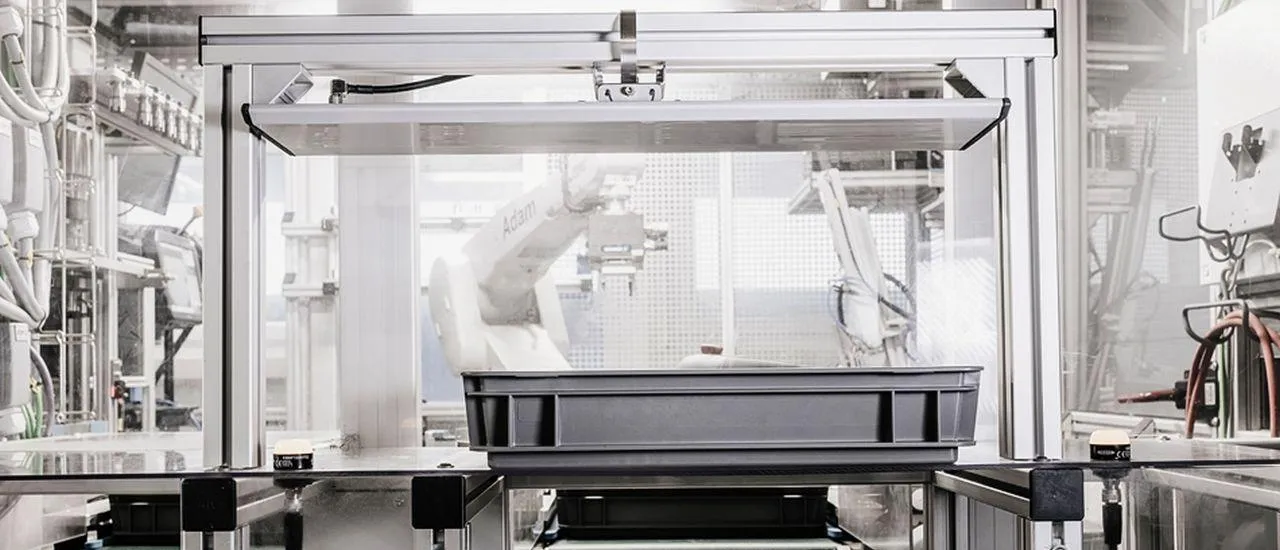
A workpiece carrier enters a machining station. Even before the machine begins its work, an RFID reader captures the carrier’s identifier. Based on this identifier, the controller can determine which component has arrived and which manufacturing step is next. It compares the information with the stored production data, authorizes the machining process, and can then document the result. Depending on the application, new information is written to the RFID tag or stored in the Manufacturing Execution System (MES).
The benefits become apparent during operation: workpieces can be assigned to their respective orders, processing steps can be tracked, and different product variants can be manufactured on the same line. RFID establishes the link between the physical object and the information required for automated production. The control software determines which decision the machine makes.
Turck addresses such tasks with HF and UHF RFID systems. HF RFID is particularly well-suited for the reliable identification of workpieces at defined read positions in manufacturing. UHF RFID enables the automatic identification and tracking of goods, workpieces, and load carriers over longer distances.
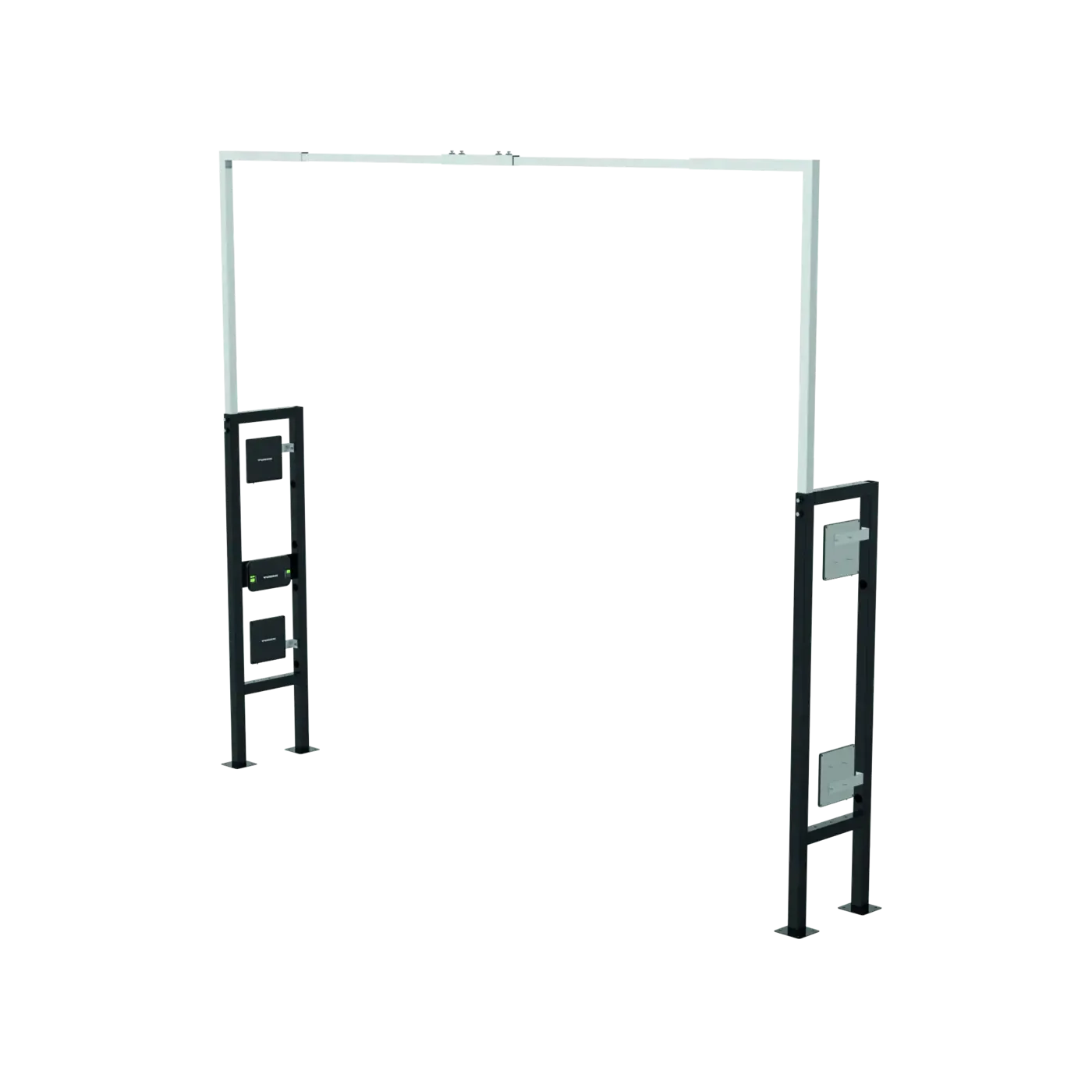
Since numerous RFID tags can be read simultaneously, the technology is used, for example, in incoming goods inspections, at RFID gates, and for material tracking in production and logistics processes.
How RFID Data Supports Production Control
To enable a machine to use RFID information, the read heads are connected to the system controller via RFID interfaces. The interfaces receive the read data and transmit it to the controller via industrial network protocols such as PROFINET, EtherNet/IP, or Modbus TCP.
Conversely, they forward control commands to the read heads, for example, to store new information on an RFID tag. Turck offers compact RFID interfaces from the TBEN family as well as modular solutions such as the BL20 and BL67 for this purpose.
The information stored on the RFID tag depends on the manufacturing process. Some systems use only a unique identifier, through which the MES provides the associated orders, processing steps, and inspection results. In other applications, the RFID tag itself carries production information that is read and updated during manufacturing.
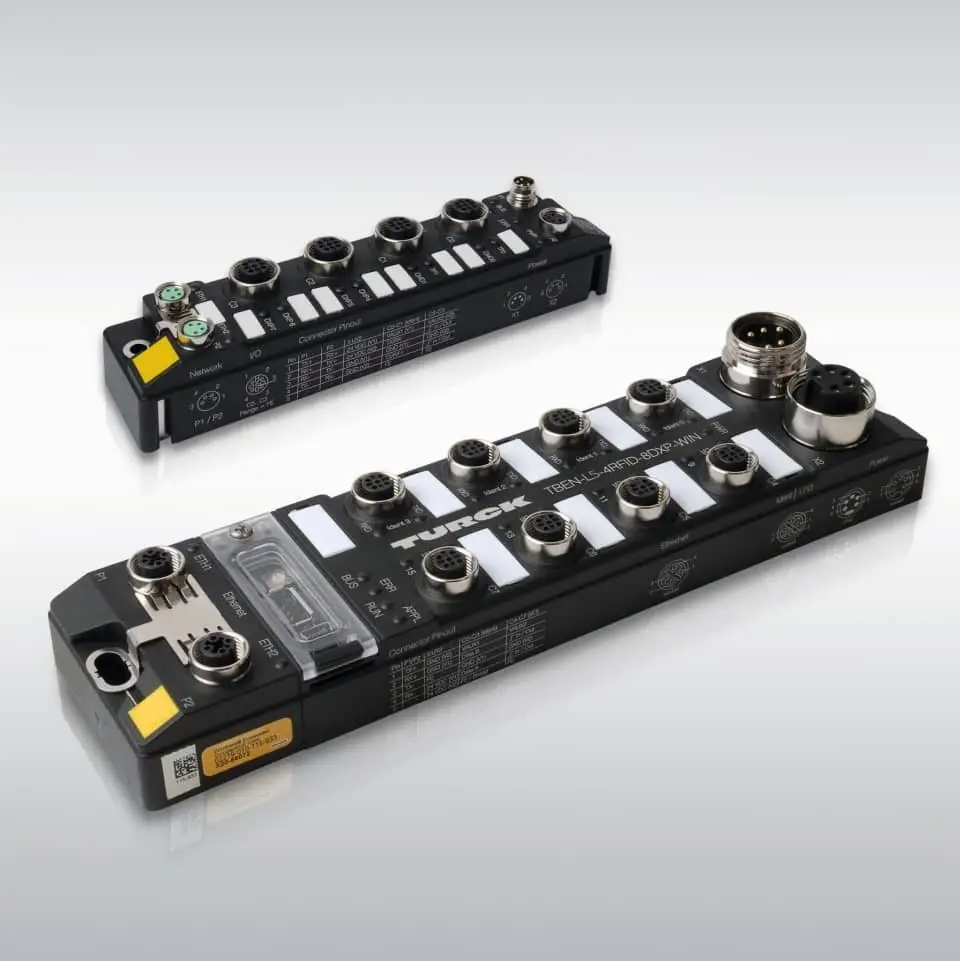

RFID Interfaces HF/UHF
Turck’s RFID interfaces offer compact, multiprotocol solutions for efficient HF and UHF integration in industrial environments.
Making Material Movements Traceable
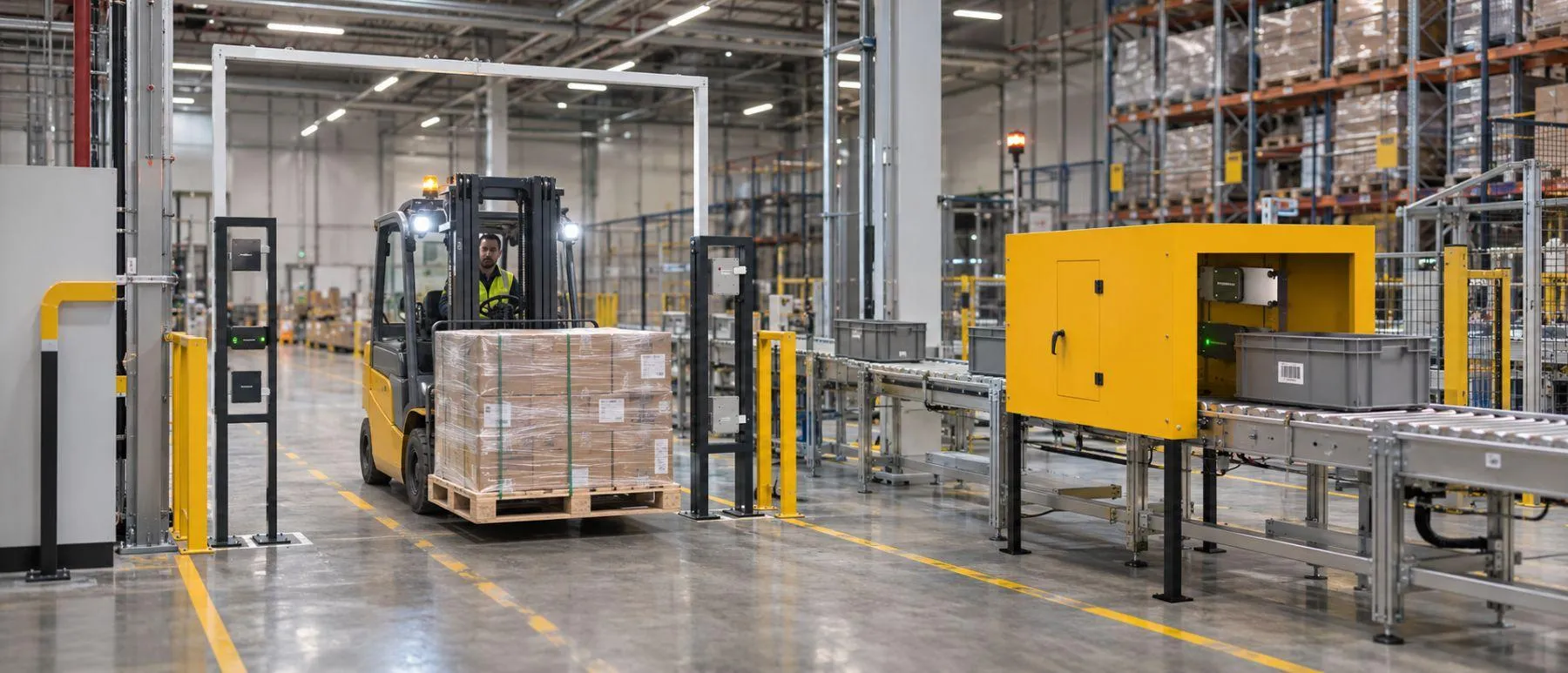
What begins at the processing station with a single workpiece continues in logistics with entire flows of goods. Pallets pass through the receiving area, containers move along conveyor lines, and forklifts transport goods between warehouse and production areas. RFID makes it possible to automatically record these movements and immediately make the information available for inventory management and material flow control.
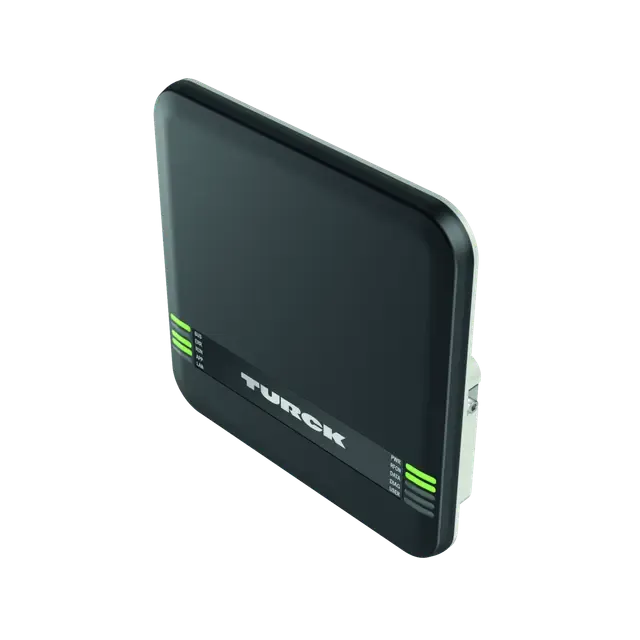
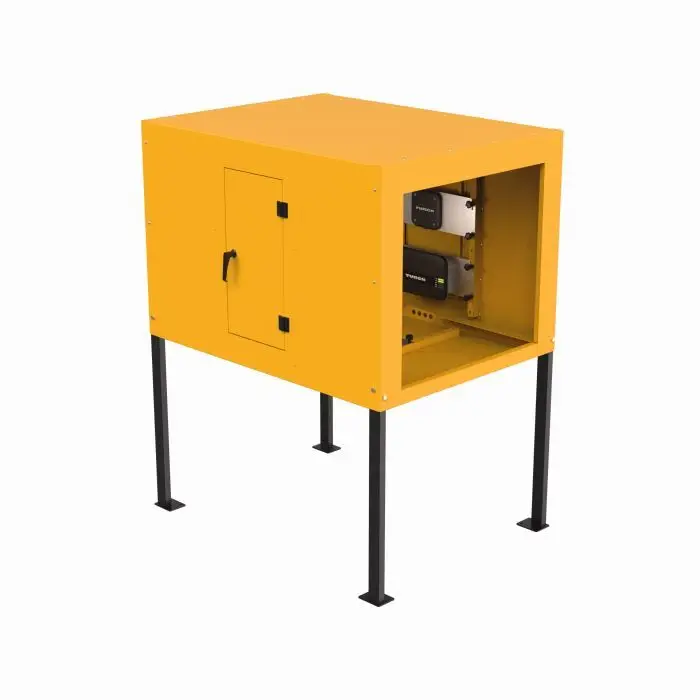
Turck offers UHF RFID readers, antennas, and pre-assembled RFID gate and tunnel solutions for this purpose. For large-scale tracking applications, Turck Vilant Systems complements the portfolio with specialized software that maps RFID read events to specific goods movements and transfers the information to existing logistics and production systems. This also includes RFID solutions for forklifts, which can be used to automatically document internal transport operations.
Related Hardware

How Turck Automates Entire Conveyor Lines
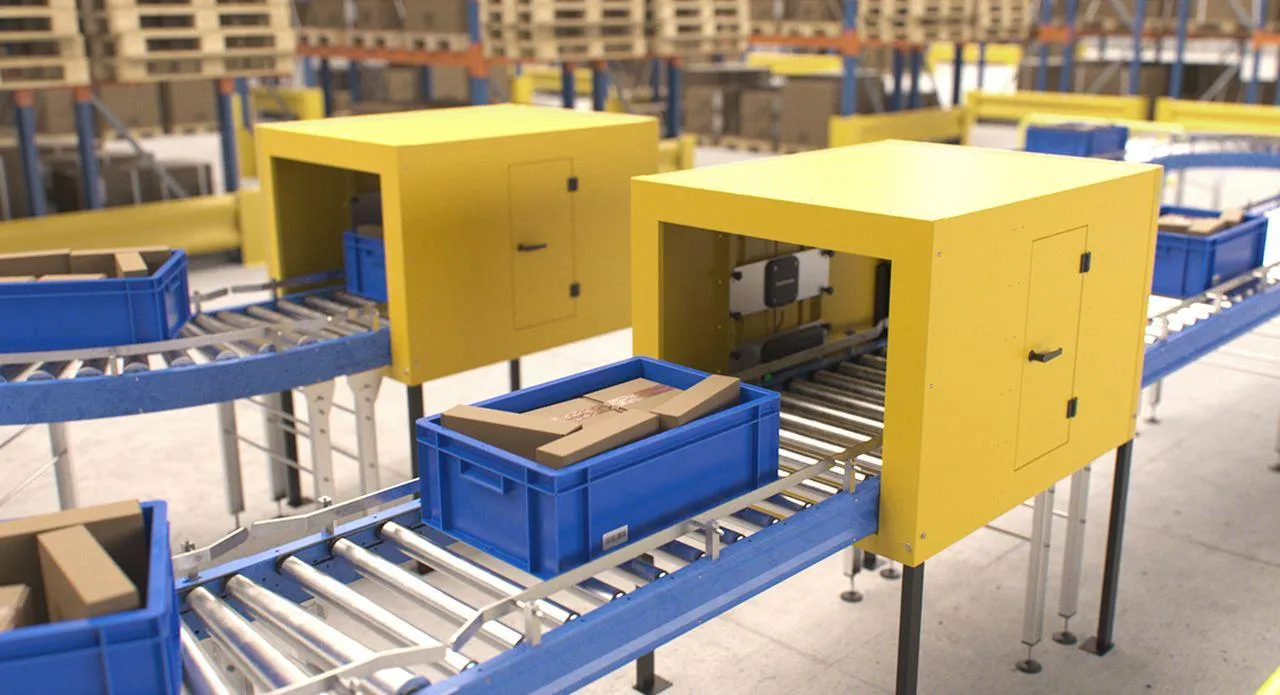
The identification of goods and containers is only one part of conveyor technology. Transported goods must also be moved, inspected, and routed to the correct stations. The Digital Conveyor Lines concept—which the company plans to present at SPS 2026 in Nuremberg—demonstrates how Turck implements these tasks using decentralized automation technology.
In such a modular conveyor system, RFID identifies the transport containers while sensors detect their position. Decentralized roller motor controllers, such as the TBEN-LL-4RMC, control up to four CAN roller motors and process additional sensor and actuator signals. Decentralized control facilitates the modular design of conveyor lines, as motors and sensors can be connected directly to the respective segments.
With the TIV-AI camera, Turck also offers industrial image processing that enables the automatic inspection of defined product characteristics. Operating data from the roller motors—such as current consumption and runtime—provide additional information about the condition of the conveyor system.
What Machines Reveal About Their Condition
Unusual vibrations, rising temperatures, or changes in pressure values can serve as early indicators of wear or malfunctions. Condition monitoring allows such changes to be continuously recorded and evaluated, enabling more targeted planning of maintenance measures and helping to prevent unplanned downtime.
Turck offers various sensor solutions for this purpose. CMVT sensors monitor vibrations and temperatures on motors, pumps, or gearboxes. CMMT sensors detect changes in magnetic fields and temperatures, while CMTH sensors measure temperature and humidity. For detailed vibration analysis, the CMVT-M8TE also provides raw acceleration data.
Depending on the model, the sensors can be connected to controllers and monitoring systems via IO-Link, digital outputs, or other industrial interfaces.
Wireless Technology Delivers Measurements from Remote Locations
When measurement points are far away or difficult to access, installing additional cables can be time-consuming. This is where industrial wireless technology opens up new possibilities.
With the DX80, Turck offers a system consisting of battery-powered wireless nodes and gateways. The nodes receive signals from connected sensors and transmit them via a proprietary 2.4-GHz wireless connection. Depending on the device model and installation conditions, Turck specifies ranges of up to 3.2 kilometers.
A solution for monitoring storage rooms demonstrates how the data finds its way into a monitoring application. An M12MFTH sensor measures temperature and humidity. A DX80 wireless node sends the values to a DX80 gateway, which forwards them via Modbus RTU to a TX800M IoT gateway.
The information is then transmitted to the TAS Cloud via Wi-Fi or cellular networks. There, managers can track the measured values, analyze long-term trends, and receive notifications when thresholds are exceeded. Additional measurement points can be integrated using further wireless nodes without having to run new data cables throughout the entire warehouse area.
TAS Makes Devices and Measurement Data More Accessible
Anyone setting up RFID reading stations or installing additional sensors must configure devices, verify their functionality, and make measurement data usable. Turck provides the Automation Suite for this purpose. TAS comprises several tools that handle various tasks throughout a machine’s lifecycle and in automation.
TAS Desktop supports the commissioning and diagnostics of compatible Turck devices. Users can read and write RFID tags, check the quality of data capture, and analyze UHF read zones using tools such as Tag Trace or Tag Population.
Additional components are available for the ongoing monitoring of industrial data. TAS Edge enables the local processing and provision of process and status data. TAS Cloud provides dashboards, historical trends, and alerts.
Which TAS functions are most useful depends on the application. For an RFID manufacturing station, TAS Desktop primarily assists with configuration and troubleshooting; production control and the MES handle the actual manufacturing orders. In wireless temperature monitoring, on the other hand, the display of measured values and alarm notifications in TAS Cloud may take center stage.
Greater Transparency, Better Control, More Possibilities
When machines recognize which workpiece is in front of them, material movements are automatically documented, and sensors make changes in plant operations visible early on, new opportunities for more efficient production arise. Manufacturing processes can be controlled more precisely, material flows tracked more reliably, and maintenance measures planned more proactively.
Turck provides a broad spectrum of industrial automation technologies for this purpose—ranging from RFID and decentralized control technology to intelligent sensor systems and wireless solutions, all the way to data analysis with TAS.
The strength of this portfolio lies in its versatility: Companies can optimize individual processes, modernize existing systems, or develop new automation concepts. In this way, industrial technology translates into tangible progress for production, logistics, and maintenance.