
- RFID identification data is transmitted over existing CAN infrastructures such as CANopen and SAE J1939.
- CANopen is commonly used in mechanical engineering, SAE J1939 in commercial and agricultural vehicles.
- Long RFID identifiers are segmented across multiple CAN messages due to payload size limits.
- Cybersecurity enhancements such as Secure Boot and cryptographic authentication are essential for RFID-CAN systems.
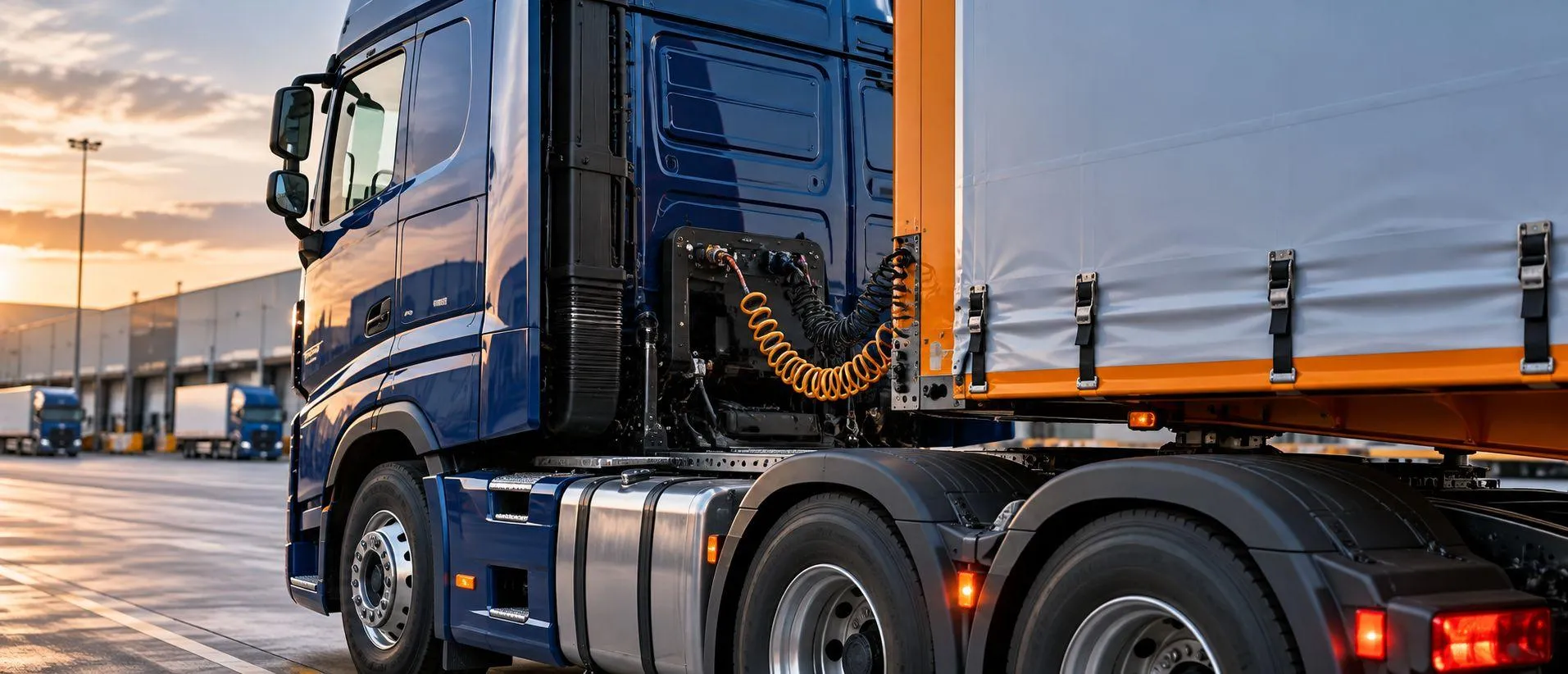
Whether it’s a waste container, an attachment, or a driver: RFID provides identification data that is transmitted directly to machine control systems and telematics systems via CANopen or SAE J1939. Benjamin Pfeiffer of iDTRONIC explains the technical integration, typical applications, and the growing importance of cybersecurity.
A garbage truck recognizes the waste container during emptying. An excavator identifies its bucket and can select the appropriate operating parameters. An industrial truck uses RFID to verify whether the person at the controls is authorized to operate it. In all three cases, simply reading a transponder number is not enough: the information must be transmitted to the vehicle’s electronics and processed there.
The CAN bus (Controller Area Network), which is used in commercial vehicles and mobile machinery for communication between control units, is well-suited for this purpose. Benjamin Pfeiffer, responsible for RFID & IoT sales at iDTRONIC, explains how RFID is integrated into these networks and what manufacturers and system integrators need to keep in mind.
RFID as a Device in an Existing CAN Network
A key advantage is the use of the existing CAN infrastructure. Instead of an additional communication system, the RFID reader utilizes the existing network. This reduces the number of interfaces and allows identification data to be processed alongside other vehicle signals. CAN is also designed to withstand typical stresses in the vehicle environment, including vibrations and electromagnetic interference.
One example is container recognition in waste collection vehicles. The identifier of a trash can is captured during the unloading process and can be linked to weight, location, and a timestamp. In other applications, an RFID tag authenticates the driver and enables the activation of a machine. In agricultural and construction machinery, attachments can be identified and corresponding settings assigned.
How an RFID Identifier Becomes a CAN Message
The reader captures an identifier—typically the Electronic Product Code (EPC) for UHF RFID and often the UID for HF RFID. The information must then be converted into a message using the applicable CAN protocol.
In SAE J1939, for example, this is done via a proprietary Parameter Group Number (PGN); in CANopen, via a corresponding entry in the object directory. Neither protocol defines a standardized data field for RFID transponder identifiers from the outset. The specific data mapping must therefore be coordinated between the reader and the control unit. Since a standard CAN frame can hold only eight bytes of payload data, longer identifiers—such as a 96-bit EPC—are distributed across multiple messages.
J1939 messages are often transmitted as broadcasts; CANopen can provide data via Process Data Objects (PDO), among other methods. An on-board computer, control unit, or telematics unit receives the message and processes it according to its configuration.
“In most cases, however, it doesn’t stop at just the ID,” says Benjamin Pfeiffer. It is only when linked to values such as position, timestamp, or weight that the information becomes operationally useful. The combined data set can trigger an action or be forwarded to a backend for documentation and analysis.
CANopen and SAE J1939: Different Areas of Application
CAN primarily refers to the underlying communication technology. The protocols built on top of it define how devices exchange and interpret data. CANopen and SAE J1939 are particularly relevant for RFID integrations.
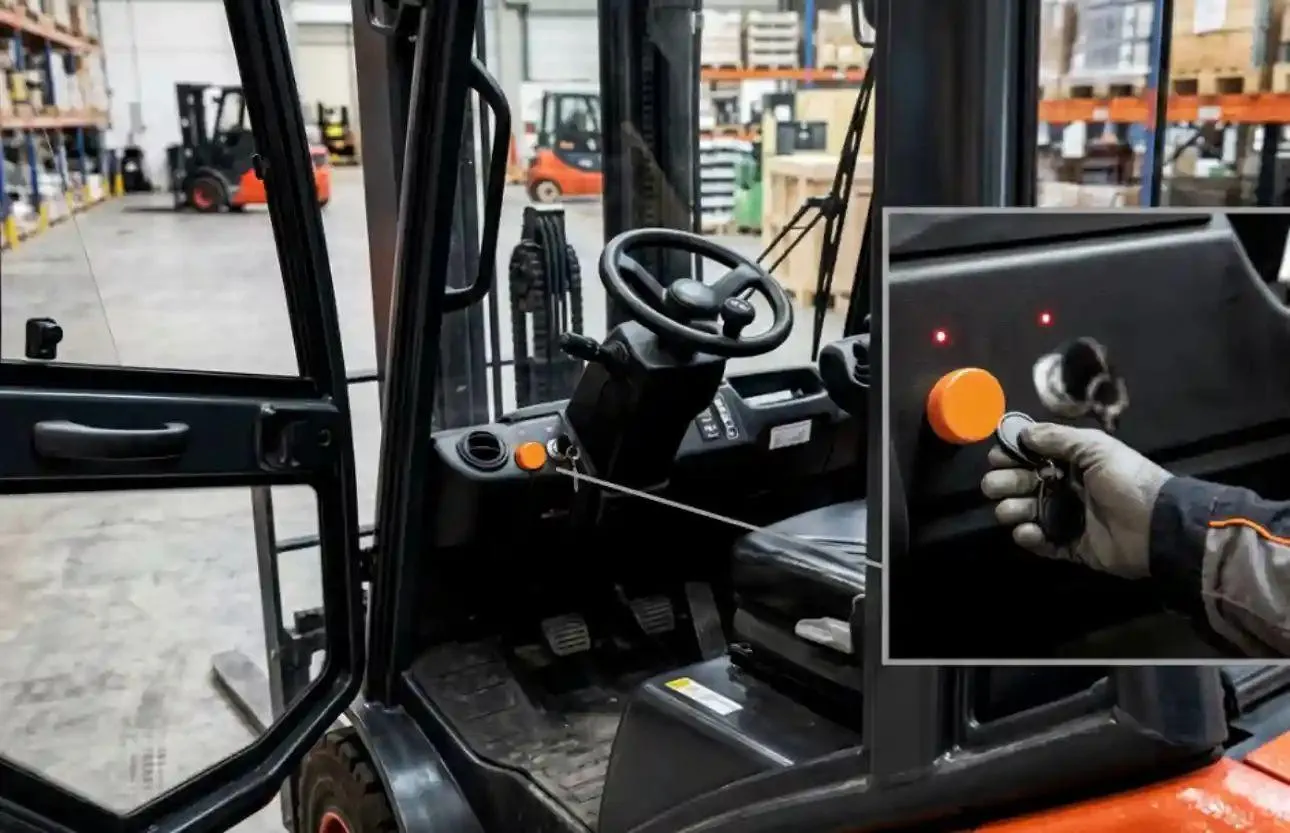
CANopen is widely used in mechanical engineering and automation. Here, the focus is often on specific identification and authorization processes: an excavator recognizes an attachment, an industrial truck checks an RFID key fob, or a control system enables or disables a function.
SAE J1939 is primarily established in commercial vehicles as well as agricultural and construction machinery; ISOBUS in agricultural technology is also based on this protocol family. It is frequently used when RFID data needs to be closely integrated with vehicle communication and telematics.
“A good example is container identification on garbage trucks. Here, the RFID identifier is not only recorded but also transmitted to the backend via the vehicle telematics system along with the GPS position, timestamp, and weight. SAE J1939 is particularly well-suited for such applications,” explains Benjamin Pfeiffer.
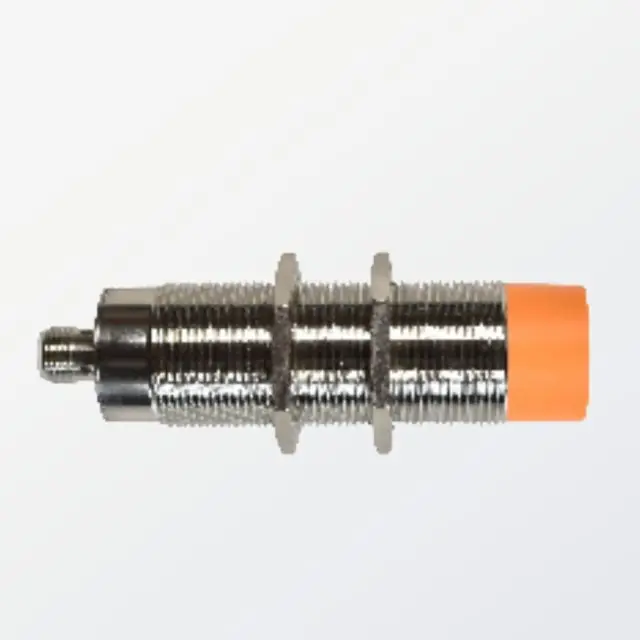
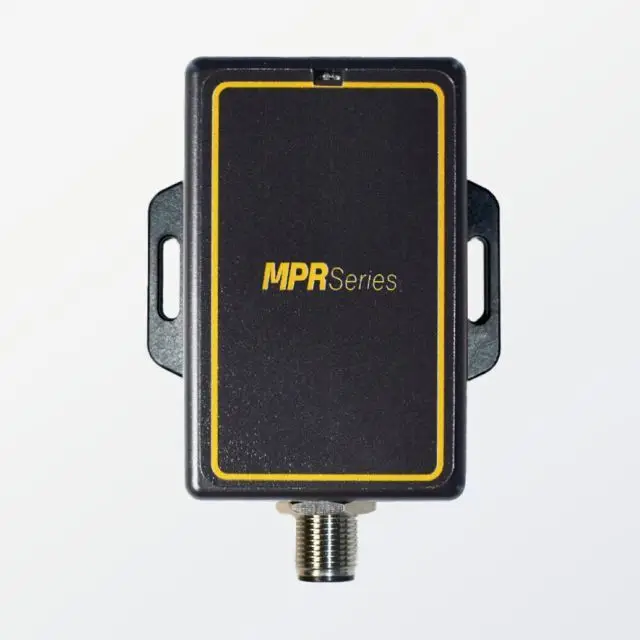
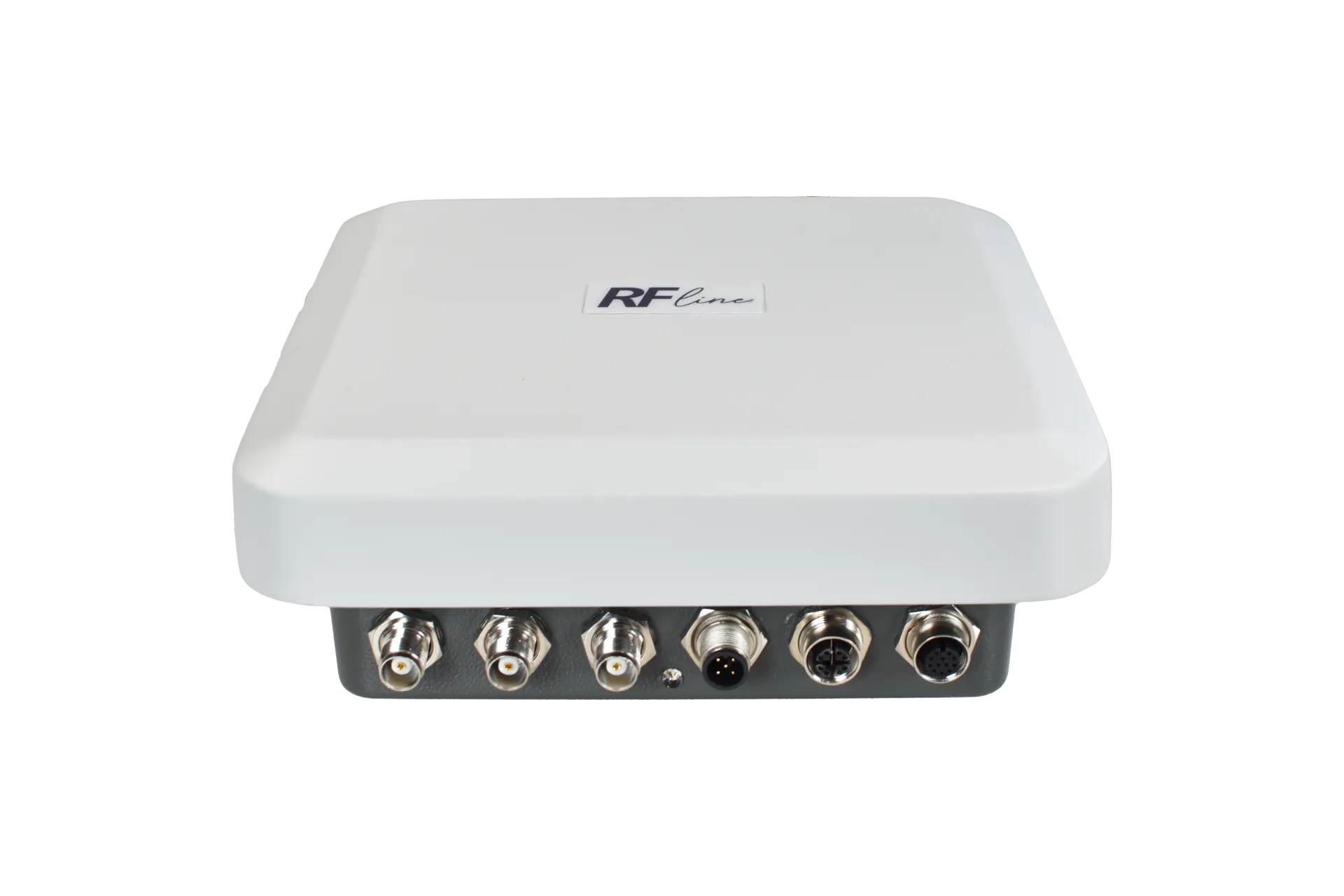
At iDTRONIC, the MPR series—available in HF and UHF versions—covers both protocol environments with CANopen and J1939 interfaces, respectively. The RFline is a UHF reader with an SAE J1939 interface and is therefore suitable for UHF-based applications in waste management. Which variant is appropriate depends on the existing architecture and the required data flow.
Related Hardware

Customized CAN Integration: Configuration Is Key
CANopen and SAE J1939 provide a standardized foundation for communication between RFID readers and machine control systems. However, how the RFID data is transmitted and processed must be tailored to the specific vehicle or machine architecture.
“Very few customers need a custom CAN protocol. In practice, we usually work with CANopen or SAE J1939 and adapt the configuration to the existing control system,” explains Benjamin Pfeiffer.
This involves, for example, specifying the address at which the reader registers on the network, the message in which it transmits the RFID identifier, and the transmission rate at which it operates. The basis for this is provided by the message and device descriptions of the existing control system, such as DBC or EDS files.
iDTRONIC implements such customizations using the Software Development Kit (SDK) and the RFID reader’s firmware. Before integration, the existing CAN bus traffic is analyzed to avoid conflicts with messages from other control units.
If necessary, hardware features such as connectors and LED functions can also be customized. For machine and vehicle manufacturers, customer-specific device designs and white-label solutions are also available.
What matters, therefore, is not only the RFID read performance, but also that the reader reliably transmits the required information in the correct format to the existing control system.
From CAN Bus Through Telematics to the Cloud
In addition to communication between control units, the CAN bus is increasingly taking on another function: providing vehicle and machine data to higher-level systems. Telematics units transmit this information to cloud platforms and fleet management systems. RFID data can also be integrated in this way.
“The CAN bus remains the backbone of communication in vehicles and mobile machinery. Through telematics, it is increasingly becoming the interface between machine control systems and IoT platforms,” explains Benjamin Pfeiffer.
CAN FD (Flexible Data Rate) opens up additional possibilities. This advanced CAN standard supports larger payload fields and higher transmission rates. This allows not only individual RFID identifiers but also more comprehensive information to be transmitted, such as sensor data, machine statuses, or the identifiers of multiple transponders.
In practice, this allows the identification of attachments, container movements, or operator authorizations to be linked with additional operational data. Via telematics, this information is transmitted to fleet management and IIoT systems, where it can be used for monitoring, documenting, and optimizing machine processes.
Cybersecurity: New Requirements for CAN-Based RFID Systems
CAN-based RFID readers are increasingly becoming part of networked machine and vehicle systems. This raises the requirements for protection against unauthorized access and data tampering. A particular challenge is that the established CANopen and SAE J1939 protocols do not provide for integrated cryptographic authentication of individual messages. In practice, this risk is mitigated, among other things, through network segmentation via gateways and plausibility checks in the control system.
With the EU Cyber Resilience Act (CRA), security requirements for products with digital components are increasing. Reporting requirements for actively exploited vulnerabilities and serious security incidents will take effect as early as September 2026. The essential cybersecurity requirements for products will become mandatory starting in December 2027. For RFID readers, the integrity of the firmware, the protection of the device configuration, and resistance to tampered CAN messages are particularly relevant.
“Secure Boot is a key component. It verifies, as soon as the device is powered on, whether the reader’s firmware is authentic and unaltered. We also take this into account in the further development of our readers,” explains Benjamin Pfeiffer.
The verification can be based on a hardware root of trust, such as a secure element with protected cryptographic keys. Firmware updates must also be secured. Digital signatures enable the verification of their authenticity and integrity. Rollback protection also prevents the device from being reset to an older firmware version that is no longer approved for security reasons.
When it comes to operator authorization, the UID alone should not be relied upon, as it can be easily copied; transponders with cryptographic authentication, such as MIFARE DESFire, offer greater protection in this regard.
Additional requirements include the documentation of security risks, a Software Bill of Materials (SBOM) to track the software components used, and defined timeframes for security updates. Since CANopen and SAE J1939 do not provide message authentication on their own, remaining risks must be assessed and appropriate protective measures implemented.
RFID as Part of Connected Machine and Vehicle Operations
The integration of RFID into CAN-based systems makes it possible to use identification data directly within machine control systems and vehicle electronics. Containers are tracked during an operation, attachments are automatically recognized, and operator authorizations are processed directly. Through telematics, this information can be linked to other operational data and transmitted to higher-level systems.
CANopen and SAE J1939 provide established communication protocols for this purpose. Key to successful implementation are coordination with the existing control architecture, proper configuration of the RFID readers, and consideration of the relevant safety requirements.
“Whether it’s container identification, attachment recognition, or operator authentication—every machine and vehicle architecture has its own specific requirements. It’s best if we discuss directly which processes you’d like to implement with RFID and how the readers can be integrated into your existing CAN bus environment. Together, we’ll clarify the technical details and find the right solution—on-site if needed,” says Benjamin Pfeiffer.
About the Expert
Benjamin Pfeiffer works in sales for RFID & IoT at iDTRONIC. His work focuses on RFID solutions for industrial applications and their integration into machine and vehicle systems.