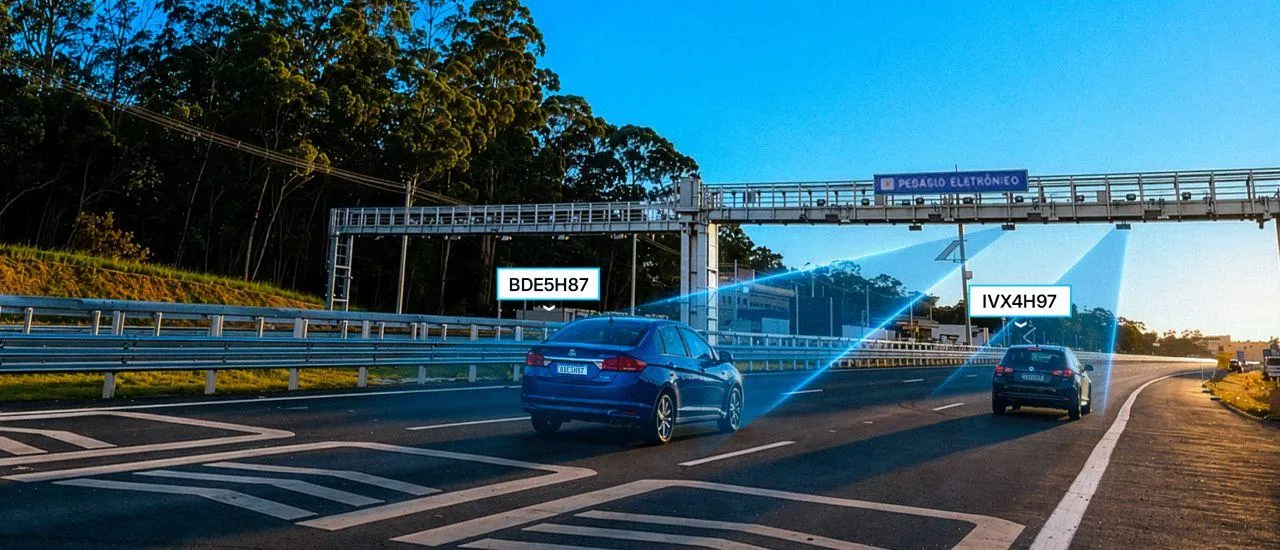

- The Rodoanel Norte highway uses a multi-lane free-flow tolling system combining RFID, cameras, and laser sensors for seamless toll collection.
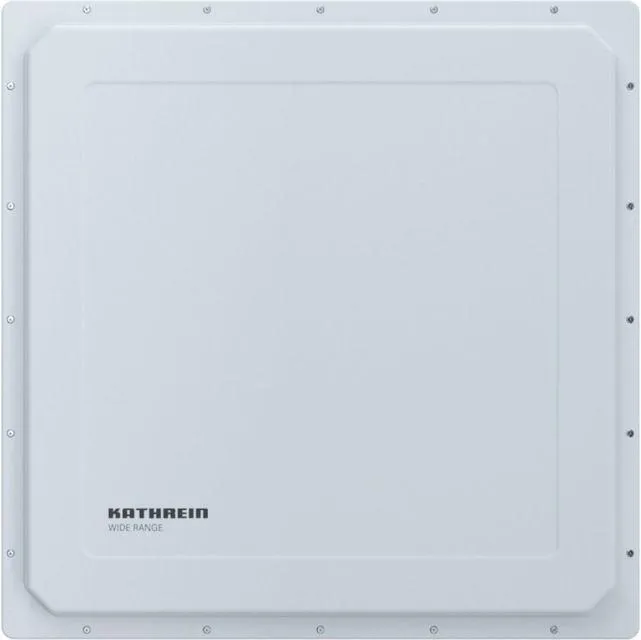
- KATHREIN RRU 7800 RFID readers and WideRange 40° PRO antennas support vehicle identification in motion according to Brazilian and international standards.
- Combining RFID and automatic number plate recognition enables toll payments for both tagged and untagged vehicles through the same infrastructure.
- The system integrates vehicle classification based on axle counts and configurations to accurately categorize toll charges, critical for heavy commercial traffic.
Vehicles pass through electronic tolling gantries without stopping for payment. On Brazil’s Rodoanel Norte highway, KATHREIN Solutions and Italian ITS specialist Movyon combine UHF RFID identification with cameras, laser sensors and automated vehicle classification to enable barrier-free toll collection across multiple lanes.
São Paulo's Rodoanel Norte is one of Brazil's major highway infrastructure projects. Its first 24-kilometer section opened to traffic in December 2025, introducing a multi-lane free-flow (MLFF) tolling system that identifies vehicles and processes toll transactions without conventional payment booths.
The system was implemented by Italian Intelligent Transportation Systems (ITS) specialist Movyon for highway concessionaire Via SP Serra, part of Via Appia. German manufacturer KATHREIN Solutions supplied the RFID hardware, including RRU 7800 readers and WideRange 40° PRO antennas. The installation demonstrates how UHF RFID supports automated vehicle identification when integrated with camera-based recognition, traffic monitoring and digital toll processing.
Rodoanel Norte Connects São Paulo's Major Highways
The Rodoanel Mário Covas forms a highway ring around the São Paulo metropolitan region. Its northern section is designed to connect major transport corridors, relieve congestion on urban roads and improve freight transport between industrial and logistics centers. The complete Rodoanel Norte extends approximately 44 kilometers and represents an investment of around 3.4 billion Brazilian reais.
The first 24-kilometer section, connecting the Presidente Dutra and Fernão Dias highways, was inaugurated on December 22, 2025, and opened to traffic the following day. During its first month of operation, the highway recorded an average of approximately 15,000 vehicles per day, according to São Paulo's transport regulator ARTESP. Trucks accounted for around 35 percent of traffic.
This substantial share of commercial vehicles makes reliable identification and classification particularly important. Passenger cars, delivery vehicles and multi-axle trucks must all be processed while traffic continues through the tolling area.
How RFID and Free-Flow Tolling Work Together
Unlike conventional toll stations, multi-lane free-flow systems use electronic equipment installed on gantries above the roadway. Vehicles pass through the detection area without stopping at barriers or entering dedicated payment lanes.
Movyon's solution combines several technologies:
RFID identification: KATHREIN readers detect compatible electronic vehicle transponders.
Automatic number plate recognition (ANPR): Cameras identify vehicles through their registration plates.
Panoramic video tracking: Cameras monitor vehicle movements across multiple lanes.
Axle classification: Laser sensors and cameras determine vehicle configurations.
Transaction processing: Software associates identification and classification data with the corresponding toll transaction.
Each component performs a distinct function. RFID provides the vehicle's electronic identity, while cameras and sensors determine its position and classification. By combining these data sources, the system can associate each passing vehicle with the correct toll category and transaction.
Why Combine RFID with Number Plate Recognition?
The combination of RFID and automatic number plate recognition supports two complementary approaches to toll collection. RFID transponders link vehicles to electronic toll accounts, enabling automatic payment through participating service providers. Camera-based identification allows vehicles without compatible tags to use the same infrastructure and settle their tolls through the operator's payment channels.
For frequent highway users and commercial fleets, RFID simplifies recurring toll payments while providing an additional electronic identification method. Together, both technologies allow the Rodoanel Norte to serve tagged and untagged vehicles through the same barrier-free tolling infrastructure.
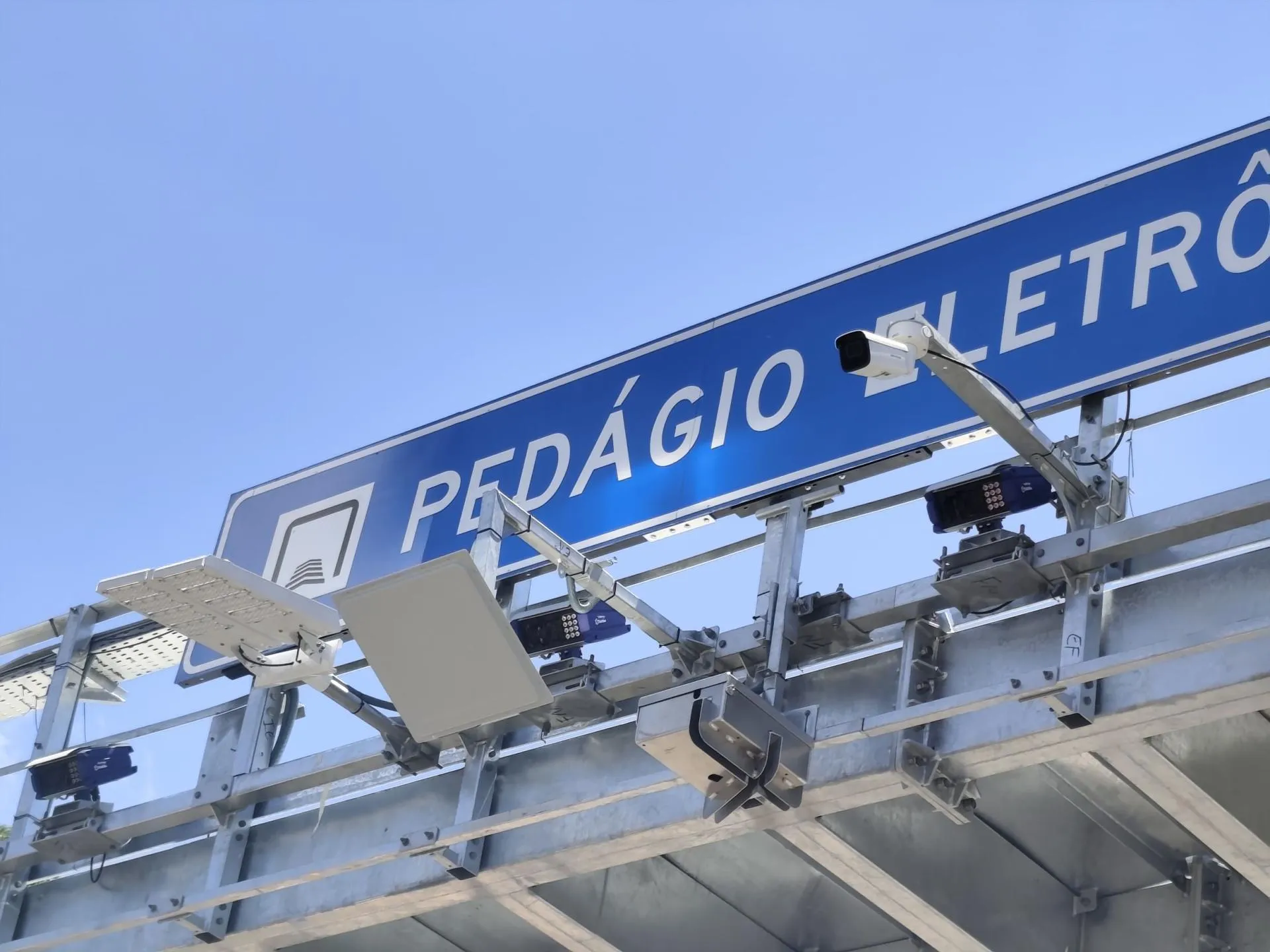
KATHREIN RRU 7800 Readers Identify Vehicles in Motion
For the Rodoanel Norte tolling system, Movyon selected KATHREIN RRU 7800 RFID readers and WideRange 40° PRO antennas. The readers support ARTEFATO SJ-5511, a specialized UHF RFID communication protocol used for electronic vehicle identification in Brazilian tolling systems. The RRU 7800 is designed for Brazil's RFID tolling infrastructure and also supports international EPC Gen2 standards.
As vehicles pass beneath the gantries, the RFID readers communicate wirelessly with compatible transponders and capture their identification data. Unlike camera-based recognition, RFID does not require an optical view of the vehicle's registration plate. The WideRange 40° PRO antennas provide the radio-frequency coverage needed to communicate with tagged vehicles in moving traffic.
The antennas' directional characteristics support the creation of defined reading zones, which is particularly relevant when multiple vehicles pass through the tolling area simultaneously. Passenger cars and heavy trucks differ in dimensions, and transponders may be positioned differently on individual vehicles. The RFID subsystem therefore operates together with Movyon's video tracking and classification technologies to associate the captured identification information with the corresponding vehicle.
This combination enables automated identification without interrupting traffic flow. The RFID hardware supplies electronic vehicle identification as part of the overall tolling system.

Cameras and Laser Sensors Complete Vehicle Identification
The RFID subsystem is complemented by camera-based recognition and vehicle classification. Movyon installed two side-mounted panoramic cameras on the tolling gantries. These cameras continuously monitor vehicles traveling through the detection area, while video analytics support tracking across multiple lanes.
The system is designed to recognize and follow individual vehicles, including situations where large trucks partially obstruct smaller vehicles. Automatic number plate recognition provides additional identification information and enables tolling for vehicles without compatible RFID transponders.
A separate classification subsystem combines laser sensors, video analytics and dedicated axle-counting cameras. According to Movyon, it can determine the number of axles, identify raised and grounded axles, and distinguish twin tyres. The technology supports vehicle configurations with up to ten axles.
This capability is important for commercial transport because toll categories can depend on axle configurations. A truck may have several installed axles, some of which can be raised depending on its operating conditions. The system therefore combines vehicle identification with the physical characteristics relevant to calculating the toll.
From RFID Detection to Digital Toll Payment
Once a vehicle passes the gantry, the identification and classification information enters Movyon's digital transaction-processing system. The architecture includes an Operational Back Office (OBO) and a Commercial Back Office (CBO).
The operational infrastructure processes and verifies detection events from the roadside equipment. Information from RFID readers, cameras and classification sensors is correlated to associate each event with the correct vehicle. The commercial processing system then handles the information required for toll charging and payment.
Vehicles equipped with electronic toll tags can be charged automatically through their associated service providers. For vehicles without tags, the operator's Siga Fácil system supports payment based on number plate identification. Via Appia also offers a five-percent toll discount for customers using electronic tags.
The first operational section of Rodoanel Norte has two free-flow tolling gantries, one for each direction of travel, near kilometer 135. By linking RFID identification, optical recognition, vehicle classification and transaction management, the system replaces the physical payment process with an automated digital workflow.
Integrating Multiple Technologies into One Tolling System
Movyon's responsibilities covered the complete roadside installation, including the design and construction of gantry structures, cabling, equipment configuration, testing and commissioning. The company also integrated the detection technologies with the operational and commercial processing infrastructure.
A central requirement is the reliable association of information from different systems. When several vehicles pass beneath a gantry close together, the RFID identification, camera tracking and axle classification results must refer to the correct vehicle. The system also needs to accommodate changing traffic conditions and different vehicle types without interrupting movement.
Movyon reports that the installation was completed within the agreed project timeframe and received approval from São Paulo's transport regulator ARTESP without observations. The first-month traffic figures confirm substantial operational use of the integrated tolling infrastructure.
RFID in High-Traffic Transportation Infrastructure
With the first 24 kilometers of Rodoanel Norte in operation, the project provides a real-world reference for UHF RFID in automated highway tolling. The installation demonstrates how electronic vehicle identification can become part of large-scale transportation infrastructure, supporting toll collection during continuous traffic movement.
For KATHREIN Solutions and Movyon, the implementation establishes a practical reference for integrating European RFID and ITS technologies into Brazil's highway network. The project illustrates how automated vehicle identification and digital payment systems can support barrier-free tolling on heavily used transport corridors.
Further information: KATHREIN Solutions – RFID Technology for Rodoanel Norte
Technical project details: Movyon – Free-Flow Tolling on Rodoanel Norte