Profile
Format: Video on demand
Source: Think WIoT Livestream (Issue 01/2026) – DPP in practice
Title: Digital Product Passport: A Data Perspective on Business Challenges and Opportunities
Speaker: Sebastian Emons from Fraunhofer Institute for Software and Systems Engineering ISST
Date: April 29, 2026
Language: English
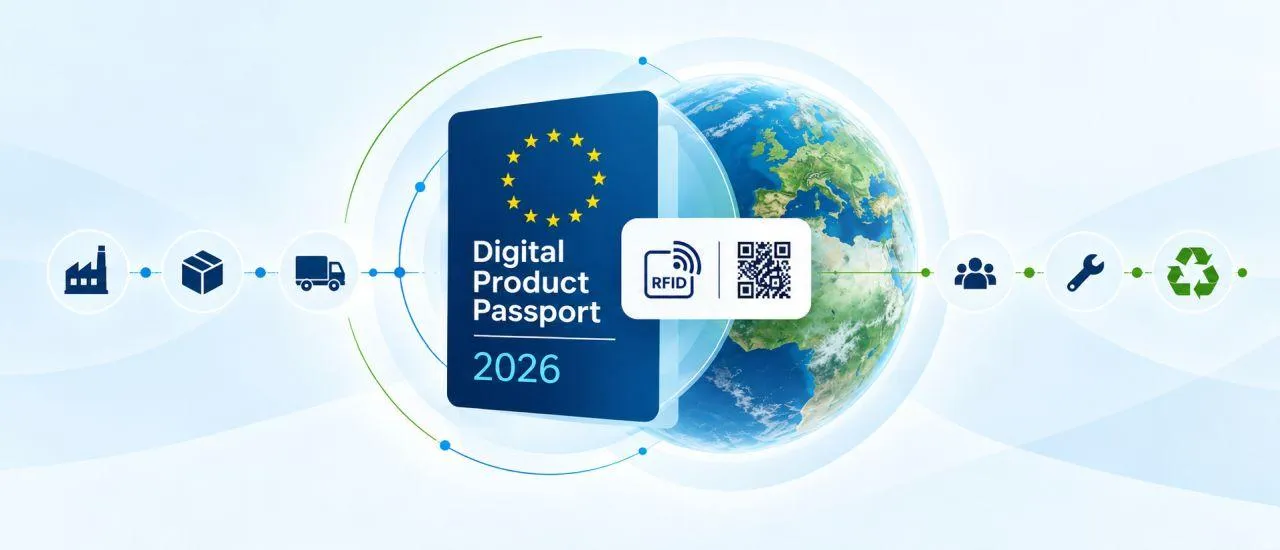
Digital Product Passports are often discussed as a regulatory requirement. However, their practical implementation depends on a more fundamental question: whether companies can collect, structure, govern, and exchange reliable product data across complex value chains.
In this lecture, Sebastian Emons, Research Associate at the Fraunhofer Institute for Software and Systems Engineering ISST, examines the Digital Product Passport from a data and business perspective. He introduces the EmpowerDPP project, its objectives, and the current status of initial DPP prototype implementations.
The session looks at the data-related challenges that companies face when preparing for DPP requirements. These include fragmented data sources, missing or non-standardised information, manual processes, unclear responsibilities, and the need to orchestrate data across suppliers, manufacturers, customers, and end-of-life actors.
Sebastian Emons also presents the DPP Readiness Model developed within EmpowerDPP. The model is designed to help companies assess their current position, identify gaps, and define practical implementation steps towards a functioning Digital Product Passport environment.
The lecture highlights that a DPP is not only a compliance topic. It can also become a basis for improved product transparency, more efficient internal processes, better service models, and new forms of collaboration throughout the value chain. For IT service providers, manufacturers, solution providers, and data platform operators, the session offers a structured view of the technical and organisational groundwork required to turn DPP concepts into operational systems.