Profile
How can BLE labels remain ultra-thin, flexible, and energy-efficient while still delivering the short, high-current peaks required for wireless transmission?
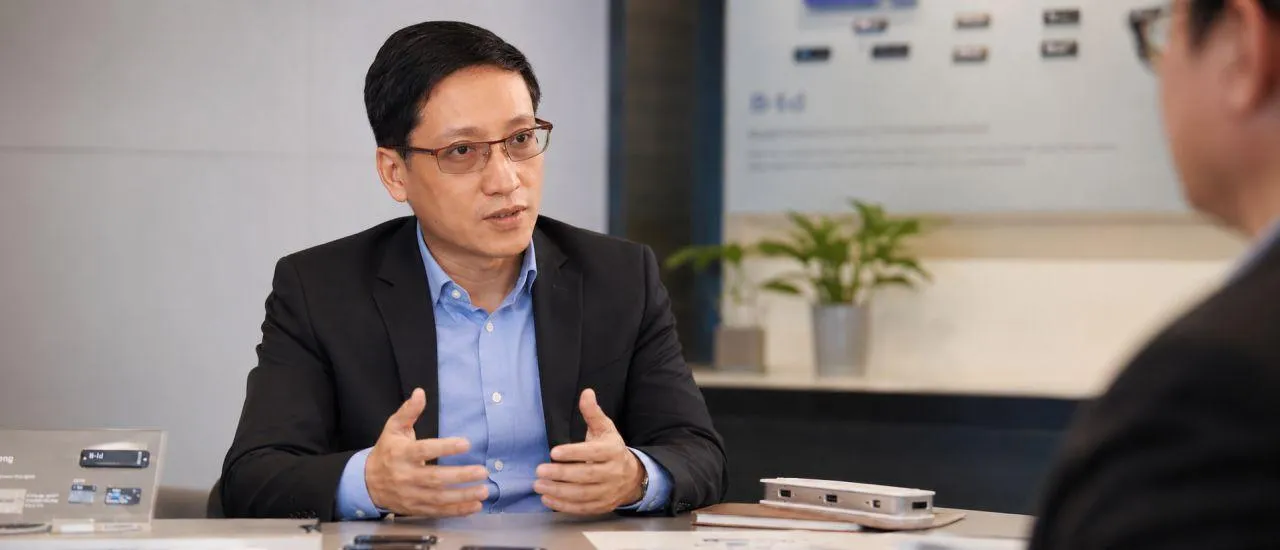
In this Think WIOT livestream lecture, Moritz Futscher, CEO and Co-Founder of BTRY AG, explains how solid-state battery technology can address this challenge. The presentation explores the role of ultra-thin, flexible batteries in BLE labels, sensor nodes, wearables, medical devices, and other compact IoT applications.
BLE-based devices require reliable power for communication events while maintaining a long operational lifetime. Solid-state batteries can combine high energy density with high power density, making them suitable for applications that need both sustained low-power operation and brief transmission-related current pulses.
The lecture also examines the combination of solid-state batteries with energy-harvesting concepts. Harvested energy can support or recharge a device over time, while the battery supplies the higher power needed when data must be transmitted.
With a thickness of just 0.1 mm and a flexible structure, these batteries open new design options for smart labels, rechargeable BLE labels, LoRaWAN trackers, compact sensor devices, and energy-harvesting IoT solutions.
Another focus is safety. Solid electrolytes can reduce risks associated with leakage and overheating, which is particularly relevant for applications in IoT, MedTech, and consumer electronics.