
- Unique, standardized UHF RFID tagging enables reliable identification of rail vehicles and components across organizations.
- The EN 17230 standard supports machine-readable encoding of the European Vehicle Number on passive RFID tags.
- Integrated RFID and sensor data link condition measurements directly to individual assets, supporting predictive maintenance.
- Dual-frequency transponders combining UHF RFID and NFC facilitate both automated tracking and direct data access via smartphones.
- Digital Product Passport regulations underscore expanding requirements for standardized, machine-readable component identification.
Linking standardized UHF RFID identifiers with sensor data forms the basis for effective asset condition monitoring and the implementation of predictive maintenance in the rail sector.
Guest article by Olaf Wilmsmeier, Wilmsmeier Solutions
UHF RFID along the tracks enables the automatic identification of rail vehicles and provides a crucial foundation for digital maintenance processes, asset condition monitoring, and predictive maintenance. The passive UHF RFID technology used in this context, based on ISO/IEC 18000-63, is now also referred to as RAIN RFID.
The starting point: a unique identity for railway components
At InnoTrans 2016, a topic that continues to occupy the rail industry to this day came into clear focus for the first time: marking components requiring maintenance not only uniquely but also in a standardized and cross-organizational manner using UHF RFID.
Major European operators such as ÖBB, SBB, and Deutsche Bahn supported this approach. Together with GS1 and other market participants, they laid the groundwork for the uniform use of identification data across manufacturer, operator, and maintenance boundaries.
At first glance, this sounds like a classic auto-ID issue. For maintenance, however, it is much more than that: Only when a component is uniquely identified can inspection, repair, and—later—sensor data be permanently assigned to that physical asset.
EN 17230 brings vehicle identity to the RFID transponder
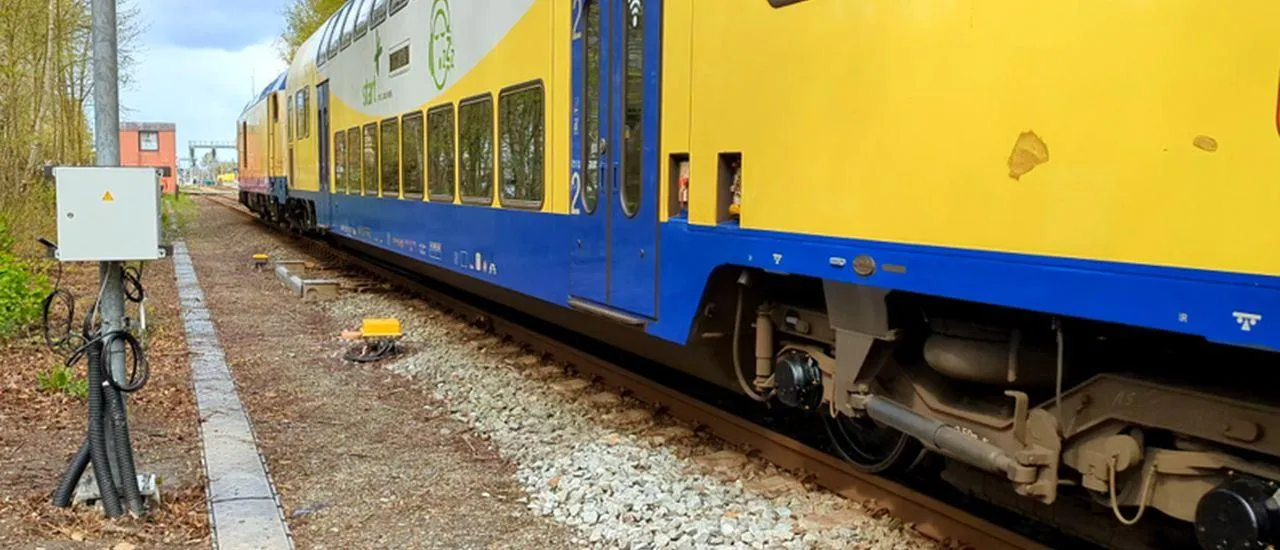
In the mainline rail sector, every railcar or vehicle has a European Vehicle Number (EVN). The European standard EN 17230 specifies how this identity can be made available on the vehicle in a machine-readable format using passive UHF RFID transponders.
Readers installed along the track bed can automatically detect vehicles as they pass by. Experience with such applications shows that neither dirt nor weather conditions generally pose an obstacle. Even high vehicle speeds do not preclude reliable identification, provided that the readers, antennas, transponders, and read zone are correctly configured for the application.
This makes it possible, for example, to automatically document in maintenance centers which vehicle was at which location and when. Stabling tracks can also be monitored via defined RFID detection points.
Source: DIN EN 17230:2021-03 – Information Technology – RFID in Railway Applications
Examples of robust UHF/RFID reader infrastructure:
Related Hardware
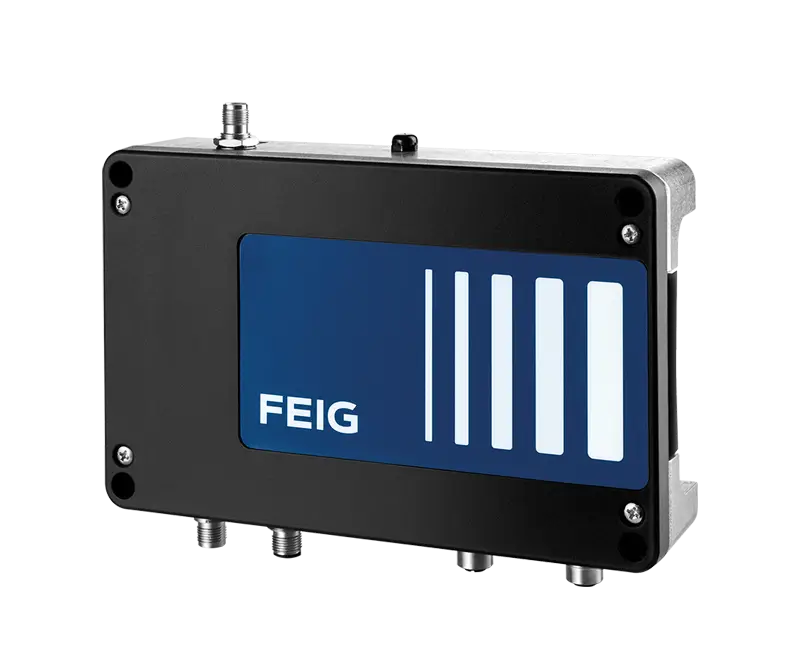
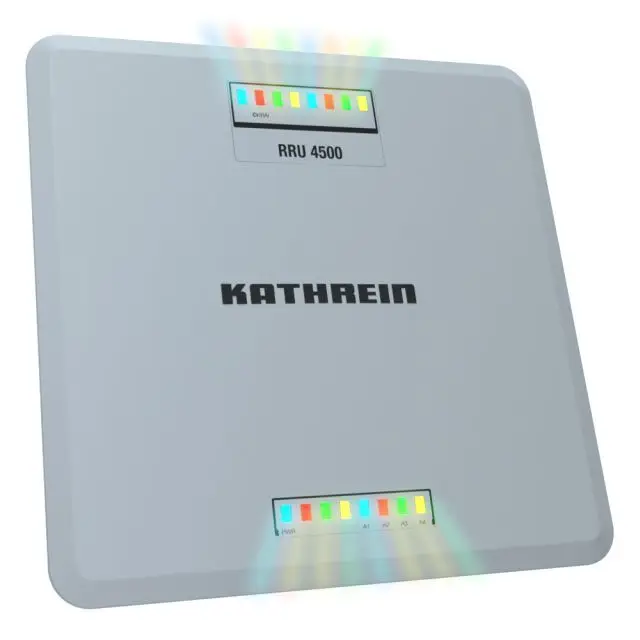
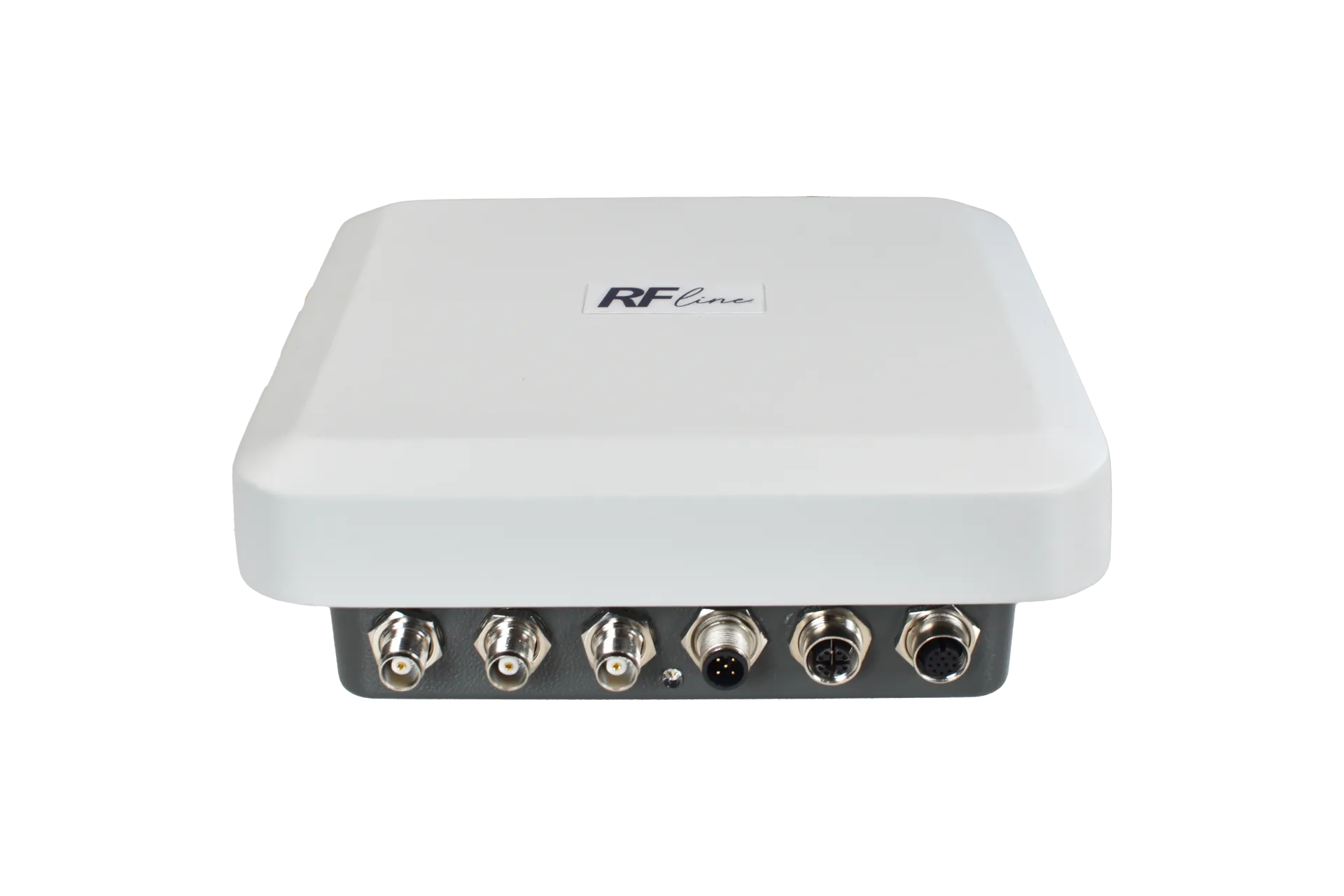
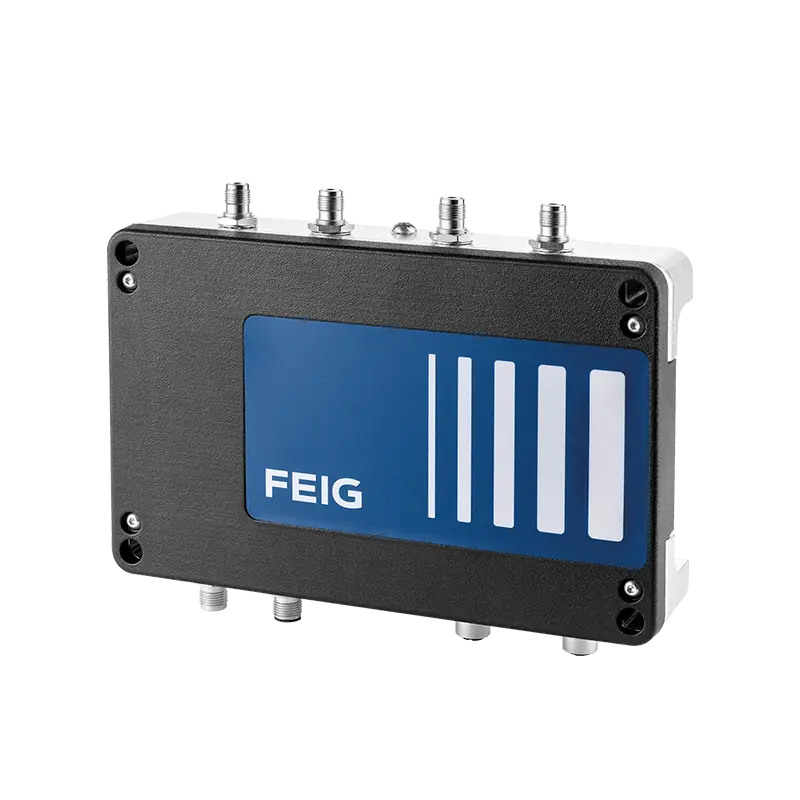
FEIG2any: Process RFID data directly in the reader
An important difference from early RFID projects today lies in data integration.
RFID readers no longer need to supply only raw data to specially developed middleware. Processing can take place directly within the reader. One example is the FEIG2any application, which runs directly on supported RFID readers and can convert captured data into various formats and forward it to higher-level systems via standard interfaces.
This is relevant for rail projects: The real challenge often lies not in reading an RFID transponder, but in reliably integrating the read event into existing maintenance, control, or ERP processes.
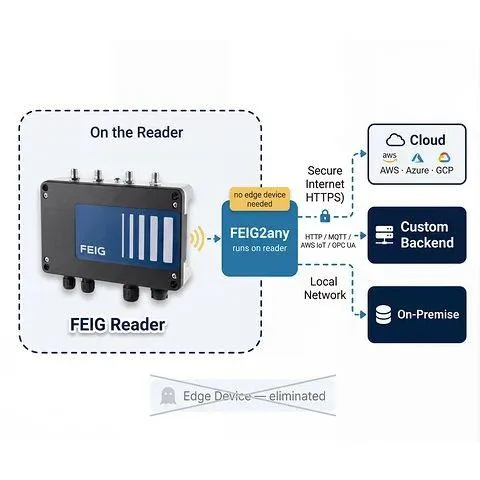

FEIG2any RFID reader Direct-To-Cloud
FEIG2any enables seamless direct integration of RFID readers with backend cloud systems without middleware.
RFID assigns measurement data to the correct vehicle
A practical example is the combination of RFID with axle weighing or axle counting systems. While the RFID reader captures the vehicle number or EVN, the measurement system operating in parallel provides data on the passing axles.
When both data streams are linked, the measurement values can be unambiguously assigned to the correct vehicle and its corresponding wheels or bogies. This combination is already an established application today.
The key contribution of RFID here, therefore, lies not in the measurement itself, but in the unambiguous assignment of the measurement data to the physical vehicle.
From wheel sets to pantographs
Standardized identification does not stop at the complete vehicle. As early as 2016, wheel set tags (markings on the axle-and-wheel assembly) with additional UHF RFID tags served as an important starting point.
Meanwhile, Ethernet switches, computer expansion cards (pluggable electronic modules in vehicle and control systems), pantographs (current collectors on the vehicle roof), and other components requiring maintenance are also tagged with UHF RFID and often additionally with a DataMatrix code. If necessary, the information can also be applied to the component in a human-readable format.
The key point is standardization across organizational boundaries: operators, manufacturers, and maintenance centers should be able to read and process the tags according to the same principle. RFID is thus not just an electronic nameplate, but becomes part of the maintenance and data processing workflow.
The practical benefits are evident in everyday workshop operations. Handwritten notes and the manual entry of numbers into IT systems are no longer necessary. Handheld scanners can be used to transfer RFID data directly to maintenance software or SAP systems.
Internal material movements can also be automated. For example, when a bogie is transported from one department to the next, stationary RFID readers detect the movement. The reading event can then trigger the corresponding goods movement or posting in the SAP system. Even dirty or scratched components can be recorded without manual entry.
The Next Step: Battery-Free RAIN RFID Sensors
Of particular technical interest is the growing integration of RAIN RFID and passive sensor technology. This expands the technology’s scope of application from pure identification to the collection of status information.
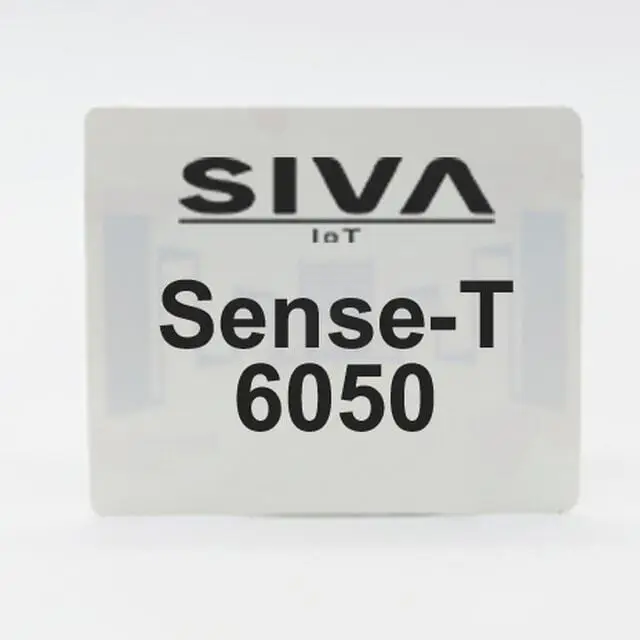
A sensor transponder no longer transmits only its identity. When read, it can also capture status or environmental values—such as temperature—and transmit them wirelessly without requiring a battery.
In the rail sector, for example, this can help to unambiguously associate elevated temperatures on components or bogies with the respective asset. If such values are recorded repeatedly, changes over time can also be monitored.
This changes the role of the transponder: an electronic nameplate can become both an identification point and a sensor point.
Examples of passive RFID sensor products:
Related Hardware
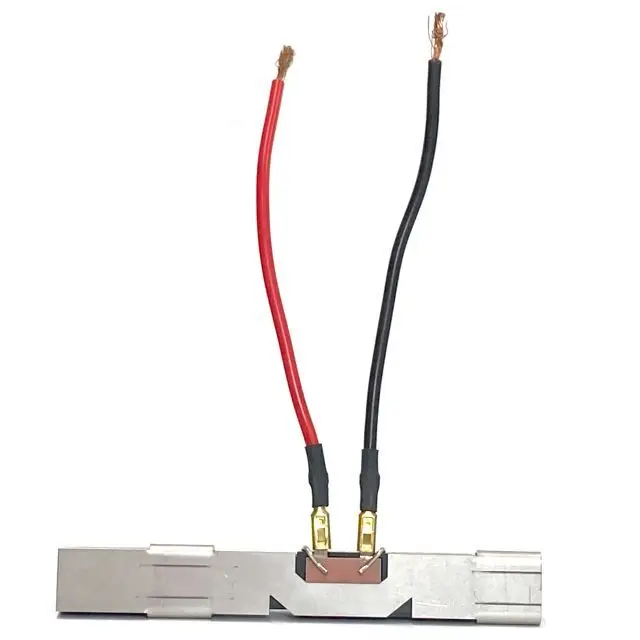
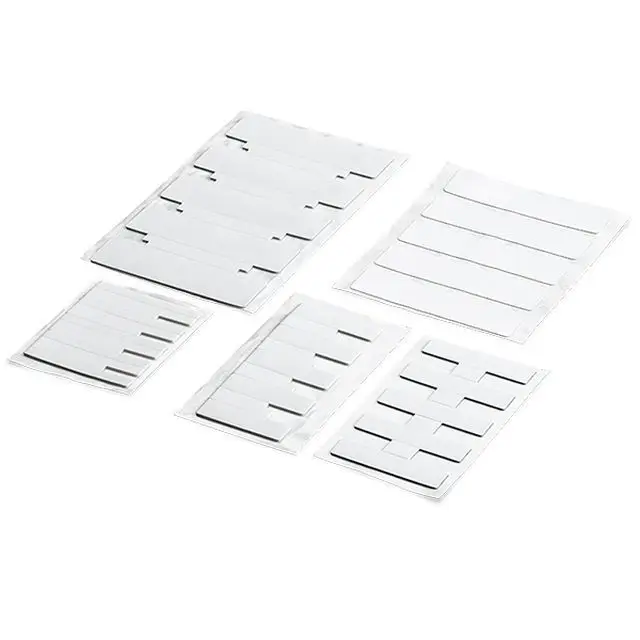
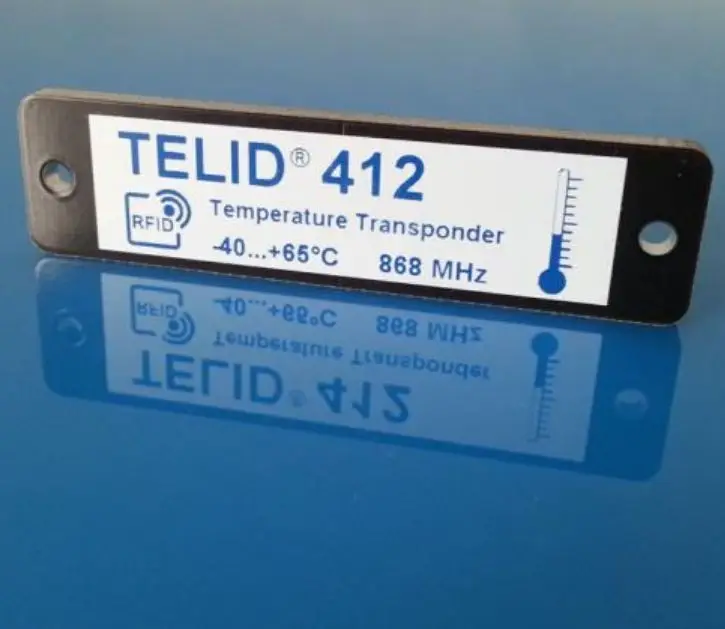
Predictive maintenance begins with accurate assignment
In predictive maintenance, maintenance needs are determined as early as possible based on a component’s actual condition, rather than relying exclusively on fixed maintenance intervals. This allows maintenance work to be planned more effectively and reduces unplanned downtime.
To achieve this, data collected over the years must be reliably assigned to the correct component. When a unique component ID is linked to sensor, inspection, and repair data throughout its lifecycle, a robust foundation for a digital twin is created.
Building on this, operators will be able to align maintenance cycles more closely with a component’s actual condition in the future. The automatic and unambiguous identification of components is a key prerequisite for this.
UHF RFID and NFC in a Single Transponder
Another interesting development is dual-frequency transponders, which combine UHF RFID and NFC or HF RFID.
UHF RFID enables automated reading from a distance or the tracking of multiple assets. NFC additionally offers the ability to specifically read from or write to a single component using a smartphone or an industrial NFC reader.
This allows automated infrastructure processes and tasks performed directly on the component to be linked via the same physical tag.
Standardized Identification and the Digital Product Passport
The European Union’s Digital Product Passport (DPP) also underscores the growing importance of unique and machine-readable product identification. The DPP is not limited to consumer goods. The European legal framework generally also covers components and intermediate products. Which information must be provided and which product groups require a DPP is determined on a product-specific basis.
No specific DPP requirements have currently been established for rail vehicles or rail components as a separate product group. However, individual products and materials used in the rail sector may still be subject to relevant requirements regardless of this.
This development is therefore of interest to the rail industry: With standardized RFID tags, unique component and vehicle identifiers, and links to digital lifecycle data, the industry has for years been relying on principles that also play a central role in the Digital Product Passport.
The extent to which DPP requirements will further drive standardized product identification in the rail sector will become clear with the upcoming product-group-specific requirements.
Read more about the Digital Product Passport, regulatory requirements, and the role of RFID, NFC, and other identification technologies in the Think WIoT DPP Topic.
Ten years is not a long time in the rail industry
Standardized RFID tagging has been successful, but is still far from fully implemented. Many existing vehicles will remain in service for decades to come. At the same time, maintenance processes, IT systems, and workflows must be adapted, and employees in workshops and logistics must be integrated into the process.
This is precisely why it’s interesting to look back at the past ten years: UHF RFID—or RAIN RFID—has proven itself technically. The next stage of development is now emerging through the combination of unique asset IDs, automated data collection, and sensor technology.
This integration is already immediately applicable to asset condition monitoring. For predictive maintenance, it creates a crucial prerequisite: knowing which condition data actually pertains to which vehicle, wheel set, or component.