Rapid tests and sensor data enhance digital bee health

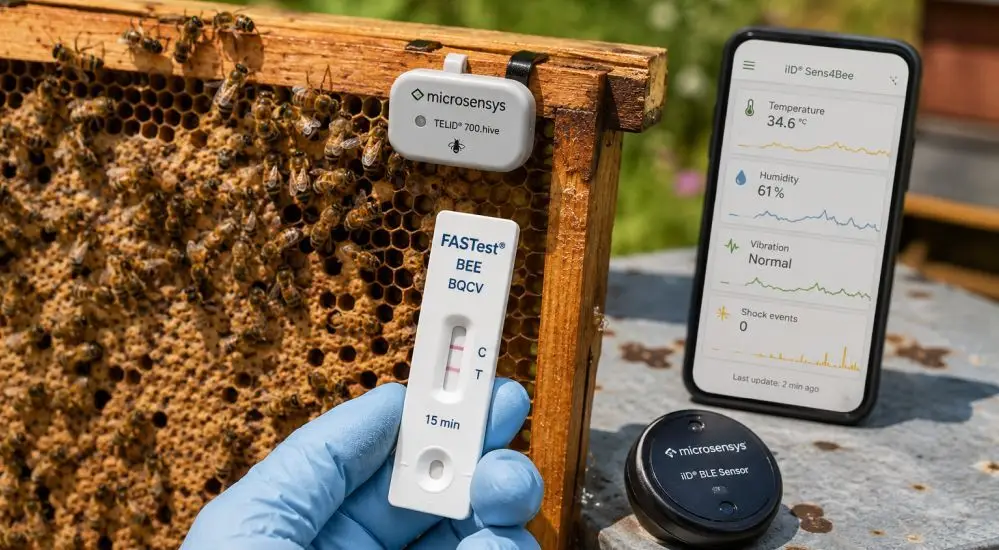
The FASTest® BEE BQCV Strip is a rapid test for on-site detection of the Black Queen Cell Virus. Combined with RFID, NFC, BLE, and sensor solutions from microsensys, it provides a data-driven approach for monitoring, research, and beekeeping practices.
Virus Diagnostics Directly at the Hive
The health of honeybees is a key factor for agriculture, biodiversity, and functioning ecosystems. Viral infections are among the greatest challenges in beekeeping because they often go unnoticed yet can have significant impacts on larvae, breeding lines, and the vitality of entire bee colonies.
A recent result from the LAFAS project is the FASTest® BEE BQCV Strip. This rapid test is designed for on-site detection of the Black Queen Cell Virus, or BQCV for short. The virus can occur as a latent infection and lead to the death of queen and bee larvae.
Until now, diagnosis has typically involved complex laboratory procedures. The new lateral-flow rapid test delivers a result in about 15 minutes, thereby enabling beekeepers to make faster decisions directly at the hive.
LAFAS: Rapid Tests for Bee-Pathogenic Viruses
The LAFAS project focused on developing a lateral flow assay for the simultaneous detection of four bee-pathogenic viruses. These include the Wing Deformation Virus, the Acute Bee Paralysis Virus, the Sacbrood Virus, and the Black Queen Cell Virus. According to the project overview, antibodies for all four viruses were successfully generated, tested for specificity and sensitivity, and prototypes of the rapid tests were validated in field trials.
The fields of application range from qualitative use by end-users, such as beekeepers, to quantitative professional use in diagnostic laboratories. Veterinary diagnostics is also cited as a field of application.
Participants included the State Institute for Apiculture in Hohen Neuendorf and ASKA Biotech. The project contact is Prof. Dr. Elke Genersch from the State Institute for Apiculture in Hohen Neuendorf.
Digital Supplement: Monitoring with iID®bee
In addition to selective virus diagnostics, the continuous monitoring of bee colonies is gaining importance. This is where microsensys comes in with solutions for small animal identification, RFID-based research, and environmental monitoring.
Under the umbrella term iID®bee, microsensys bundles the solutions iID®science and iID®Sens4Bee. Depending on the application, they are aimed at research institutions, professional beekeepers, and private or commercial honey production.
iID®science supports the identification of individual bees in research. Miniaturized RFID transponders tag each bee with a globally unique number. The hive entrance serves as an antenna and records entries and exits.
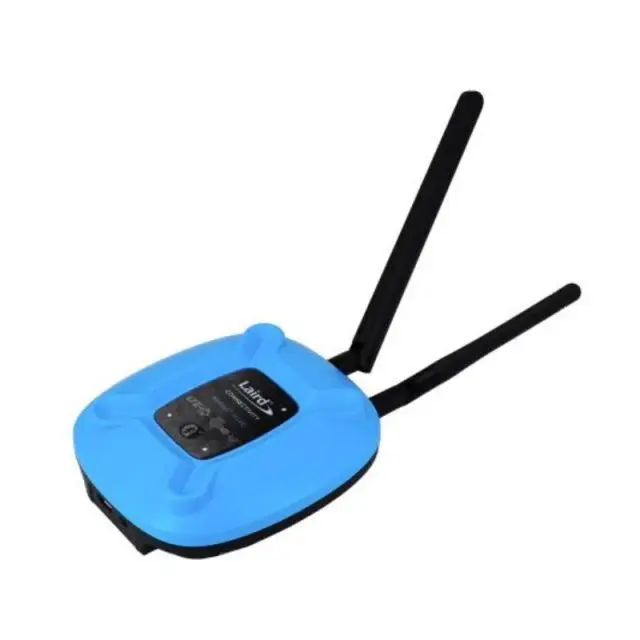
iID®Sens4Bee focuses on monitoring the beehive and brood. Sensors record parameters such as temperature, humidity, vibration, and shock events. Data can be analyzed from anywhere via BLE-LTE gateways and cloud connectivity.
Related Hardware
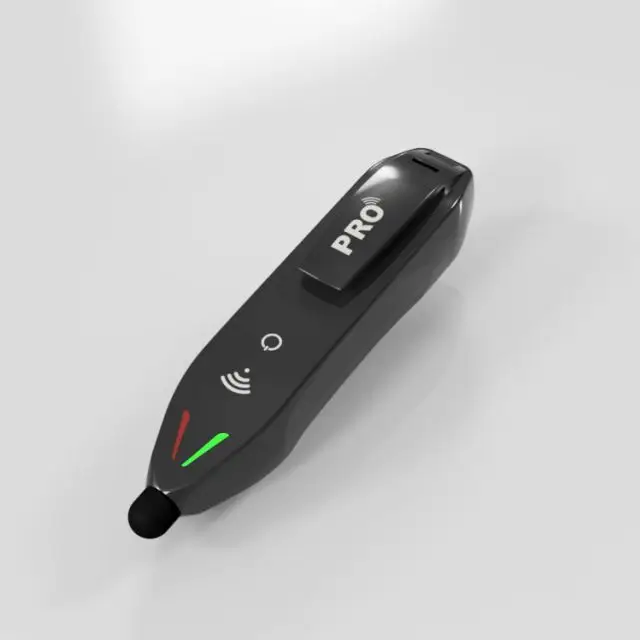
RFID, NFC, and Sensors for Beekeeping
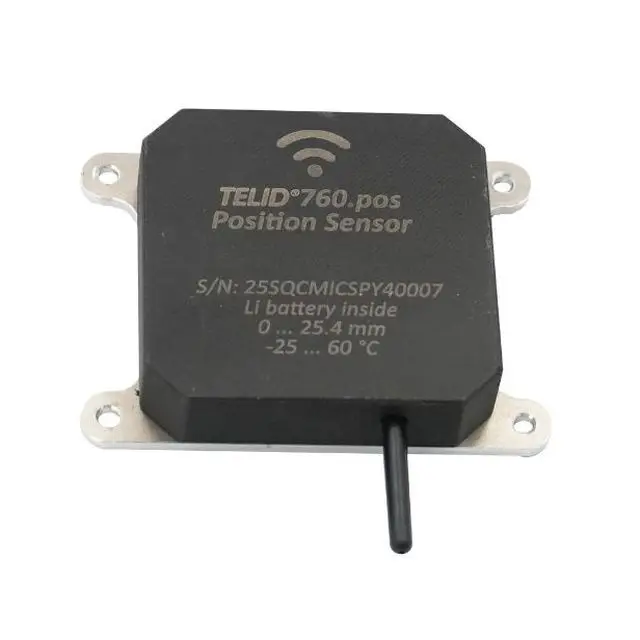
According to the company, microsensys offers RFID transponders for the smallest animals and insects, NFC Hive TAGs, as well as sensor transponders and gateways. NFC Hive TAGs can be attached to the outside of wooden hives and read and written to using a standard smartphone. Optionally, they measure temperature, air pressure, and humidity in real time.
For beehives, products available include the TELID® 700.hive, TELID® 700.honeycomb, TELID® 710.hive, the iID® Gateway BLE-LTE, the Qmini 1.6 TAG, and mobile readers such as the iID® PENsolid PRO. The solutions address research, biodiversity assessment, behavioral research, livestock monitoring, and beekeeping practices.
For system integrators and solution partners, the combination of identification, sensor data, and connectivity is particularly relevant. It enables applications that go beyond simple inventory control: behavioral analysis, environmental monitoring, event detection, swarm behavior in further development, and data-based health assessment of bee colonies.
Relevance for Research and Practice
The FASTest® BEE BQCV Strip provides rapid diagnostic information about a specific viral pathogen. microsensys technologies complement this approach with continuous data from the beehive and the unique identification of individual bees or hives.
This provides research institutions with a technical foundation to better link disease patterns, environmental conditions, and behavior. For beekeepers, the combination of rapid testing and monitoring can help detect anomalies earlier and better document decisions.
This development demonstrates how diagnostics and wireless IoT technologies are converging in bee health. On-site tests provide rapid biological results, while RFID, NFC, BLE, and sensor systems deliver the digital contextual information.
Contact and Source
Those who wish to not only check bee health on an ad hoc basis but also gain a continuous, data-driven understanding of it will find specialized technologies for small animal identification—iID®bee, iID®Sens4Bee—and environmental monitoring at microsensys.
These solutions combine RFID, NFC, BLE, sensor technology, and cloud connectivity to create robust monitoring approaches for research, beekeeping, and system integration.
Contact microsensys to precisely track beehives, individual bees, and environmental parameters, thereby creating a solid digital foundation for sustainable pollinator strategies.
Information on the FASTest® BEE BQCV Strip from MegaCor: https://www.megacor.at/veterinary/product/fastest_bee_bqcv_strip.html
Source URL microsensys: https://microsensys.de/en/solutions/animal-and-small-animal-identification/