microsensys Drives Digital Product Passport Readiness with RFID and NFC

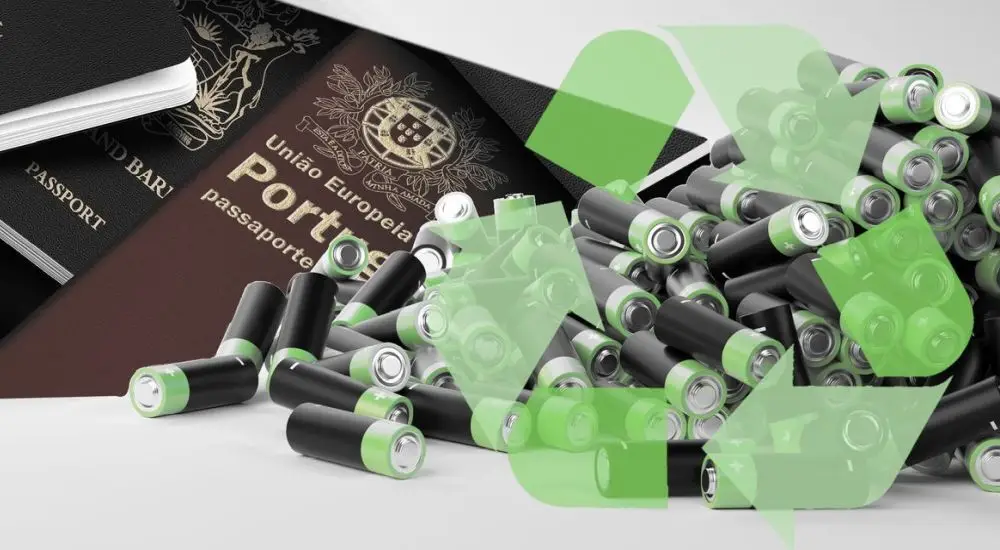
The Digital Product Passport is becoming a strategic priority for manufacturers, suppliers, and technology-driven industries across Europe. With regulatory pressure rising and sustainability expectations increasing, companies need practical ways to make product data transparent, traceable, and accessible.
microsensys is addressing exactly this challenge with RFID- and NFC-based solutions designed to bring the Digital Product Passport into real industrial processes.
From Regulatory Obligation to Business Opportunity
The Digital Product Passport will become mandatory from 2027 in numerous sectors, including railway, defense, automotive, medical, battery, retail, and electronics. For companies in these industries, the topic is no longer theoretical. It is becoming part of compliance strategy, supply chain design, and competitive positioning.
The Digital Product Passport is part of a broader European regulatory shift shaped by the EU Green Deal, the Ecodesign Regulation, the Battery Regulation, and the Critical Raw Materials Act. For companies, this raises the pressure to prepare early. Those that build the right data and identification structures now can address future compliance demands while strengthening transparency across the product lifecycle.
Connecting Physical Products with Digital Transparency
Turning the Digital Product Passport into reality starts with one key question: how does a product carry its data throughout its lifecycle? This is where RFID and NFC technologies come into play.
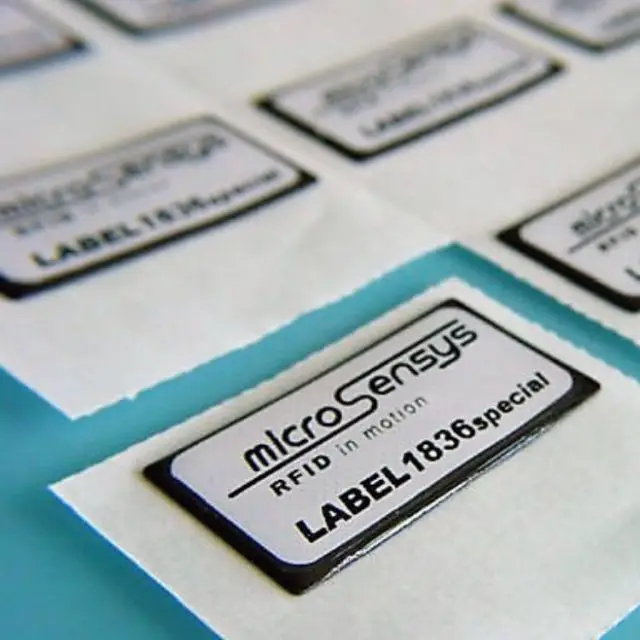

UHF/HF RFID Label 1836-DUALTAGspecial
The Label 1836-DUALTAGspecial unifies UHF and HF RFID technologies to enhance identification flexibility and data consistency in industrial environments.
With a strong focus on practical implementation, microsensys brings Digital Product Passport requirements directly into real-world operations. Instead of abstract data models, the approach centers on reliable identification technologies that allow products to be uniquely tagged, tracked, and digitally connected from production to recycling.
Dual-frequency solutions combining UHF and NFC create a powerful bridge between industrial efficiency and user interaction. While UHF enables fast and automated bulk reading in logistics and production, NFC allows direct access to product information via smartphone, opening new possibilities for transparency, service, and customer engagement.
From Tagging to Lifecycle Intelligence
The strength of this approach lies in its flexibility across different applications and product types. Whether large-scale industrial goods or small components, the right hardware makes the Digital Product Passport usable in practice.
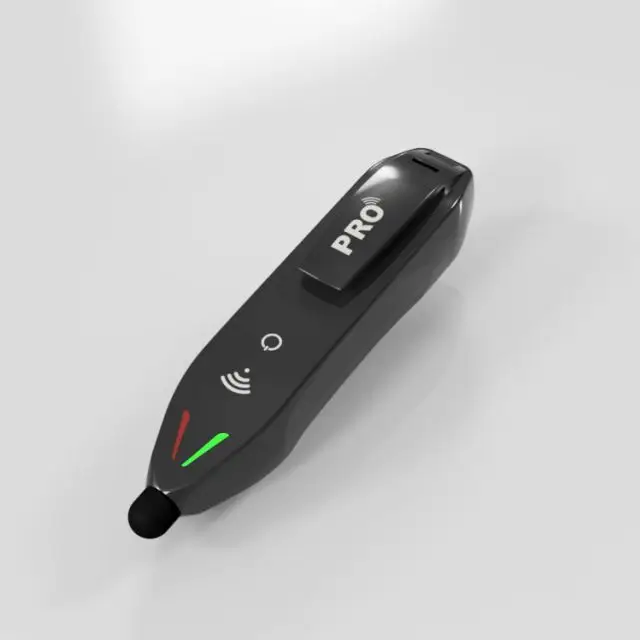
Solutions such as the iID® PENsolid PRO and iID® PENsolid PRO HF EU provide mobile reading capabilities for labels, plates, and sensor transponders, even in environments with miniaturized tags. For product labeling, the 1836 DUAL Tag combines HF and UHF in a single self-adhesive label, enabling seamless integration into both logistics and user-facing applications.
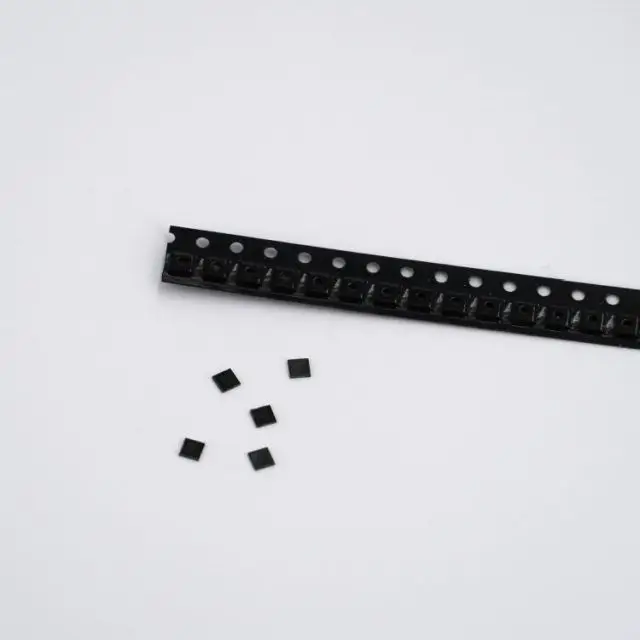
For highly compact use cases, the Qmini U-TAG 2.5 offers an ultra-small transponder solution, designed for limited spaces and specialized identification scenarios. This range of hardware highlights how Digital Product Passports can be adapted to very different industries and product requirements.
Built for Integration, Not Isolation
What makes these solutions particularly relevant is their compatibility with established standards and technologies. RFID, NFC, QR codes, and cloud-based systems can be combined with frameworks such as EPCIS and GS1 Digital Link to ensure interoperability across supply chains.
This creates more than just traceability. It enables structured data flows that support compliance, improve process efficiency, and reduce risks such as counterfeiting or data inconsistency. At the same time, access to reliable product information empowers partners, service teams, and end users alike.
Making the Digital Product Passport Work in Practice
As the Digital Product Passport becomes a requirement across industries, the challenge is no longer understanding the concept, but implementing it effectively. Identification technologies play a central role in this transition, linking physical products with their digital counterparts in a scalable and durable way.
By combining robust hardware with flexible application scenarios, microsensys demonstrates how companies can move from regulatory pressure to operational advantage. The result is not only compliance, but a more transparent, connected, and sustainable product ecosystem.
Contact microsensys to explore how RFID and NFC can support your Digital Product Passport strategy. Discover how microsensys brings the Digital Product Passport into practice: https://microsensys.de/en/solutions/digital-product-passport-dpp/