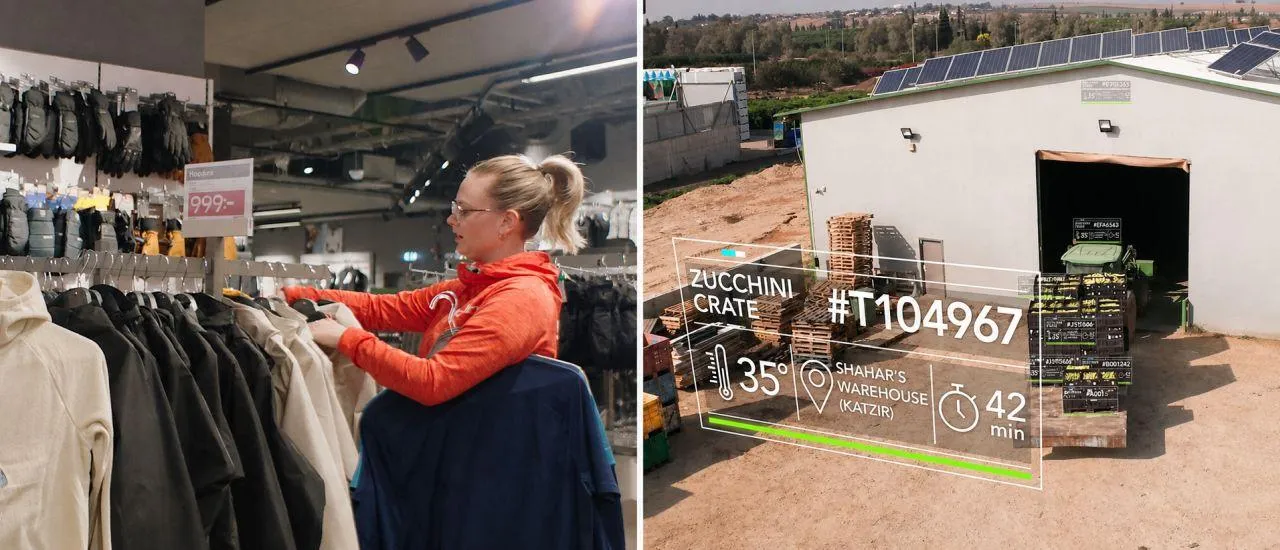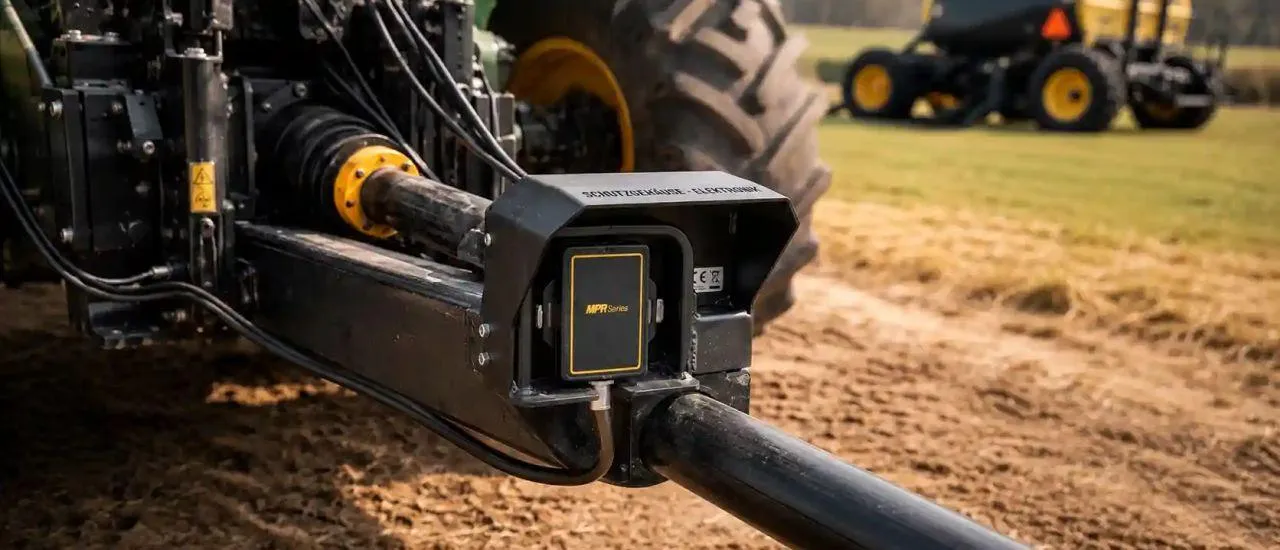

- RFID automatically identifies attachments and operators and assigns them unambiguously to the respective machine.
- Automatic identification reduces manual input and helps prevent operating errors.
- iDTRONIC supports the selection and integration of RFID hardware and provides suitable SDKs for system integration.
- By linking RFID with the machine control system, operating times can be assigned and maintenance can be planned according to actual usage.
Recognizing attachments, authorizing operators, assigning operational data, and documenting maintenance: RFID can do much more than just identify mobile machines. In this interview, Benjamin Pfeiffer, Head of RFID & IoT Sales at iDTRONIC, explains how an RFID ID is transformed into actionable machine context.
For which types of machine and equipment fleets is automatic RFID identification particularly suitable?
Benjamin Pfeiffer: Automatic RFID identification is particularly well-suited for machines and vehicles where attachments, tools, containers, or machine modules are changed on a regular basis.
Typical applications include road maintenance and municipal vehicles, agricultural machinery, construction equipment, industrial trucks, and waste collection vehicles. RFID can also be used for employee identification, for example, to unlock vehicles, start them, or enable specific functions.
RFID is particularly useful when machines need to automatically, quickly, and unambiguously recognize changing components or operators. This reduces the need for manual input and makes machine processes more transparent.
How can operators of machine, vehicle and equipment fleets use RFID?
Benjamin Pfeiffer: To do this, the respective attachment, tool, or container is equipped with an RFID transponder. An RFID reader is installed on the machine or vehicle that can automatically detect the transponder.
In the case of a road maintenance vehicle, for example, this means the system can immediately detect whether a sweeper, mower, spreader, or snow plow is currently attached. For such applications, our MPR series offers compact RFID readers that can be installed directly on the machine and connected to the existing vehicle control system.
The identification data is then transferred to the machine control system. Based on this information, the system can select the appropriate operating mode, enable specific functions, or document operating data. As a result, the operator no longer has to manually select and configure the attachment.
Another use case involves linking the unique object identification to telematics data from the onboard system. This allows the identity of a piece of equipment and the operational data collected during its use to be combined into a single digital data set.
How can these devices and employees be automatically identified, and how is the information processed afterwards?
Benjamin Pfeiffer: The equipment is equipped with an RFID transponder that stores a unique identification number. As soon as the attachment or tool is within the reader’s detection range, the data is read contactlessly via the RFID air interface.
With our RFline or MPR series, data is captured using RF or UHF technology, depending on the application. The reader then transmits the retrieved identification data to the control system via CANopen, SAE J1939, or another industrial interface, for example.
Another use case is targeted identification for a specific function, such as opening the side door of a trailer. The employee’s UID can be transmitted to the control system via CANopen and documented. If the employee has the appropriate authorization, the side door can be unlocked and opened.
How is the information used?
Benjamin Pfeiffer: RFID identification makes it possible to uniquely assign operational data—such as operating time and frequency of use—to the respective attachment. Instead of planning maintenance intervals based solely on the machine’s age, operators can take into account the actual operating hours of each attachment.
This requires linking the RFID identification to the operating data from the machine control system or telematics system. This allows maintenance and inspections to be planned more effectively based on actual needs and reduces the risk of unplanned downtime.
Certain machines may only be operated by trained or authorized personnel. Can RFID be used to verify operator authorization and prevent unauthorized use?
Benjamin Pfeiffer: Yes, RFID is very well suited for this. For example, the operator logs in directly at the machine using an RFID badge, such as a key fob or employee ID card.
The machine control system or the reader can then verify whether the employee is authorized to use this machine or specific functions. Different authorization levels can also be configured. For example, an employee may be allowed to operate a machine but may only use certain attachments or operating modes if they have the appropriate qualifications or training.
If no valid authorization exists, the machine can remain locked or be used only with restrictions. At the same time, it is possible to document who operated the machine and when. This increases safety and ensures better traceability of usage.
How can existing and older machines be retrofitted with RFID, and what requirements need to be met?
Benjamin Pfeiffer: In many cases, retrofitting with RFID technology is straightforward and can be implemented quickly. To do this, the machines or vehicles are equipped with an RFID reader, while the attachments, tools, or containers are each fitted with a suitable RFID transponder.
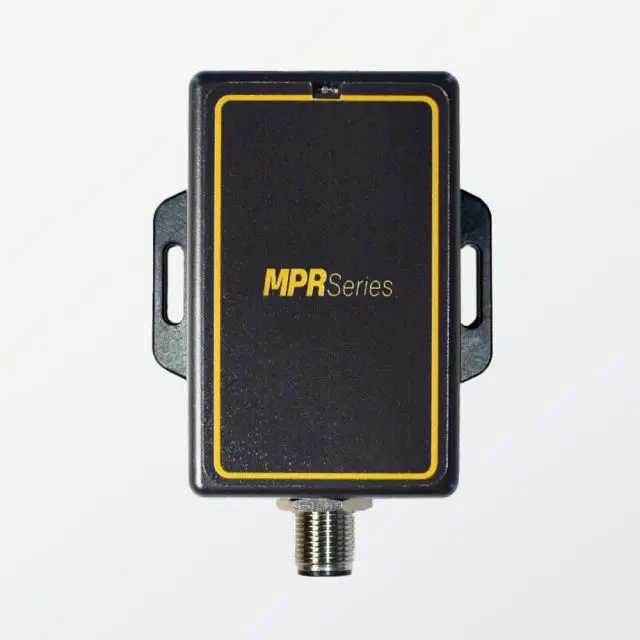
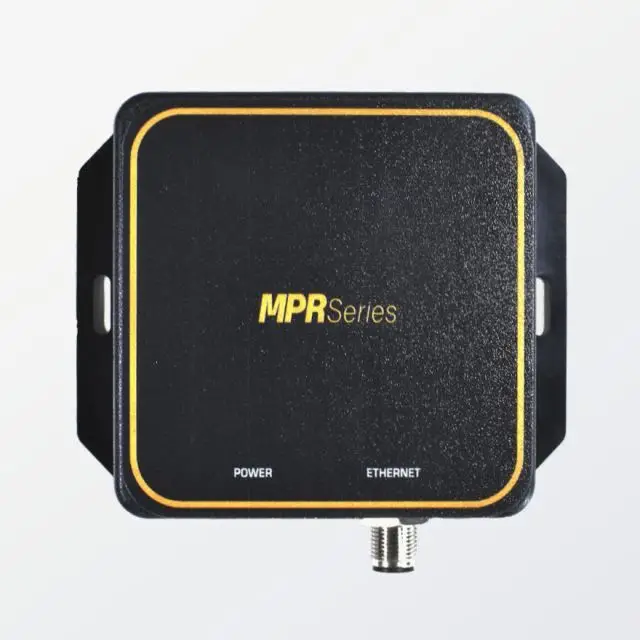
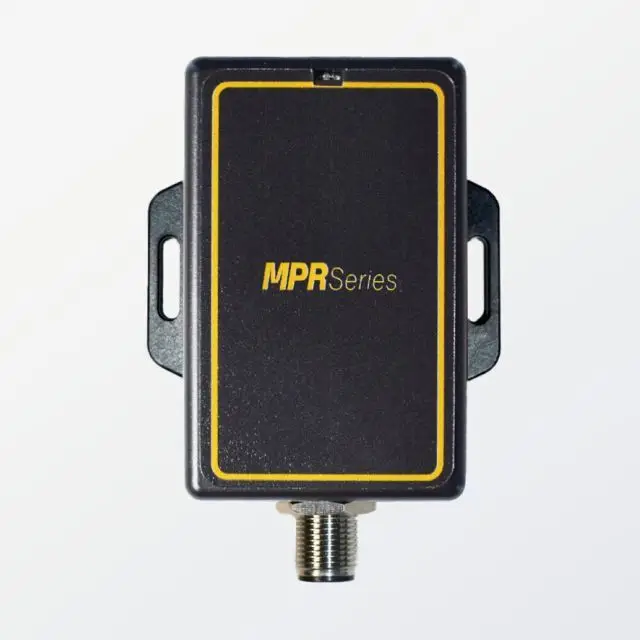
Our MPR readers are designed for such decentralized identification tasks. Thanks to their compact design and integrated antenna, they can be mounted directly at a suitable location on the machine or vehicle.
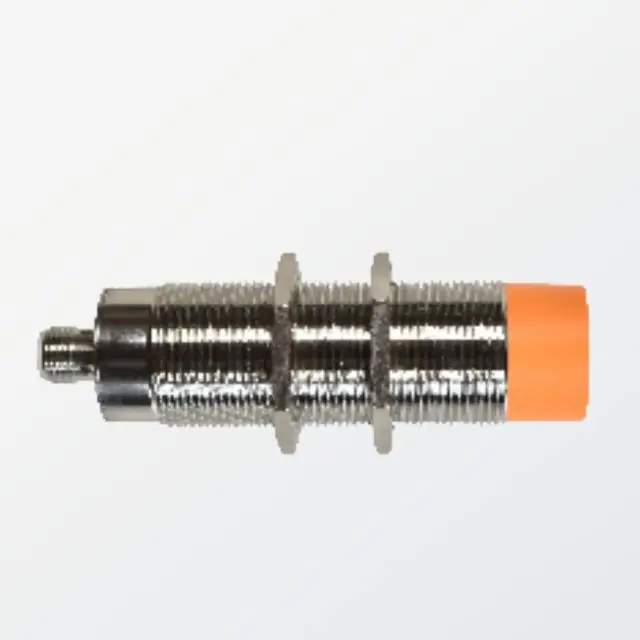
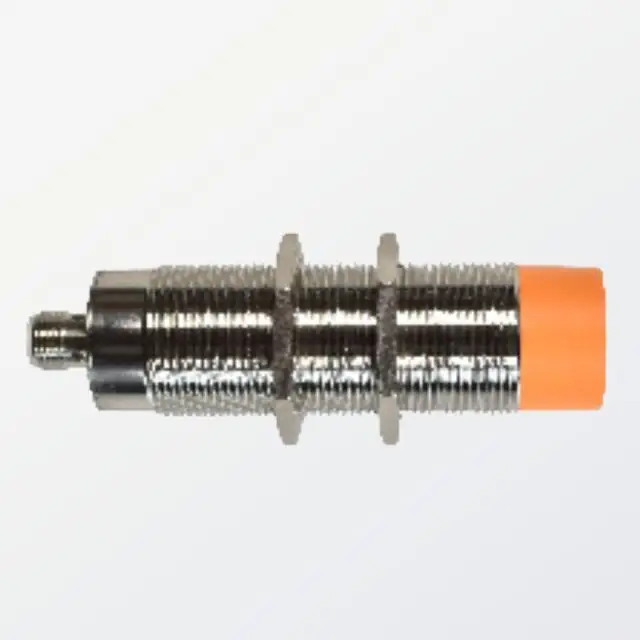
The MPR series is available in various housing designs, including compact versions measuring 8 × 5 cm and 10 × 10 cm, as well as an M30 housing. Depending on the model, industrial interfaces and protocols such as CANopen, SAE J1939, RS232, RS485, USB Virtual COM Port, Ethernet/TCP-IP with PoE, and Modbus are available.
To select the appropriate model, we first assess the available installation space, the desired reading range, the environmental conditions, the existing power supply, and the interfaces and protocols of the machine control system.
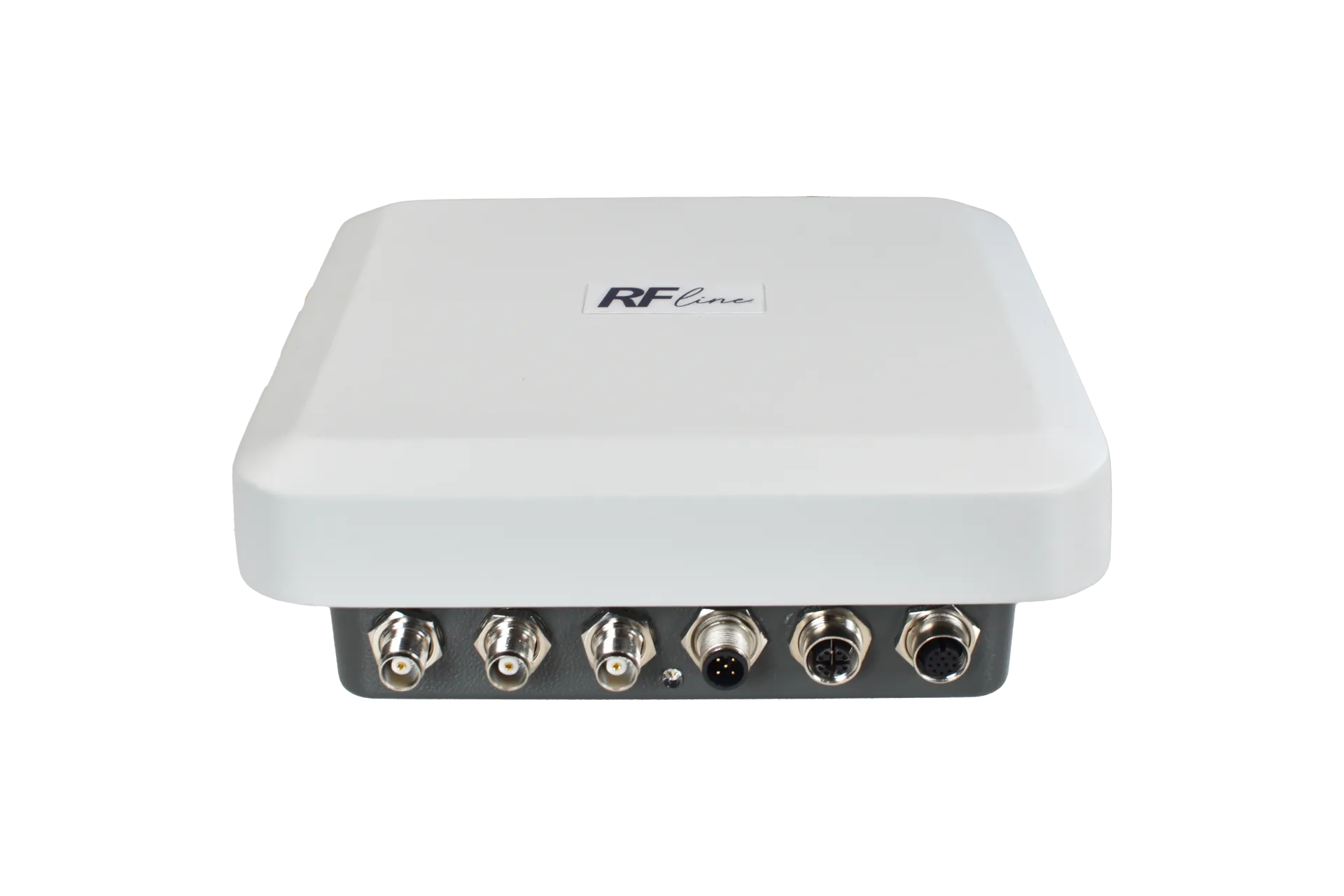
If longer read ranges, multiple external antennas, or particularly high-performance UHF detection are required, the RFline series can be used as an alternative. The RFline E4 UHF Reader is particularly well-suited for multiple detection points.
Integration into the machine control system is typically handled by the machine manufacturer, the operator, or a system integrator. iDTRONIC provides support throughout the process, from the selection and positioning of the RFID hardware to the technical integration. If necessary, we can also make adjustments to the firmware.
Related Hardware
RFID solutions on most mobile machines and equipment need to operate reliably under dust, moisture, vibration and temperature fluctuations. What requirements does this place on RFID readers, housings, connectors and power supplies?
Benjamin Pfeiffer: In mobile machines, the RFID hardware must be designed to be significantly more robust than in a protected indoor facility. The reader should therefore have a durable housing with a high protection rating to ensure that the electronics are reliably protected from dust, dirt, and moisture.
Our MPR IA readers, for example, feature an IP67 enclosure, an integrated antenna, and industrial M12 connectors.
Vibrations, impacts, and significant temperature fluctuations must also be taken into account during the planning phase. In addition to the hardware itself, a secure mounting, protected cable routing, and appropriately robust, potted electronics are therefore essential.
Just as crucial as selecting the right reader is choosing the correct RFID transponder. The material of the equipment being mounted, the installation location, the desired read range, and the specific environmental conditions all play a decisive role. For example, special on-metal transponders are required for mounting on metal.
Only when the reader, transponder, installation position, and machine environment are properly coordinated can consistently reliable identification be ensured in daily operations.
Related Hardware
What tangible benefits can RFID deliver in the daily operation of machines and vehicles?
Benjamin Pfeiffer: The biggest advantage is that many processes take place automatically in the background. Attachments, tools, or operators are recognized immediately without the need to manually enter additional data.
This reduces search times because it’s easier to track which device was used and how long it has been in operation.
Maintenance can also be planned more effectively, since usage duration, frequency of use, and operating hours can be automatically recorded. This helps prevent unplanned downtime and ensures equipment is inspected in a timely manner.
This does not make the workflow any more complicated for the operator. Ideally, the operator will hardly notice the RFID identification because detection occurs automatically and the appropriate settings are immediately available. The MPR series was developed precisely for this purpose. It enables RFID identification directly on the machine and easily integrates the collected data into existing control processes.
Would you like to automatically identify attachments, tools, or operators on mobile machines? Benjamin Pfeiffer and iDTRONIC can assist you in selecting the right RFID hardware and integrating it into your existing machine processes.