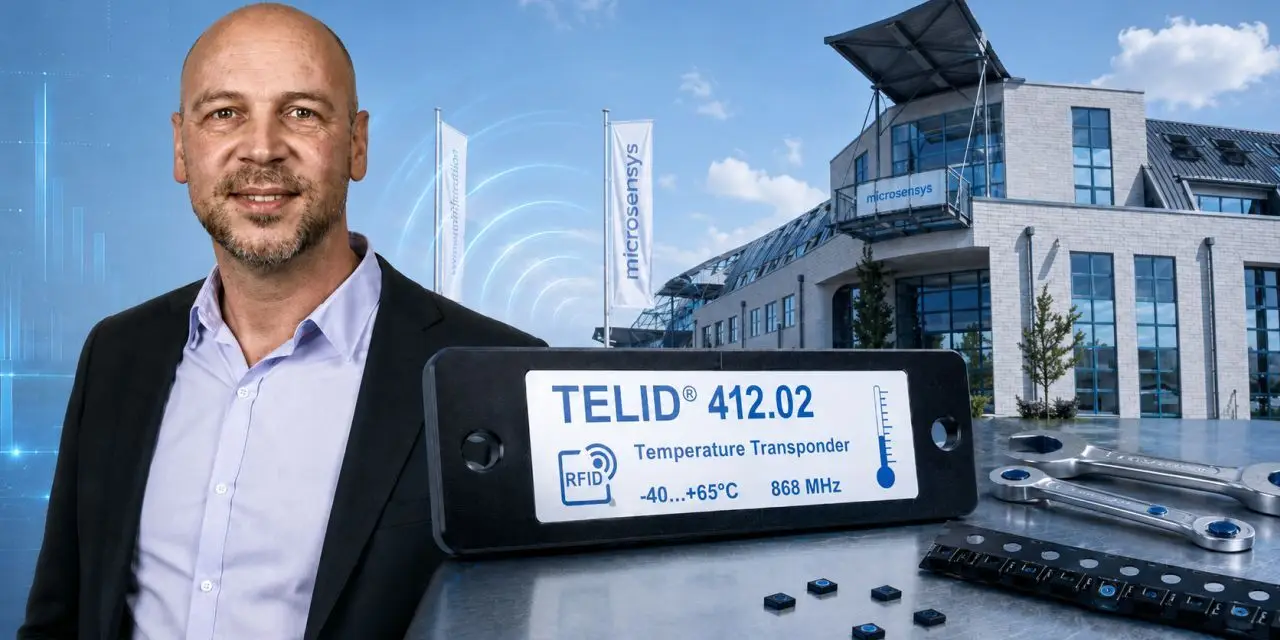

- RFID systems provide automated, reliable tracking data including unique identifiers, timestamps, and event chains for tools and components.
- Sensor-enabled RFID expands tracking to include environmental conditions critical for sensitive components, such as temperature and shock events.
- Search time for missing tools can account for up to 38 hours per employee annually, significantly impacting productivity and costs.
- Integration with ERP, MES, and maintenance systems through standardized interfaces facilitates actionable data use without major IT disruptions.
When used correctly, tracking with RFID technology can digitally track tools and components with a unique identifier, timestamps, and a complete chain of events. RFID-based tracking provides automatically captured, reliable process data. Every tool, component carrier, or sensitive component is assigned a unique digital identifier.
When the object is recorded at defined stations — such as in the warehouse, at the tool issue point, on the production line, or upon return — a complete chain of events with timestamps and location references is created. The recorded data can be integrated into existing systems such as ERP, MES, or maintenance software via standardized interfaces.
Logistics managers thus know at all times which object is located where, when it was used, and what path it took through the process. The recorded data even forms the basis for further applications — such as maintenance strategies, process analyses, or quality documentation.
When combined with sensor technology, condition data such as temperature, humidity, or shock are also added. This generates reliable data for intralogistics, maintenance, and audits.
For manufacturing companies, this is no longer just about “tracking for the sake of tracking,” but about concrete operational questions: Are tools available when they are needed? Can components be clearly assigned to a specific order? And can process and environmental conditions be reliably documented?
Sylvo Jäger, Managing Director of Microsensys, explains how easy it is to retrofit systems with RFID and sensors and what costs companies can expect if they want to minimize search times or switch to digital processes.
If you’re searching, you’ve already lost
In many industrial companies, it is still part of everyday life to search for tools or to be unable to clearly trace sensitive components. If a special tool is missing at the start of a shift or if the path of a critical component can no longer be reconstructed, it quickly becomes expensive.
“In practice, it’s not the missing tool that costs the most — it’s the time people lose every day searching, asking around, and taking detours,” according to sources close to Microsensys.
The invisible waste: What searching for tools really costs
Even just a few minutes of “tool searching” per shift quickly become a real cost factor in industry. This can also be backed up by numbers. ABAX estimates the time lost in practice at up to 38 hours per year that employees spend solely on searching for tools. In teams, this scales immediately. With ten people, that amounts to nearly 400 working hours per year lost to searching and detours.
In some environments, the effect can be even more drastic: Link Labs cites data indicating that employees spend up to 47 percent of their time locating tools or equipment — an extreme figure, but one that illustrates just how much a lack of transparency can slow down processes.
And it’s not just about minutes, but about productivity. Nokia also cites a calculation by Sandvik Coromant indicating that up to 20 percent of productivity can be lost due to searching for missing tools.
For industrial users, such metrics are more than just statistics. They provide the basis for justifying digital tracking projects — such as those using RFID and sensor technology—because the benefits can be quantified using clear KPIs: search time per shift, downtime minutes due to missing equipment, tool turnover, and availability.
Once these values are available, the “common problem” of tool search becomes a measurable lever for intralogistics, maintenance, and audit-ready processes.
“Many decision-makers look first at the daily rate — but the real ROI comes from process levers. Less search time, fewer minutes of downtime due to missing tools, less shrinkage and duplicate purchases, less manual documentation, and better quality documentation with fewer escalations and unresolved cases,” summarizes Sylvo Jäger.
From “Where?” to “What and in what condition?”
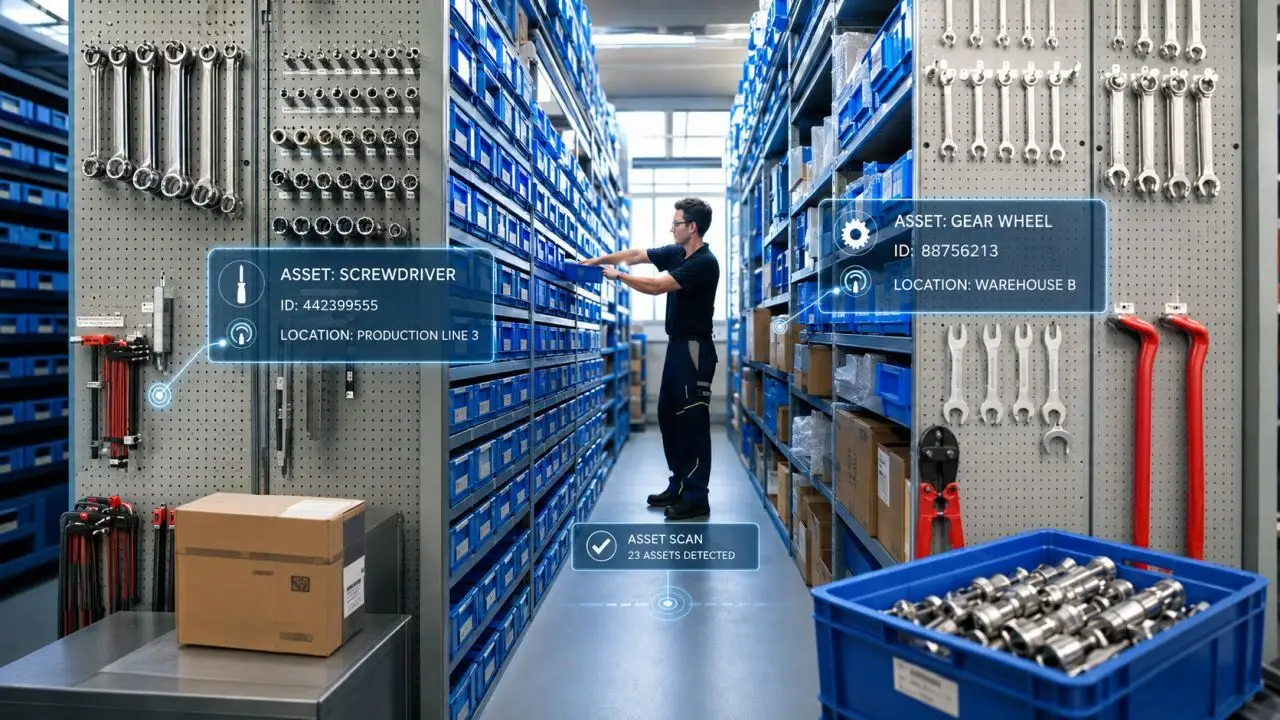
RFID-based tracking starts with a simple principle: tools, component carriers, or sensitive components are fitted with a transponder and automatically recorded at defined process points — such as in tool issuers, at setup stations, on production lines, in goods receiving, or upon return to cleaning and calibration.
Sylvo Jäger describes tracking in deliberately pragmatic terms: “We give tools and components a digital identity. Then it’s always clear: What is it, where is it, and when was it where in the process?”
The decisive step — and the point that often elevates tracking projects from “useful transparency” to “process-relevant benefits” — is the combination with sensor technology. Because with sensitive components, it’s not just the location that matters, but also the condition: temperature, humidity, or shock events can determine quality and approval.
Related Hardware
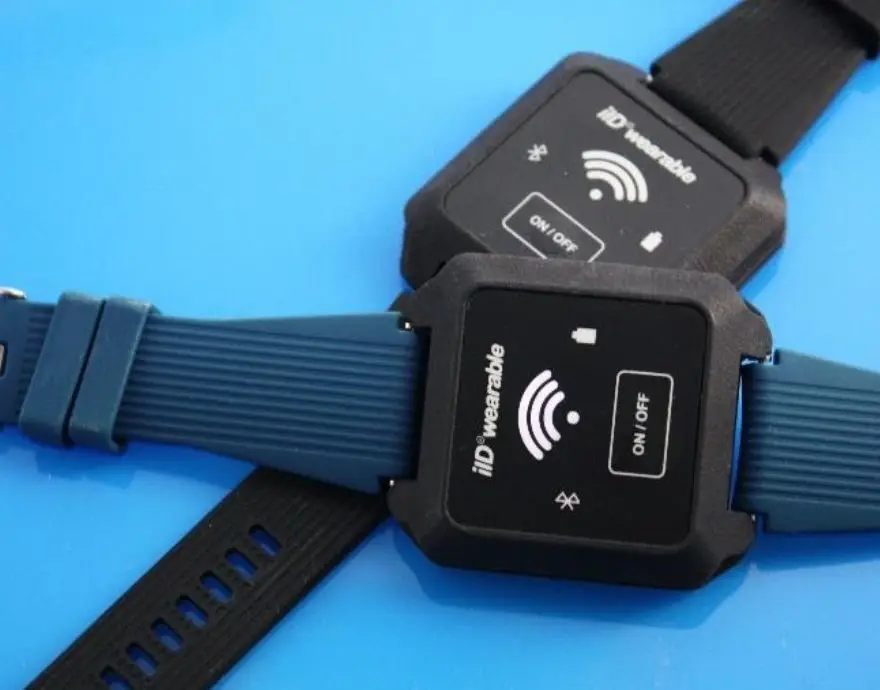
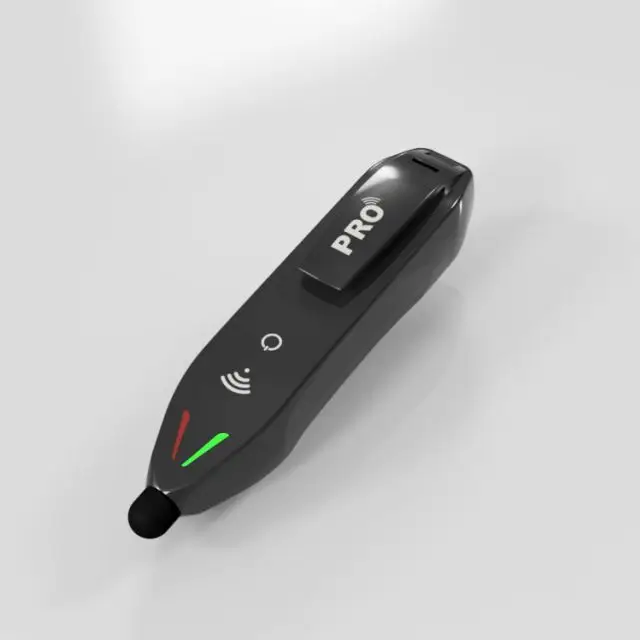
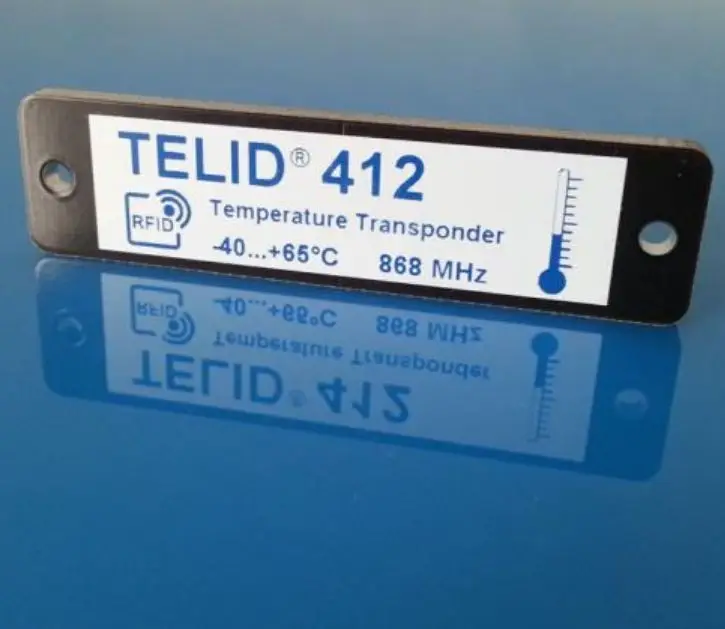
“For many users, it’s not enough to know where a part has been. With sensitive components, what happened along the way also matters — temperature, humidity, or shock events. That’s exactly where sensor RFID shows its strength,” says Sylvo Jäger.
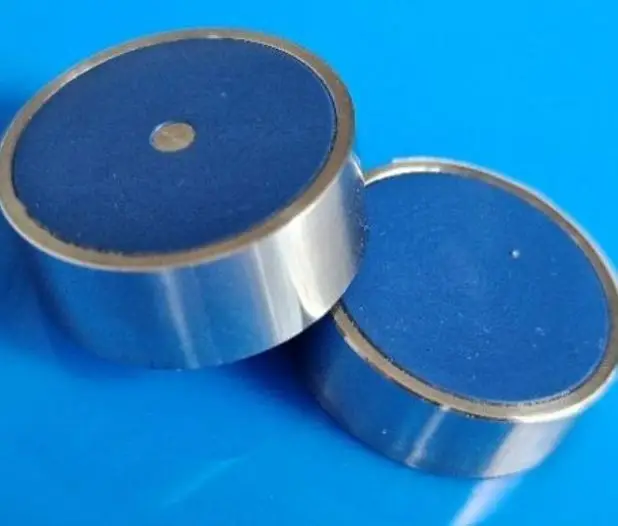
Technologically, Microsensys relies, among other things, on passive UHF sensor transponders that can record temperature values and are suitable for use on metal or plastic; standards such as ISO 18000-6C / EPC UHF Class 1 Gen2 are cited as a basis. Depending on the variant, the measurement range and design vary; one example from the portfolio specifies, for instance, –20 °C to +125 °C with a resolution of 0.5 K.
Integration without a “Big Bang” — why pilot projects work so well
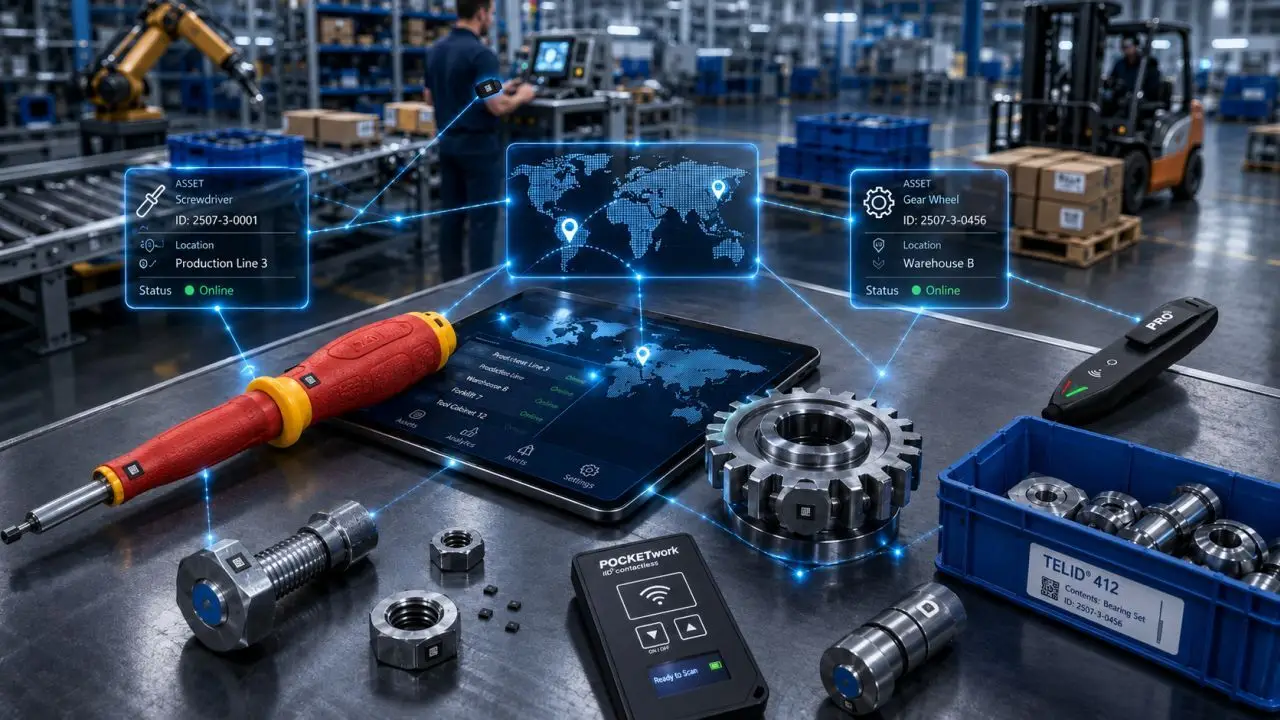
Many companies are not put off by the idea itself, but rather by the perceived integration effort. In practice, however, tracking can often be introduced step by step — and that is precisely why the technology is considered a “low-risk” digital project in industry.
“No one has to overhaul their entire IT landscape for this. We typically start with a clearly defined pilot — and only scale up once the benefits are measurable,” explains Sylvo Jäger, describing the typical implementation model.
It is important that the data does not just end up “somewhere,” but in the systems that manage day-to-day operations. “The key is that the data ends up where it is needed — in the MES, the ERP, or the maintenance system. To achieve this, we rely on standardized interfaces and a pragmatic integration approach.”
Concrete examples from industry: Where tracking really saves money
For example, in tool pools in series production. Specialized tools move back and forth between the issuing station, the production line, maintenance, and cleaning. Without precise transparency, search times, duplicate purchases, and downtime occur. With RFID, transfers are automatically documented, and sensors can additionally verify whether tools were exposed to thermal stress or incorrect cleaning cycles, for example.
For measuring instruments and calibration objects — e.g., in laboratory technology or aviation — it is not only availability that matters, but also proof of when which measuring instrument was used where and whether it was calibrated. RFID tracking can automate documentation, and sensors can record process conditions.
When sensitive products such as medications or food must be transported under refrigerated conditions within a specific time window, temperature sensors document the status throughout the supply chain.
Making processes auditable is a growing trend, particularly from a regulatory perspective. With the Ecodesign for Sustainable Products Regulation (ESPR), the EU has created a framework that paves the way for greater transparency and digital product information. Even though DPP obligations are phased in depending on the product group, pressure is mounting on companies to be able to provide clear evidence of material and process data.
Robustness determines acceptance, not PowerPoint
In industry, tracking rarely fails because of the concept itself, but rather because of the environment: metal, vibration, cleaning chemicals, humidity, and temperature fluctuations.
“Tracking must not only work in the lab. Tags and readers must withstand metal, moisture, cleaning, and the day-to-day reality on the shop floor — otherwise, a digitization project quickly reverts to a manual side project,” explains Sylvo Jäger.
This is precisely why tag selection — on-metal, housing, and mounting — reader positioning (cabinet/portal/handheld), and process design (where data is captured, who confirms it) are often more important than “pure radio technology.”
Where the ROI typically comes from
When it comes to cost-effectiveness, some decision-makers initially look at tag prices, but the ROI usually comes from process levers:
less search time (minutes per shift add up significantly)
fewer downtime minutes due to missing tools
less shrinkage and duplicate procurement
less manual documentation
better quality documentation (fewer escalations, fewer “unresolved cases”)
The bottom line: Tracking provides data that was previously missing, thereby giving end users a digital edge. Those who make their tools and sensitive components digitally visible can build on that foundation: test equipment management, maintenance logic, quality workflows, and later, analytics.
What are the costs of implementation?
The costs of an RFID tracking project depend heavily on the scope of the application. Generally, they consist of three components:
1. RFID transponders (tags)
For simple identification, costs are often in the range of a few euros per tag, while more robust industrial tags or sensor transponders — such as those used for temperature measurements — can be significantly higher.
2. Readers and infrastructure
Stationary RFID readers, mobile handheld devices, or integrated reading systems on machines constitute the second cost component. Depending on the application, individual reading points can cost anywhere from several hundred to a few thousand euros.
3. Integration and Software
Added to this are costs for software integration, data management, or visualization. In many projects, this effort is limited to interfaces with existing systems or simple dashboards for process monitoring.
Where does the economic benefit come from?
The economic benefit usually stems not from the technology itself, but from process improvements. Companies that use RFID tracking frequently report significantly reduced search times for tools, better availability of critical resources, and more reliable documentation of production processes.
Especially in large manufacturing environments, even small efficiency gains can have a significant impact. When employees spend several minutes each day searching for tools or components, this quickly adds up to a significant cost factor across shifts and locations.
Digital tracking solutions help make such losses visible and systematically reduce them.