
- Responsibility in leadership must remain with decision-makers and cannot be delegated to ensure swift actions.
- Excessive meetings and bureaucratic processes hinder productivity and delay critical decisions.
- Direct and open communication fosters quicker problem resolution and cultural improvement within organizations.
- Modernizing processes, embracing new work models, and focusing on sustainable growth are vital for long-term business success.
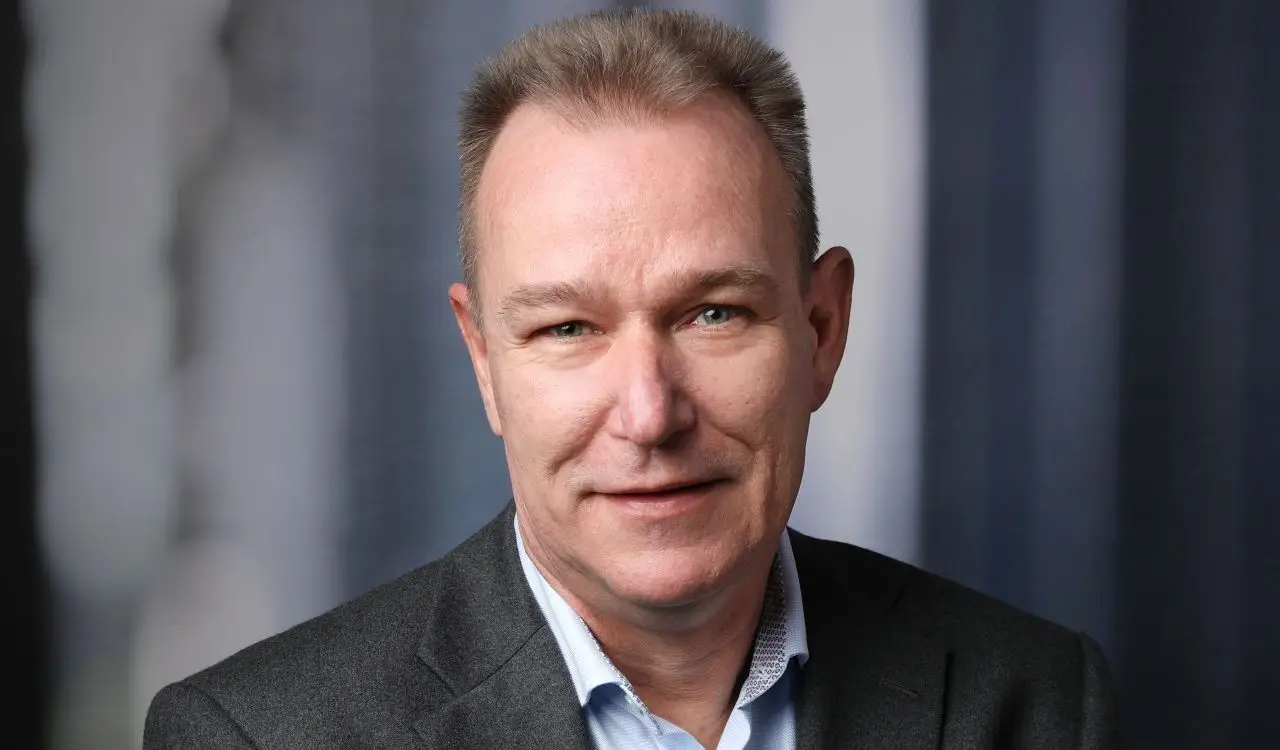
“I bring nearly 30 years of leadership and project experience to the table—and just as much insight into what makes companies strong and what holds them back,” says Michael Neukranz, the new Managing Director of Thales DIS BPS Germany. “Responsibility cannot be delegated. Decisions must be made quickly.”
He has embarked on his new role with this clear mindset. His professional career has taken him through international production networks in Europe, North America, and Asia, through complex corporate structures, lengthy decision-making processes, and demanding leadership roles in the automotive sector.
Today, he brings this experience to a company that offers him one thing above all else: proximity to the business, direct communication, and genuine creative freedom.
In conversation, it becomes clear how deeply these experiences have shaped him—and how clear his ideas about leadership and responsibility are today.
You worked at Bosch for a long time. What particularly shaped you there?
Michael Neukranz: I worked in the automotive sector for nearly 30 years, primarily in the field of electronic components—from sales and development support to production management involving hundreds of millions of euros. What increasingly frustrated me were the lengthy decision-making processes.
In the end, it sometimes took as many as 17 signatures for relatively minor decisions—from people you didn’t even know. Such structures lead to processes taking unnecessarily long and decisions being made centrally, without sufficient connection to the front lines. The administrative burden is simply very high in large international corporations.
What were your goals when you started at Thales?
Michael Neukranz: First and foremost, it was about getting to know the company, the employees, as well as customers and suppliers. Thales DIS BPS Germany is a small company with mid-sized structures—embedded within a large corporation. This environment is exciting because it offers room for creativity.
My goal is to meaningfully apply proven standards from my previous career, while simultaneously simplifying processes and standardizing them where necessary.
Did you immediately feel that Thales was the right fit for you?
Michael Neukranz: Yes, absolutely. I felt very quickly that this was the right fit. I enjoy it, and I have the opportunity to make changes and drive things forward.
How did you find your first few weeks in the smart card industry?
Michael Neukranz: The first few weeks were intense—I was literally “swamped” with many issues and concerns right from the first week. At the same time, it quickly became clear that many of the initial problems are much easier to solve than they initially appear—especially if you approach things pragmatically.
I’ve found myself in a very interesting environment with plenty of direct customer contact and, above all, decision-making processes that are significantly shorter than in large corporations. Many things work surprisingly differently—in particular, much more pragmatically and solution-oriented.
For me, this was also a very reassuring confirmation: successful, value-adding business activity is possible even in a high-wage location like Germany—if everyone focuses on the essentials and consistently works toward economic success.
The meeting culture is also striking. Whereas I used to often have the impression that 80 percent of the time was spent in meetings and 20 percent on actual work, here I experience it more the other way around.
Communication is a key point for me. When we have a problem, we speak directly with one another—no long email chains, but simply picking up the phone. Many issues can be resolved quickly and efficiently this way. I am convinced that this is precisely where an important part of the necessary cultural shift lies.
My clear recommendation to managers is therefore: Make sure your employees aren’t constantly tied up in meetings, but can actually work productively. A single hour-long meeting with many people who are only indirectly involved can quickly cost several thousand euros and often delivers significantly less value than a targeted, direct conversation.
What challenges do you currently see for Thales DIS BPS Germany?
Michael Neukranz: The most important task is securing the long-term future of the location. To do this, we must actively nurture our customer and supplier relationships—not just process orders, but communicate proactively. At the same time, there is a need for modernization: in IT, our website, and internal collaboration. In some areas, we are still working with structures that are more reminiscent of the 2000s.
Where do you see a specific need for action?
Michael Neukranz: We need to modernize processes and make them more efficient. This also includes enabling new work models—such as remote work or modern mobility solutions. At the same time, we must secure our existing, economically successful core business and free up resources from it to tap into new business areas. Growth is a clear goal—including in terms of personnel.
What is particularly important to you personally as managing director?
Michael Neukranz: Decisions must be made clearly, and responsibility should not be unnecessarily distributed. An open culture of communication is also important to me: If there’s a problem, we talk to each other directly, not via email. Just give me a call.
Many problems can be solved quickly if you address them openly. And: Always looking for the blame outside doesn’t get us anywhere. What matters is developing solutions ourselves and staying creative.
Your conclusion after the first few months?
Michael Neukranz: I see enormous potential. Many of the challenges are solvable—often easier than you might think. The key is having the courage to tackle issues and question existing structures. That’s exactly what appeals to me about this role.