Key takeaways
- OPC UA standardizes interfaces for diverse AutoID devices.
- Companion Specification enables vendor-neutral interoperability.
- Supports multi-layer scalability from field to IT systems.
- Extensible models ensure semantic interoperability.
- Built-in cybersecurity safeguards communication.

Talk to the product expert
Alexander Allmendinger, Test Lab Manager
Detailed product information
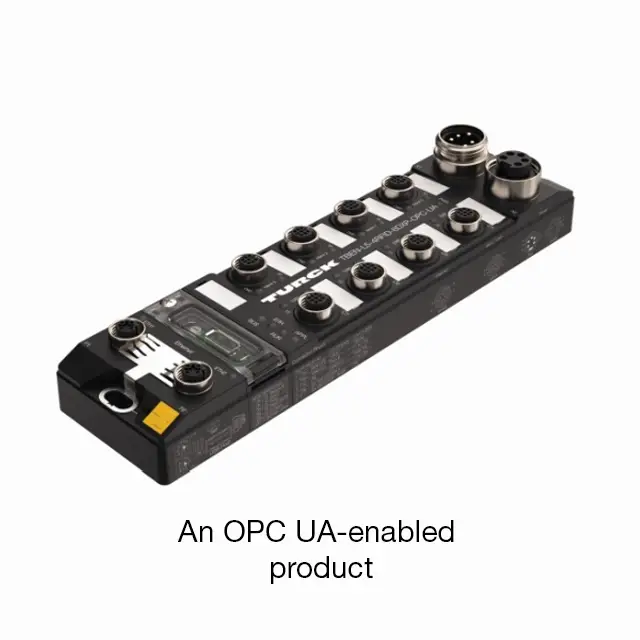
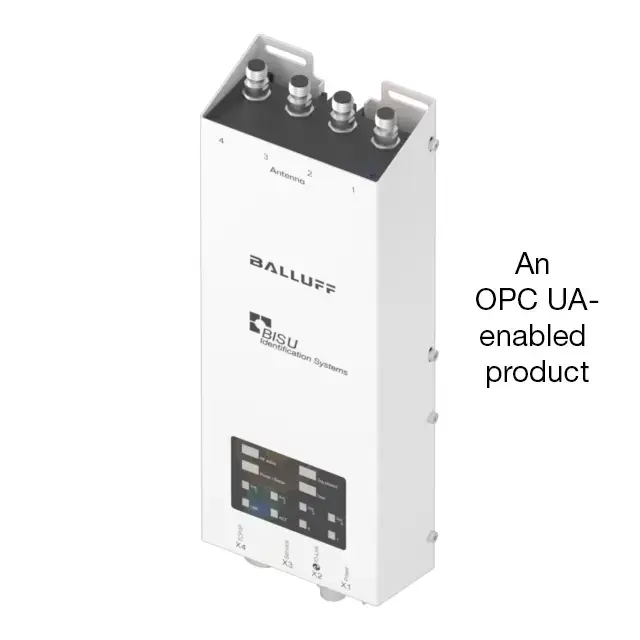
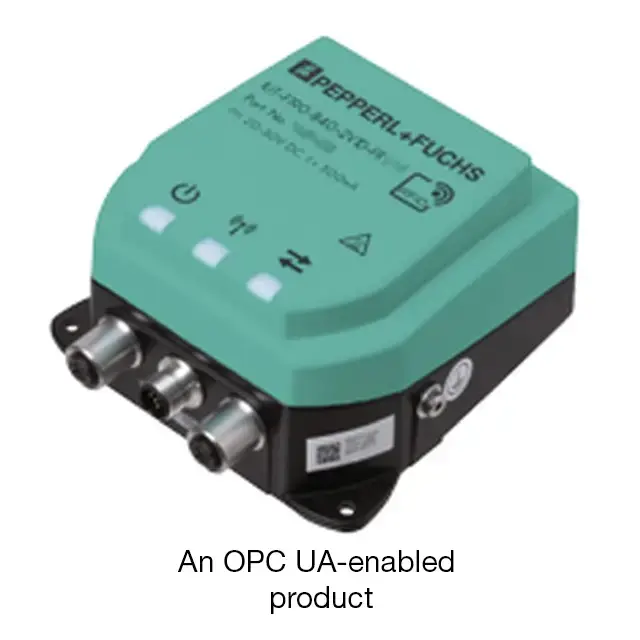
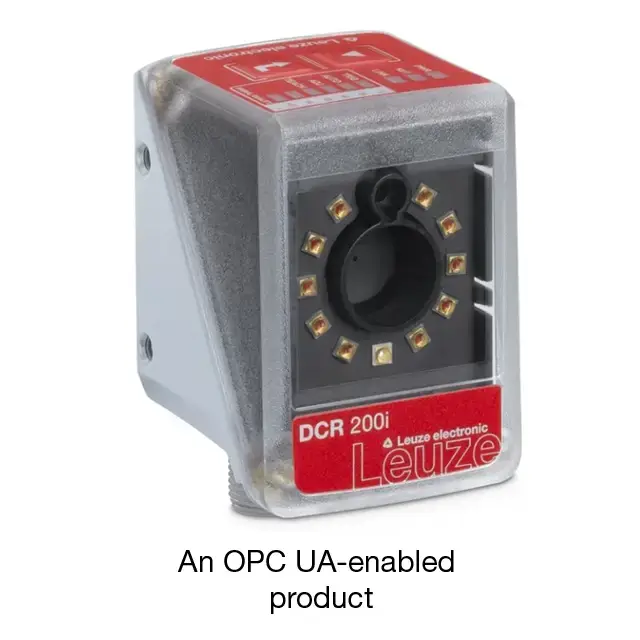
Manufacturer- and technology-independent, OPC UA provides a unified communication interface for AutoID. It enables standardized integration of 1D/2D code readers, HF RFID, UHF RFID, and Real-Time Location Systems (RTLS) across vendors and device types.
The OPC UA Companion Specification for AutoID Devices has been available since 2016 and is supported by many well-known manufacturers. It is the result of a successful collaboration between the OPC Foundation and the AIM Association, delivering “living interoperability” with all key OPC UA benefits, including built-in cybersecurity features.
Designed for scalability, OPC UA spans multiple application levels, from the field layer (identification devices, sensors, PLCs) to enterprise and IT systems. Its extensible information modeling approach allows new models to be built on the OPC UA data model and base information models.
These Companion Specifications act as industry-standard information models, enabling not only connectivity but also semantic interoperability through a shared, machine-readable understanding of AutoID data.
Product Images