
Methods2Business HaLowEdge™ links Wi-Fi HaLow™ and Edge AI

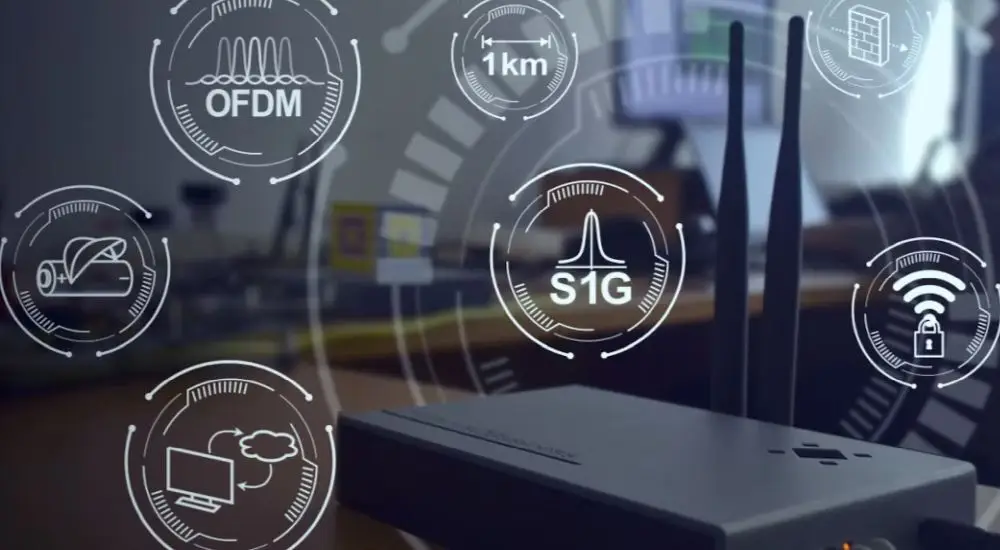
Think WIoT reports that Methods2Business (M2B) is tying Wi-Fi HaLow™ (IEEE 802.11ah) to the practical needs of industrial automation by combining it with on-device Edge AI in its HaLowEdge™ platform.
The premise is simple: in modern factories, machines must stay connected across tough RF environments and still react fast enough to improve operations, especially as robotics and sensor density grow.
From “connected machines” to “connected machines that think”
HaLowEdge™ blends smart long-range connectivity with local intelligence. Rather than streaming raw sensor data to the cloud and waiting for decisions to return, devices can process data locally and transmit only what’s relevant. That reduces network load, cuts latency, and makes system behavior more predictable when conditions are less than ideal.
Use case: industrial automation and robotics
Industrial environments are difficult for wireless. Concrete, metal, moving equipment, and large footprints can quickly expose the limits of conventional connectivity. In the scenario M2B describes, HaLowEdge™ supports factory and warehouse automation where robots and distributed sensors need to stay linked while also identifying anomalies, anticipating failures, and acting quickly to keep operations efficient.
Why Wi-Fi HaLow™ is the backbone in factories
Wi-Fi HaLow™ operates in the sub-1 GHz band (750–950 MHz) and is designed for IoT constraints such as long-range coverage and robust penetration through obstacles. That makes it a strong fit for large sites where signals must travel farther and pass through challenging materials. HaLow also keeps the practicality of Wi-Fi-style networking, including IP-based communication and modern security foundations.
What Edge AI adds beyond connectivity
Edge AI brings the “thinking” to the device. By running inference locally, systems can respond in near real time without depending on cloud round trips, while also sending far less data over the network. The result is faster reaction, lower bandwidth demand, and a cleaner path to scaling intelligent behaviors across many endpoints, especially when reliability, efficiency, and privacy matter.
What is your opinion?
Do you see Wi-Fi HaLow™ + Edge AI becoming the default architecture for industrial robotics and smart factories, or will other approaches win out? Share your view with Think WIOT and tell us which industrial use cases you think are the best fit for HaLowEdge-style designs.