HID: Modernize Access Control Without Disrupting Operations


HID has published a new access control modernization approach focused on legacy credentials, aging readers and outdated communication protocols. The phased migration model is designed to help organizations strengthen credential security and reader-to-controller protection without replacing entire access control infrastructures at once.
Access control systems can remain in service for years or even decades. Doors still open, cards still work and employees continue to enter buildings without obvious problems.
But continued operation does not necessarily mean continued security.
Older card technologies may lack mutual authentication, diversified cryptographic keys and secure credential storage. Legacy readers and controller interfaces may also rely on outdated or unencrypted communication. These weaknesses can increase exposure to credential cloning, unauthorized use and attacks on the communication path between readers and controllers.
The challenge becomes more complex when newer cards, mobile credentials and digital identities are added without removing legacy technologies. Mixed environments can then become permanent, leaving organizations with different levels of protection across locations, users and access points.
Access Control Security Extends Beyond the Card
Modern access security depends on the complete credential chain.
That includes the credential itself, the reader, reader-to-controller communication, the controller, access management software and identity and credential lifecycle management.
A secure credential cannot fully protect an environment if communication between the reader and controller remains exposed. Likewise, modern readers deliver limited benefit if users must continue relying on vulnerable legacy credentials.
Modernization therefore requires a system-level approach.
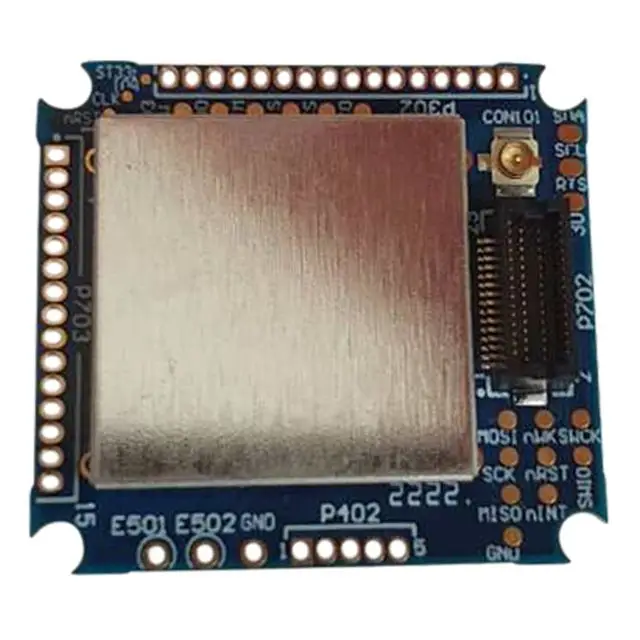
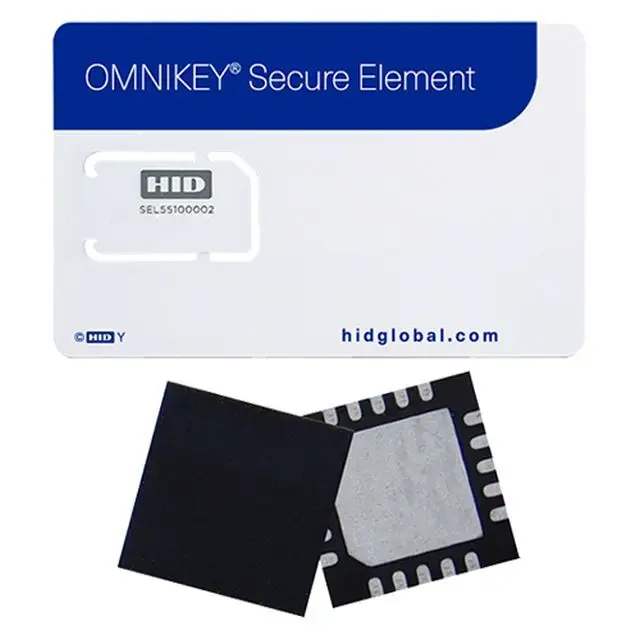
Related Hardware

Why Legacy Access Control Persists
Access control infrastructure is often difficult to prioritize because it rarely fails dramatically.
If a door continues to open, the system appears functional. Security risk develops much more quietly than an application outage or a failed network service.
At the same time, organizations face competing investments in cloud security, endpoint protection, identity management and application modernization.
Ownership can also be fragmented between security, IT, facilities and enterprise identity teams. Without clear responsibility, access control upgrades are repeatedly postponed even when known weaknesses remain.
Physical Access Is Becoming Part of Enterprise Cybersecurity
The boundary between physical and digital identity is becoming increasingly blurred.
Organizations are now managing combinations of physical smartcards, contactless credentials, mobile credentials, digital wallets, enterprise identities and multi-application credentials.
This convergence means access control increasingly forms part of the wider cybersecurity and identity architecture.
Modern systems can support stronger credential authentication, encrypted communication, centralized credential management and faster revocation while also improving compliance, auditability and operational resilience.
This is particularly relevant for critical infrastructure, industrial sites, healthcare environments, data centers and large enterprise campuses, where physical access and digital identity are increasingly interconnected.
Modernization Does Not Require a Complete Replacement
One of the biggest barriers to modernization is the assumption that organizations must replace their complete installed infrastructure at once. That is often neither financially nor operationally realistic.
A phased migration strategy provides another path.
Organizations can first identify the most vulnerable technologies, critical locations and outdated communication interfaces, then modernize them in manageable stages.
This allows security to improve while existing operations continue.
Build a Phased Migration Plan With HID
Many access control systems still work as expected — but what if they are quietly increasing risk?
Legacy readers and credentials were not designed for today’s threat environment, yet replacing everything at once is unrealistic for most organizations.
HID makes it possible to modernize without unnecessary disruption.
With a phased migration strategy, organizations can strengthen protection, continue supporting existing credentials where necessary and introduce modern capabilities over time — without interrupting day-to-day operations.
Why Start Planning an Upgrade With HID?
Stay secure — Address hidden physical and cybersecurity risks before they develop into a security incident.
Avoid disruption — Break modernization into manageable stages and upgrade infrastructure gradually while maintaining operational continuity.
Be future-ready — Introduce advanced credential and reader technologies that can expand and adapt as security, identity and operational requirements evolve.
A phased approach allows organizations to move from legacy credentials and readers toward a stronger, more flexible access-control architecture at a pace that fits their environment, budget and timeline.
Start planning your phased migration with HID and explore the upgrade path that fits your organization. Connect with one of our experts today!
Learn more about HID’s access control modernization approach: https://campaigns.hidglobal.com/upgrade