RFID Brings End-to-End Visibility to Hazardous Materials in Manufacturing

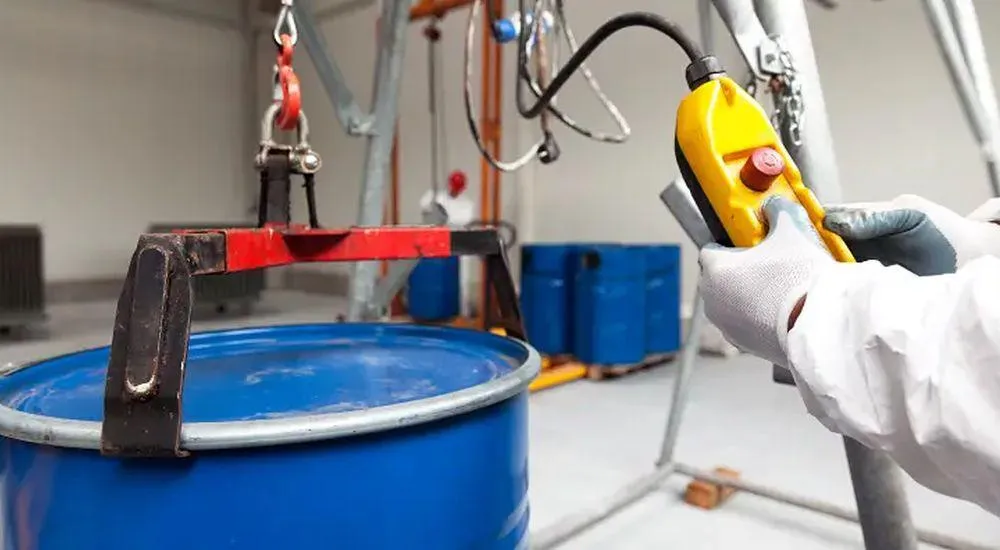
HID outlines how RFID can improve hazardous materials management in manufacturing by replacing fragmented manual records and line-of-sight barcode scans with automated identification, more timely movement data and lifecycle documentation from receipt through disposal.
Manual Processes Create Critical Visibility Gaps
Chemicals, gases, flammable liquids and biohazards are essential to many manufacturing processes, but their movement, storage and use require consistent identification and documentation. Gas cylinders present an additional challenge because they are frequently moved, exchanged or connected to distribution systems.
Many facilities still rely on handwritten records, spreadsheets or barcode scans at individual checkpoints. These methods depend on employees recording every movement correctly and at the required time. Missed scans, delayed entries or incorrectly returned containers can quickly create gaps between physical inventory and system data.
The consequences extend beyond inaccurate stock levels. Incomplete identification and tracking data can increase the risk of improper handling, slow down emergency response and make it more difficult to demonstrate compliance during audits or inspections.
Automated Identification Without Line of Sight
RFID does not require direct line-of-sight scanning. Tagged containers or assets can be identified automatically as they move through a facility, reducing the dependence on employees manually recording every interaction.
This changes hazardous materials tracking from a sequence of isolated updates into a more continuous data process. Manufacturing teams can gain a more current view of where materials are located, how they are moving and whether handling processes follow the expected workflow.
RFID-based alerts can also highlight unexpected movements or deviations from defined processes. This allows responsible teams to investigate issues earlier, before an incorrectly stored container, missing cylinder or documentation gap develops into a larger safety or operational problem.
Tracking from Receipt Through Disposal
The value of RFID is not limited to storage and production. Hazardous materials must remain traceable as they are consumed, returned, classified as waste or transferred off-site for disposal.
Extending identification into waste handling supports more complete lifecycle documentation. Movement and shipment records can remain connected to the material or container, reducing manual recordkeeping and helping organizations maintain auditable information from receipt through final disposal.
For end users, this can improve confidence in inventory and compliance data. For system integrators and solution providers, the project relevance lies in designing RFID workflows that cover storage, production, return processes and waste handling rather than automating only individual scan points.
RFID Supports Safer and More Controlled Processes
Clear identification and more timely movement data help ensure that the correct materials are used in the correct processes. During an incident, reliable information about the location and identity of hazardous materials can also support faster containment, evacuation or mitigation measures.
RFID therefore serves not only as an inventory technology, but as a data foundation for safety, operational control and lifecycle accountability. The effectiveness of the solution depends on consistent identification across every stage at which hazardous materials are received, moved, used and disposed of.
Read more in the original HID article: https://blog.hidglobal.com/rfid-hazardous-materials
Bring Hazardous Materials Tracking Under Control
Replace fragmented records with an RFID-based process that supports automated identification, lifecycle visibility and auditable documentation. Contact HID to discuss the right RFID approach for your manufacturing environment.