
RFID in the Meat Industry: From Traceability Risk to Operational Control

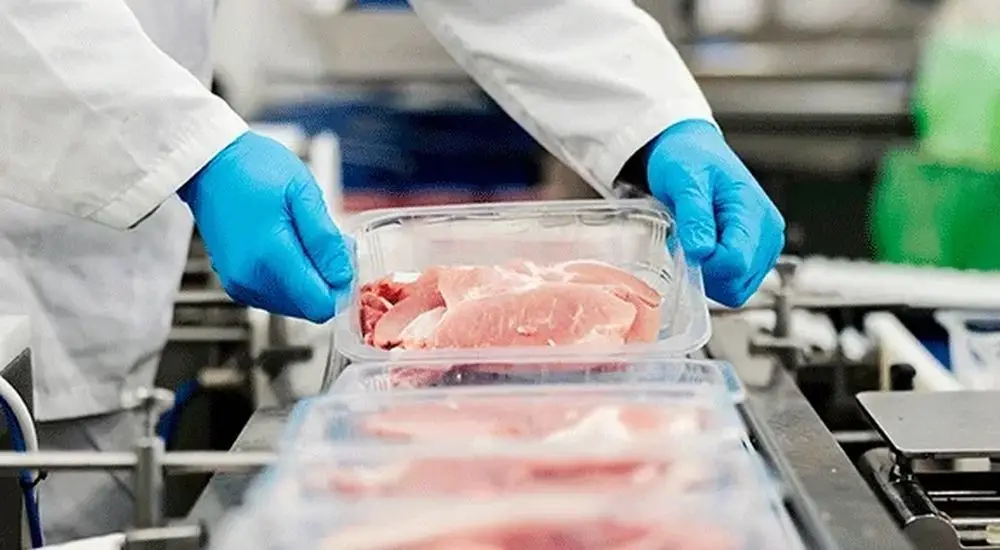
Dipole RFID has published a practical use case showing how UHF / RAIN RFID can deliver end-to-end traceability, real-time inventory visibility, and automated shipment validation in meat processing and cold-chain logistics, even under tough conditions such as cold rooms, humidity/condensation, intensive handling, and high product turnover.
In many meat operations, traceability still depends on manual records or one-by-one barcode scans. In high-speed environments, that often results in errors, rework, delays, and limited visibility across production and logistics.
RFID addresses these challenges through contactless bulk reading, automatically capturing assets, pieces, and batch-level movements and creating traceability events that can be integrated with ERP, WMS, or MES systems for real-time control.
RFID can be applied across the value chain. In slaughterhouses, RFID identification on hooks supports automated tracking through production lines while maintaining correct association between animal, carcass, and batch. In cutting and processing, RFID on trays enables granular lot control and real-time production visibility.
In cold storage, RFID enables faster location of specific pallets and batches and supports automated inventories without manual handling. At shipping docks, RFID portals can automatically verify pallet loads and validate outbound shipments, creating digital proof that the correct goods were dispatched to the correct destination.
Measurable improvements with RFID
In a representative deployment referenced by Dipole RFID, a meat processing company achieved measurable results within six months:
80% reduction in dispatch errors
Cold-room inventory time reduced from 6 hours to 25 minutes
Immediate location of specific batches
Improved performance in traceability audits
ROI achieved in under 12 months
Read the complete Dipole RFID case study here.