RFID-Based Tire Identification for Motorsport Applications

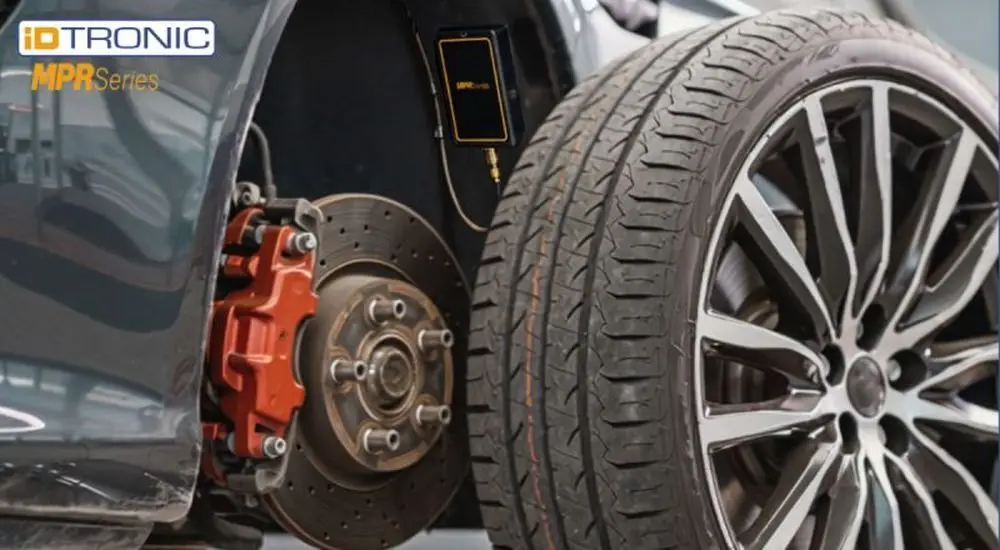
Reliable tire identification under extreme racing conditions is a critical requirement in professional motorsport. iDTRONIC addresses this need with its MPR Series UHF RFID reader, enabling automated tire tracking and data integration directly within the vehicle environment.
UHF RFID Integration in Wheel Housing
In this application, the MPR Series UHF RFID Reader IA from iDTRONIC, with “IA” standing for Integrated Antenna, is mounted directly inside the wheel housing. The reader captures data from a UHF RFID tag embedded in the tire. This setup enables consistent identification even under high speeds, vibration, and temperature fluctuations typical of racing environments.
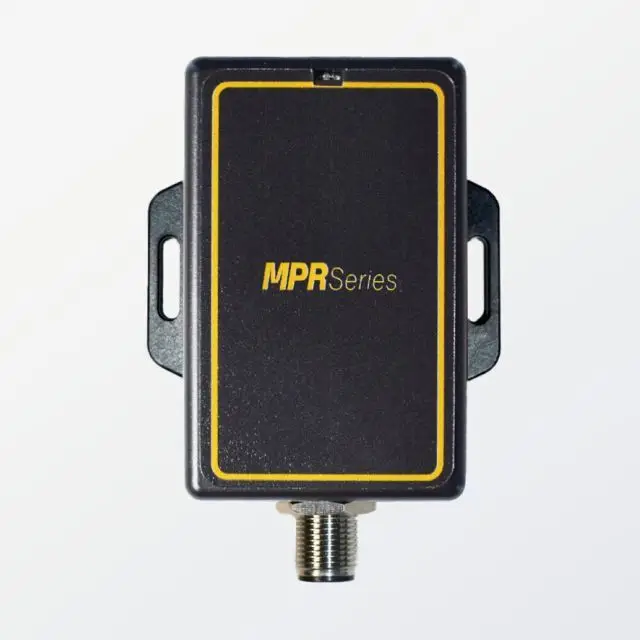
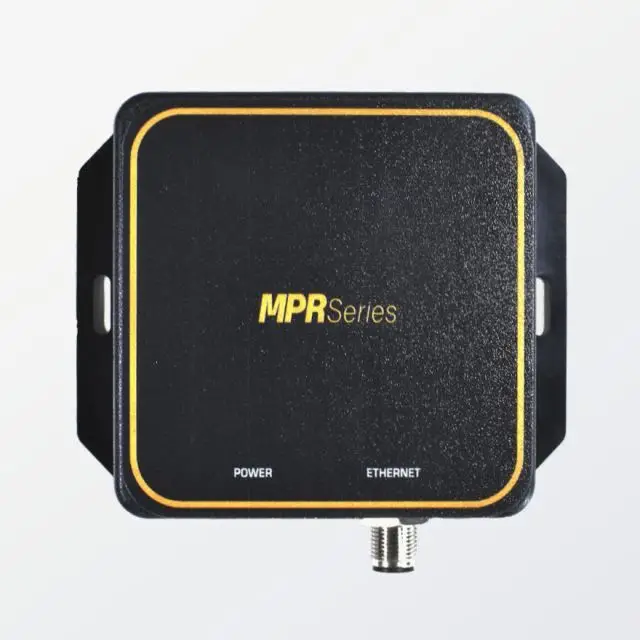
The reader supports EPC Gen2 and ISO 18000-6C standards, which are widely used in UHF RFID systems. With an integrated antenna and an IP67-rated housing, the device is designed for operation in harsh conditions, including exposure to dirt, moisture, and mechanical stress.
Current State of RFID Embedded in Tires
RFID embedded directly into tires is already established in industrial applications, particularly in logistics, fleet management, and manufacturing. Most solutions today are based on passive UHF RFID technology compliant with EPC Gen2 / ISO 18000-63 standards.
Industry standards such as ISO 20910 and ISO 20912 define data structures and performance requirements, enabling consistent identification and interoperability across the tire lifecycle. Technically, embedded tags are designed to withstand curing processes, mechanical deformation, and long-term operational stress.
In practice, passive embedded UHF tags dominate due to their durability, maintenance-free operation, and suitability for lifecycle tracking.
Due to the challenging RF environment of rubber and steel components, read ranges are typically shorter than in open environments. This makes reader placement and system integration, as seen in motorsport applications, a critical factor for reliable performance.
Data Transmission via CANopen
Captured tire data is transmitted in real time to the vehicle’s onboard management system or a data logger. Communication is handled via CANopen, a protocol commonly used in automotive and industrial control systems.
This direct integration enables seamless data exchange within the vehicle architecture. Additional interfaces such as RS232, RS485, USB, TCP/IP, and Modbus allow flexible integration into different system environments beyond motorsport.
Related Hardware
Enabling Full Tire Lifecycle Traceability
The system enables detailed tracking of each tire throughout race operations. This includes identifying which tire is mounted on which vehicle, as well as tracking usage over time.
Such transparency supports compliance with racing regulations, particularly where strict limits on tire usage apply. Real-time visibility also allows teams to monitor tire allocation and usage strategies more precisely during events.
Relevance for System Integrators and Motorsport Operations
For system integrators, the solution demonstrates how ruggedized UHF RFID hardware can be embedded directly into mobile and high-dynamic environments. The availability of a software development kit and support for C++ simplifies integration into existing telemetry and vehicle management systems.
For racing teams and organizers, the technology provides a reliable method to automate tire identification and documentation. This reduces manual processes, minimizes errors, and ensures consistent regulatory compliance.
Industrial RFID Technology in High-Performance Environments
While designed for industrial automation, logistics, and production control, the MPR Series demonstrates how standard UHF RFID components can be adapted to specialized use cases such as motorsport.
With a read range of up to 30 cm and robust connectivity options, the system highlights the flexibility of RFID technology in environments where reliability and precision are essential.
Request a consultation with iDTRONIC on integrating RFID into motorsport vehicle data systems.