
bonprix Tests Enhanced Digital Product Passport Ahead of ESPR

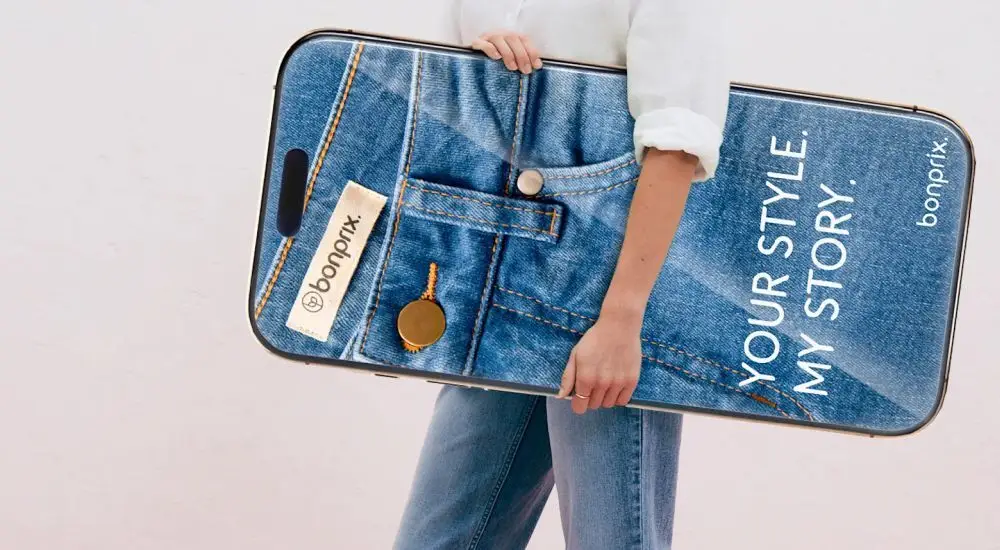
bonprix is equipping selected denim products with an enhanced Digital Product Passport. The pilot combines product and supply chain data with customer-facing content such as care instructions, styling ideas and service videos, ahead of future obligations under the European Ecodesign Regulation.
Digital Product Passport as a Customer Touchpoint
Fashion company bonprix is expanding the use of its Digital Product Passport (DPP) as part of its corporate responsibility activities. The company is introducing the DPP for a series of denim products and is using it not only to provide product and supply chain information, but also to offer practical content for customers.
The passport can be accessed via a QR code on the hangtag and in the woven label. According to bonprix, the project continues an initiative launched in 2024 and prepares the company early for the legal requirements expected under the European Ecodesign Regulation, also known as ESPR.
The technology partner for the pilot project is Narravero, a company that provides a platform for Digital Product Passports.

Beyond Compliance: Product Data, Care and Usage Information
The DPP pilot is designed to combine transparency, circular economy principles and product responsibility. It includes information on product material composition, life cycle and the usage phase.
bonprix is also adding content that goes beyond expected legal requirements. This includes outfit inspiration, styling ideas, care instructions and videos, for example with advice on how to shorten jeans.
The company positions the DPP as more than a static data set. From bonprix’s perspective, the digital product ID can become a service interface that helps customers understand, use and maintain products for longer. At the same time, it creates a digital touchpoint that remains active after the purchase.
Rollout Starts with Denim Assortment
The enhanced Digital Product Passport is being introduced across around 40 articles in the current denim range. These include jeans, shorts and skirts.
bonprix plans to expand the DPP to 100 denim products over the course of the year. The company selected denim because cotton is its most important material and because the category has strategic relevance within its assortment.
This makes denim a practical starting point for testing how product data, customer communication and sustainability-related information can be connected in one digital format.
Partnership with Narravero
For the pilot, bonprix selected Narravero as its DPP platform partner. According to the company, the choice was based on the requirement to integrate editorial content in addition to compliance-related product information.
bonprix states that supplier cooperation was also important for the project. The company refers to long-standing supplier relationships as a key factor in collecting and providing the necessary product and supply chain data.
The results of the pilot are intended to provide a basis for scaling the Digital Product Passport to further product groups in the future.
Related News
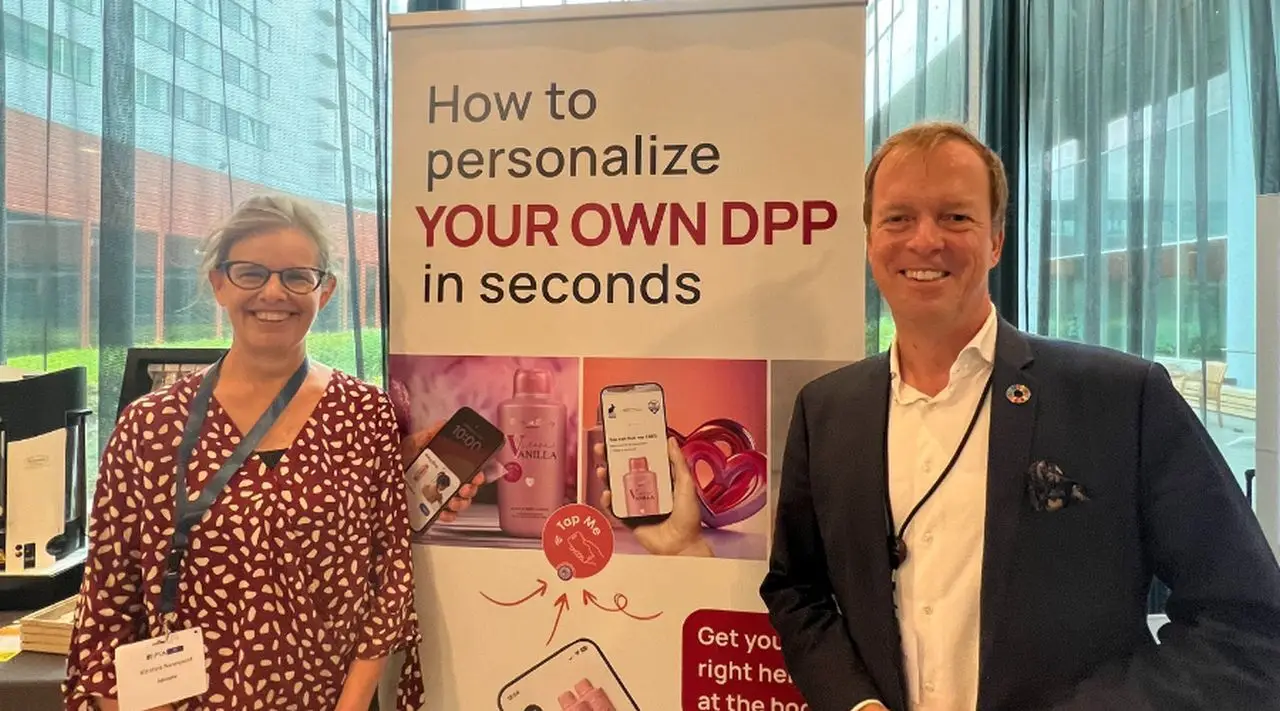

Identiv and Narravero Partner to Advance Digital Product Passports
Discover how Identiv and Narravero partner to simplify Digital Product Passports ahead of new EU regulations.


Amanosato Brewery connects Aru-Yoi sake with EM echo-V dual-frequency RFID
Discover how Amanosato Brewery integrates EM Microelectronic's dual-frequency RFID to connect Aru-Yoi sake with brand trust and traceability.

microsensys Drives Digital Product Passport Readiness with RFID and NFC
Explore how microsensys drives Digital Product Passport compliance with innovative RFID and NFC technology solutions for efficient product lifecycle transparency.
Relevance for Product Transparency and Circularity
The project reflects a broader development in the consumer goods sector. Digital Product Passports are expected to become an important tool for making product information more accessible and structured, especially in relation to sustainability, traceability and circular economy requirements.
For fashion companies, the DPP can connect regulatory preparation with customer communication. bonprix’s pilot shows how the format may be used not only to meet future data requirements, but also to support product use, care and longevity.