RFID Makes the Sortability of Packaging Measurable

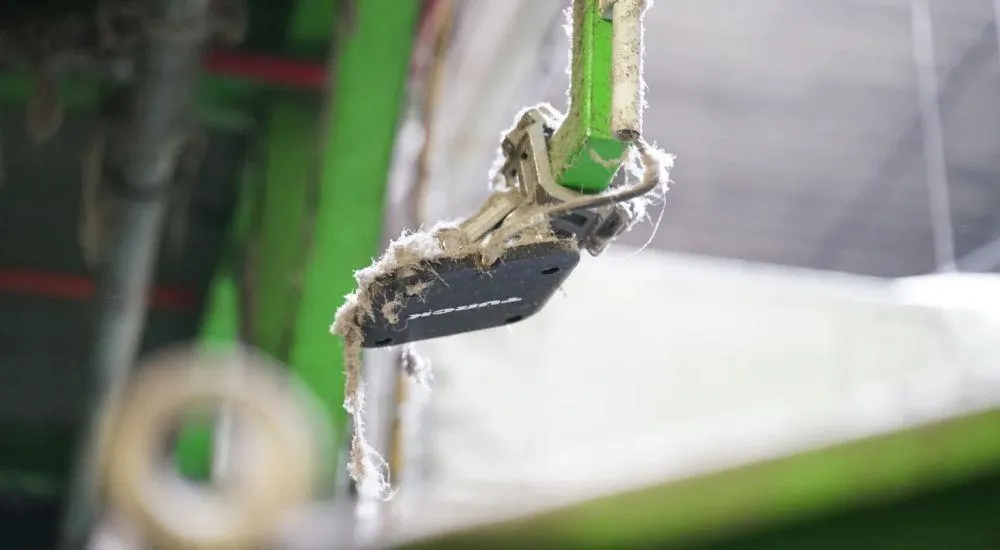
CIRCPACK by Veolia uses a track-and-trace system from its technology partner Turck Vilant Systems, a subsidiary of Turck, to track RFID-tagged test packaging through a real-world sorting facility. The data shows whether the packaging arrives in the intended material stream and supports development, evaluation, and certification.
Sorting Tests in a Real-World Waste Stream
At the Veolia facility in Ochtendung, Rhineland-Palatinate, approximately 90,000 metric tons of packaging waste are sorted annually into 13 material streams, including polypropylene, polyethylene, PET, metal, and paper.
CIRCPACK tests new packaging there under industrial conditions. The RFID system tracks the test packaging from feed-in to final sorting. This reveals which process stages the packaging goes through and in which material stream it ends up.
Material Alone Is Not the Deciding Factor
Whether packaging is sorted correctly depends on more than just the material. Size, shape, residual contents, and behavior on conveyor belts also influence the outcome.
Screening drums separate items by size; near-infrared sensors detect plastic and fiber packaging; magnets and eddy current separators separate metals. Air separators remove lightweight films. Very small parts are recycled thermally.
Cylindrical packaging can also cause problems: residual contents sometimes cause them to roll on the conveyor belt, causing them to miss the intended discharge point.
Nine Readers and 32 Antennas
The setup developed by Turck Vilant Systems comprises nine RFID readers and 32 antennas. They detect the tagged packaging at relevant transfer points and assign the read events to the respective process stages.
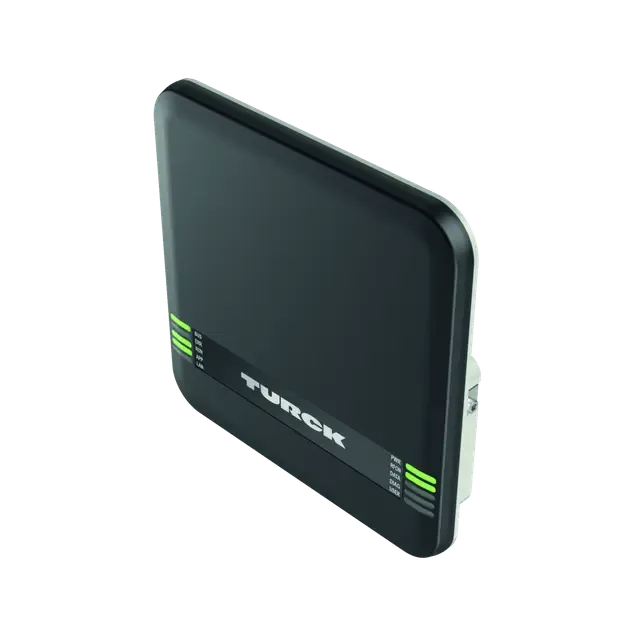
The system uses Q180 UHF RFID readers with an IP67 protection rating. Up to four external antennas can be connected to a single reader.

Data for Evaluation and Certification
The RFID results can be incorporated into CIRCPACK’s testing and certification processes. This provides manufacturers with real-world process data rather than solely theoretical material assessments.
CIRCPACK offers Design for Recycling for complete packaging, Recycling Assessment for individual countries, and a Letter of Compatibility for semi-finished packaging or components.
After collecting product and material data, sorting and reprocessing tests are conducted as needed. The results are incorporated into an audit report. The client then receives a project-specific certificate indicating the recycling class and, upon request, a recycling rate for selected European countries.
Real-World Data for Better Packaging
The RFID data shows where a packaging format is sorted correctly or why it does not reach the intended material stream. Shapes, materials, labels, and closures can then be specifically adapted accordingly.
Learn more: Read the TURCK case study and find out more about sorting tests and certifications at CIRCPACK.