Honduras Orders 2.9 Million RFID Licence Plates from Tönnjes

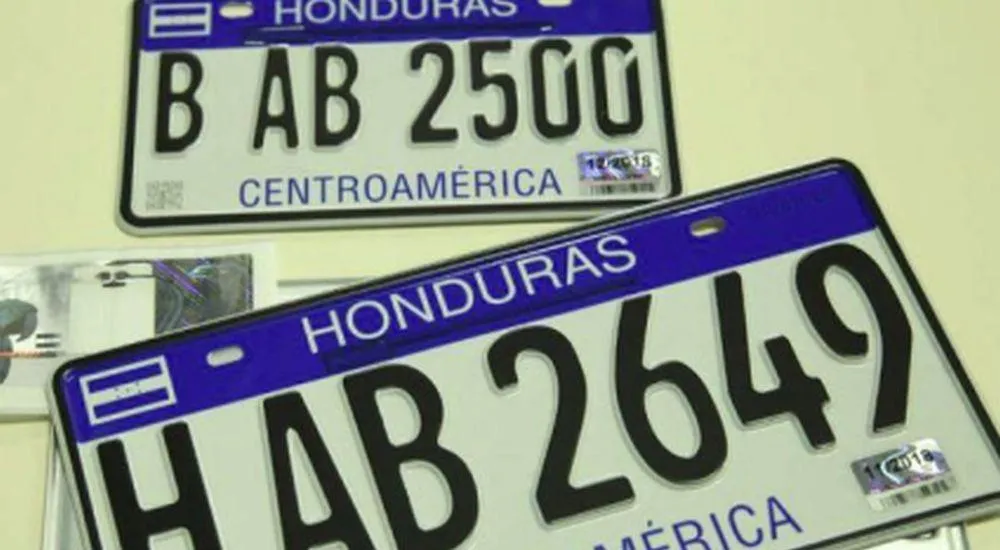
Honduras is modernising vehicle registration with RFID-based IDePLATE licence plates from Tönnjes. The three-and-a-half-year programme covers around 2.9 million smart plates and security stickers, a central data platform and a new local production facility.
Nationwide Response to a Long-Standing Plate Shortage
The Honduran government has signed a contract with German vehicle identification specialist Tönnjes to introduce smart licence plates across the country. The agreement was concluded on behalf of the Instituto de la Propiedad and is intended to clear a backlog of more than one million outstanding licence plates while covering projected demand through 2030.
Since 2023, hundreds of thousands of vehicle owners have had to use provisional paper permits while waiting for permanent metal plates. The new programme is designed to replace these temporary documents gradually and establish a stable, long-term supply of secure licence plates.
Nationwide distribution of the new metal plates is expected to begin shortly.
RFID Links the Physical Plate to a Digital Vehicle Record
The project covers approximately 2.9 million RFID-based IDePLATES and the associated IDeSTIX security stickers. The sticker, often described as a third licence plate, will be attached to the windscreen of a vehicle or to the headlamp of a two-wheeler.
Related Hardware

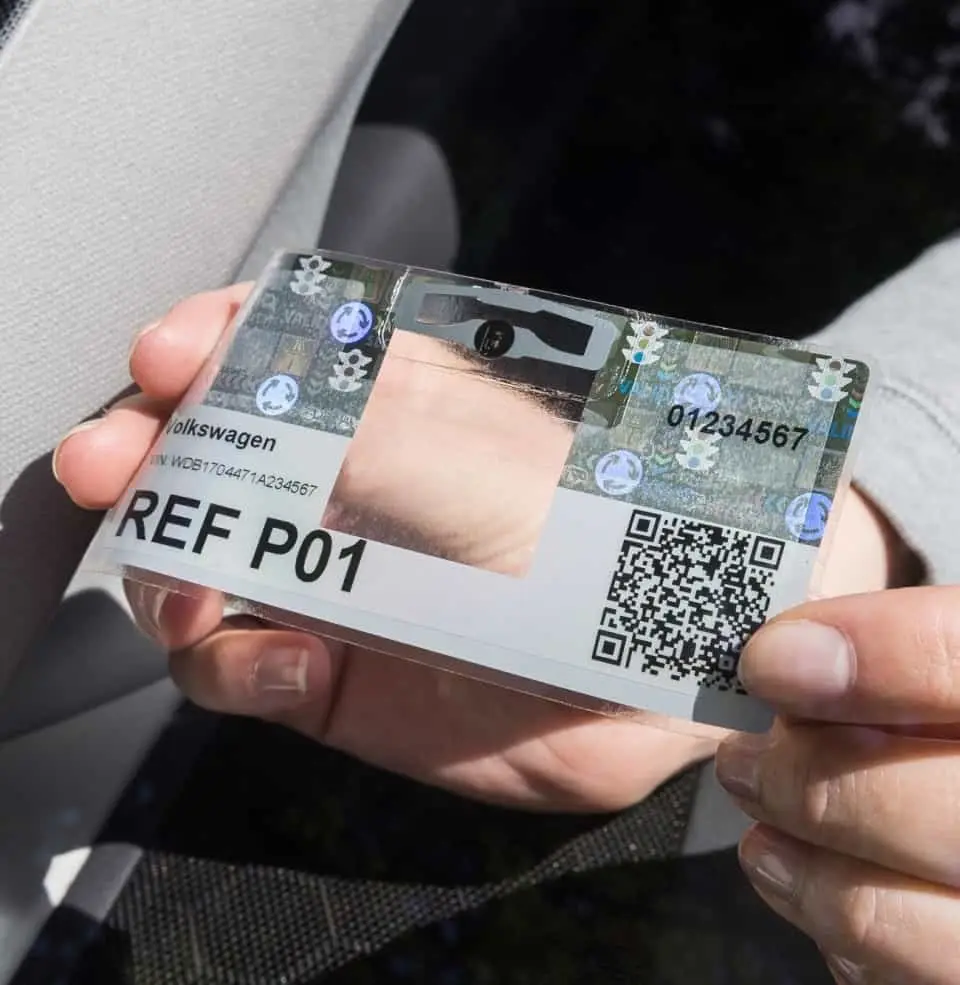
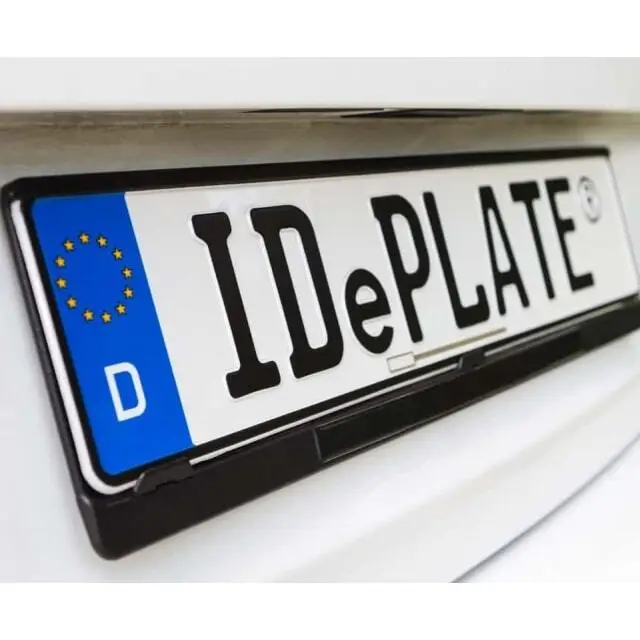
Together, the metal plate and security sticker create two physical identification points for the same registered vehicle. RFID technology and digital authentication are intended to make vehicle identification more reliable, reduce counterfeiting and strengthen administrative control processes.
The captured data will be processed through a central digital platform. The Instituto de la Propiedad and other public authorities will receive real-time access to vehicle information, including pending traffic fines and other matters associated with a registered vehicle.
The infrastructure is also intended to support the identification and control systems used by public authorities and the national emergency response centre.
Central Platform Connects Registration and Enforcement
For public authorities, the project goes beyond replacing paper permits with metal plates. It creates a digital architecture that links secure physical identifiers with centrally available vehicle records.
This combination can improve the consistency of vehicle registration data and enable authorised agencies to verify information without relying exclusively on visually inspected number plates. For system integrators, the project illustrates how RFID, secure credentials and backend platforms can be combined within a nationwide identification system.


Local Production Planned in Honduras
A key part of the contract is the construction of a production facility in Honduras. The facility is expected to create local jobs and establish domestic capacity for the manufacture and supply of secure vehicle licence plates.
Local production is also intended to support continuous availability beyond the initial backlog-clearing phase. The three-and-a-half-year contract therefore combines technology deployment with the development of a long-term production structure inside the country.
“This project combines modern security technology with local value creation and provides a long-term solution for vehicle registration in the country,” says Lucia Mausen, Sales Director Latin America and the Caribbean at the responsible Tönnjes subsidiary.
Contract Signed at Government Level
Juan Carlos García, Minister of the Presidency, signed the agreement on behalf of the Instituto de la Propiedad. Lucia Mausen signed for Tönnjes.
President Nasry Asfura attended the ceremony as guest of honour together with Daniela Vogl, German Ambassador to Honduras.

Secure Vehicle Identification at National Scale
With the introduction of IDePLATE, Honduras is moving from provisional paper permits towards RFID-supported vehicle identification. The project combines secure metal plates, additional windscreen credentials, digital authentication, centralised data processing and local production.
For transport authorities and technology providers, the rollout demonstrates how RFID can become part of a national vehicle-registration infrastructure rather than operating as a stand-alone identification technology.
Public authorities planning secure vehicle-identification systems can contact Tönnjes to discuss RFID licence plates, third-plate credentials, authentication technology, local production and integration with national registration platforms.