Invisible Checkpoints: How Times-7 Brings RAIN RFID Into Factory Automation


Components identified at assembly stations, containers tracked through production portals, and shipments verified automatically: Times-7 antennas turn individual points along the production line into RFID identification zones.
A component reaches its next assembly station and is identified without a handheld scanner. A forklift carries tagged containers through a warehouse portal, while finished products are registered as they move along a conveyor. At the packing station, RFID verifies the items before shipment. Each identification creates data that can be linked to production and logistics systems.
What connects these processes is the way radio signals are directed at the points where materials move, change hands or undergo processing.
New Zealand-based antenna manufacturer Times-7 develops solutions for these industrial identification points. Its portfolio includes near-field antennas for component verification, high-gain models for conveyors and portals, and rugged designs for automotive and general manufacturing environments.
Turning Assembly Stations Into Identification Points
In automotive production and industrial assembly, workpieces pass through multiple processing stages. RFID can associate components with production orders, record material movements and provide identification data for work-in-progress (WIP) tracking.
At individual workstations, the challenge is to capture the correct tag without reading components waiting nearby.
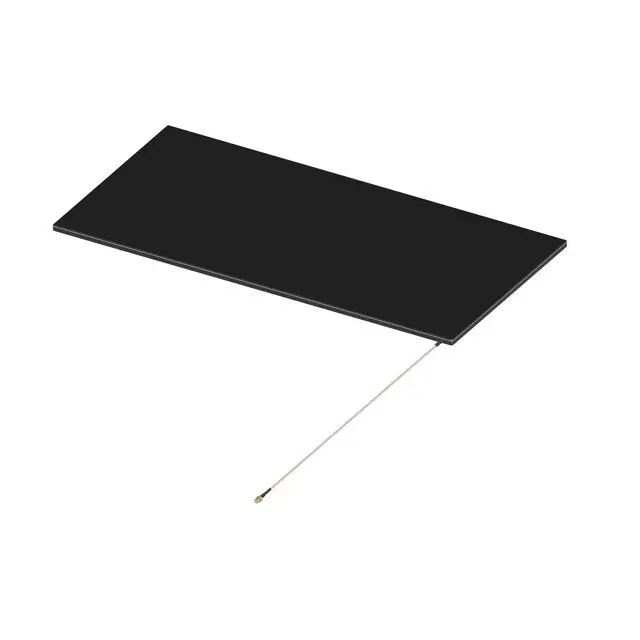
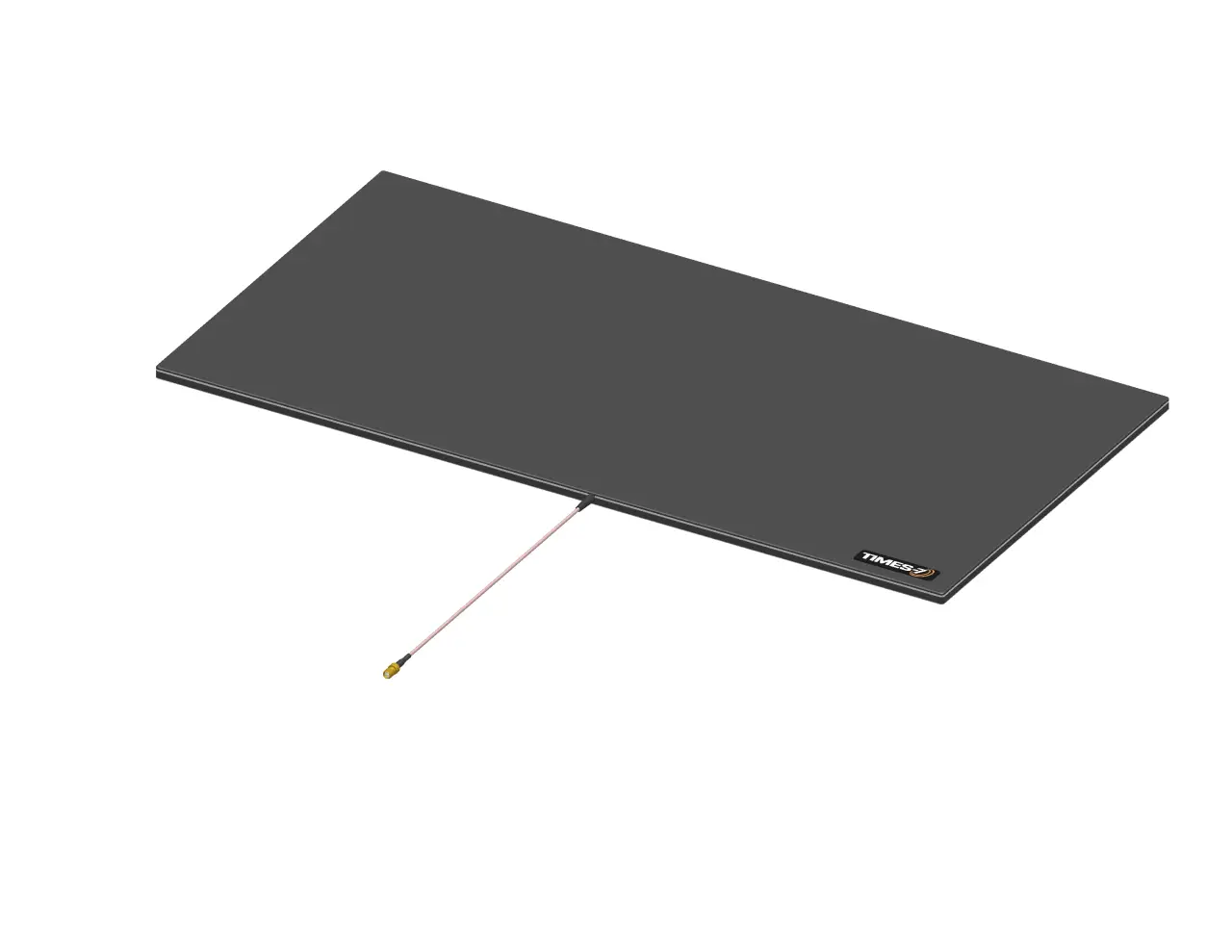
The Times-7 A1130 True NearField antenna provides a 300 × 300 mm reading area for close-range identification. Its near-field characteristics make it suitable for verifying tagged components, tools and materials presented at an assembly station.
For larger work surfaces, the A1163 extends the antenna area to 600 × 300 mm. Where particularly short detection distances are needed, the A5020NF offers a specified read range below 10 cm and an IP68-rated enclosure.
Connected to RFID readers and manufacturing software, these antennas can support automated production documentation without requiring operators to scan every component manually.
Related Hardware
Tracking Materials Without Interrupting Production
Beyond individual workstations, manufacturers need to follow components, transport containers and finished products as they move between production areas.
At higher conveyor speeds, RFID tags remain within the antenna's detection area for only a short time. Beamwidth, gain and antenna positioning influence how long the reader can communicate with each tag. Circular polarization accommodates changing tag orientations, while linear polarization can be advantageous when tags consistently face the same direction.
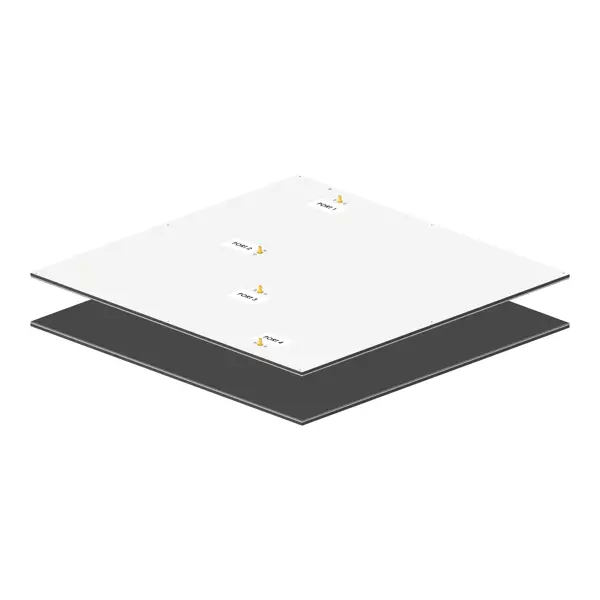
Times-7's A5060 circularly polarized high-gain antenna combines 10.5 dBiC gain with a focused, curtain-shaped radiation pattern. Its 25° and 60° beamwidths make it suitable for industrial portals and conveyor installations where the identification area must be carefully defined.
The same approach extends to packing operations. With its multi-linear polarization, the A9044M Packing Station Antenna supports identification at packing benches and within RFID tunnels. Tagged products can be checked during packing and dispatch, with the resulting data available for comparison against shipping orders.
Related Hardware
RFID Between Machinery, Metal and Moving Equipment
Not every identification point is located in a clean, open production area. Machinery, metallic structures, moisture and limited installation space complicate RFID integration.
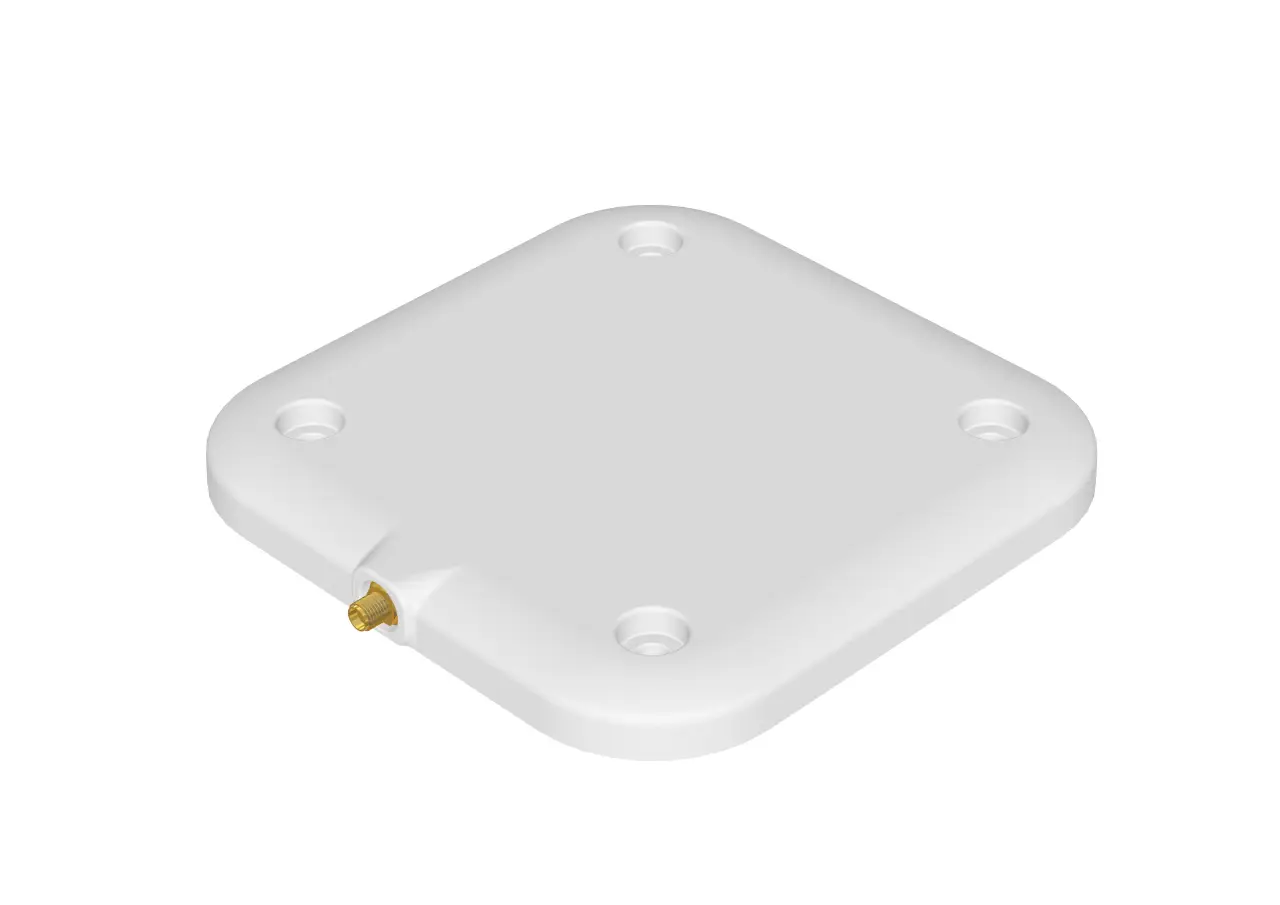
Times-7 addresses demanding environmental conditions with the A5020CX Circular Extreme antenna. Measuring just 150 × 150 mm, it combines circular polarization with IP68/IP69K protection and an operating temperature range of -30°C to +65°C.
Its compact construction makes it relevant for industrial asset tracking and equipment installations where space is limited or protection against water ingress is required.
Times-7 also offers the A5010, a circularly polarized high-gain antenna with IP67 protection, and specialized ground antennas from the A5531 series.
Installed at floor level, these antennas offer an alternative when tagged assets pass over an identification point and overhead or side-mounted equipment is impractical. Such configurations can support material handling checkpoints and internal transport routes.
Related Hardware

RFID Expertise Deployed Across More Than 55 Countries
With RAIN RFID antennas deployed in more than 55 countries, Times-7 brings extensive international experience to industrial identification projects. Its portfolio of over 150 active antenna models covers applications ranging from precision tracking at individual workstations to automated material handling and high-volume logistics.
Beyond its standard portfolio, Times-7 offers custom antenna development for installations with unusual mounting constraints, challenging environments or specific RF performance requirements. Engineering, design and manufacturing are handled at the company's headquarters in New Zealand.
Planning an RFID installation in manufacturing? The Times-7 team can help system integrators and manufacturers select suitable antennas, evaluate installation requirements and explore customized solutions.
Explore the Times-7 industrial antenna portfolio or contact the Times-7 team directly to discuss your project.