Times-7 Drives RAIN RFID: Why Antennas Define System Performance

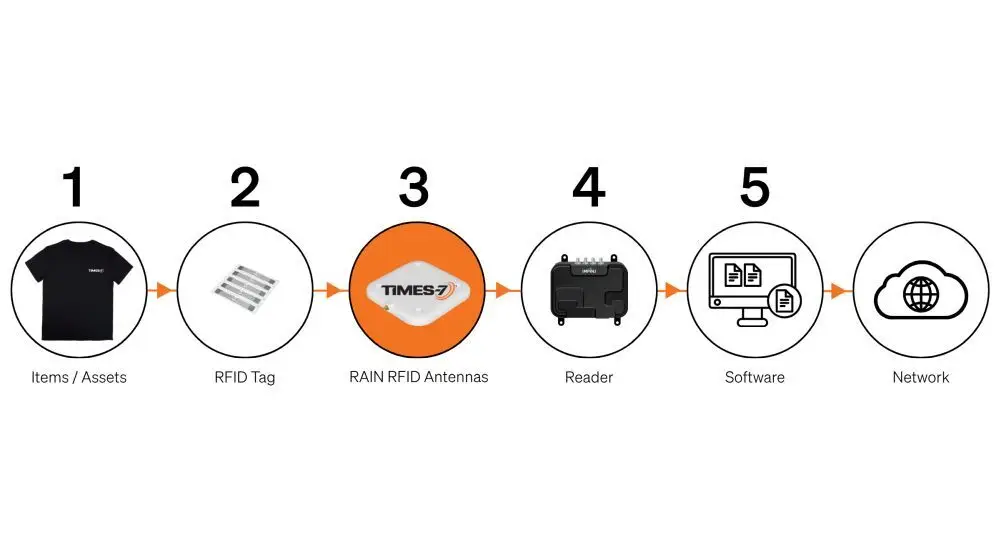
RAIN RFID has become a core technology for item-level identification in retail, healthcare, logistics, manufacturing and industrial automation. Times-7 highlights why system performance depends not only on tags and readers, but on the antenna architecture that defines every read zone.
RAIN RFID as the UHF Standard for Scalable Identification
RAIN RFID is designed for fast, large-scale, item-level identification without line of sight. The technology enables hundreds or thousands of tagged items to be read quickly and accurately, making it suitable for applications where speed, scale and reliability are operational requirements rather than optional features.
The term RAIN refers to “RAdio frequency IdentificatioN”. In practice, RAIN RFID operates in the UHF band, typically between 860 and 930 MHz depending on regional regulations. This frequency range supports long read distances, high read rates and bulk item-level tagging.
RAIN RFID is governed by global standards, primarily GS1 EPC Gen2 and ISO 18000-63. These standards are central to interoperability because they define how tags, readers and antennas work together across suppliers and deployments.
From Tagged Item to Actionable Data
A working RAIN RFID system combines several components: the tagged item or asset, the RFID tag, the RFID antenna, the reader and the software or middleware layer. Each element contributes to the quality of identification, tracking and data capture.
Times-7 uses a retail example to show how the system works in practice. A t-shirt receives an RFID tag at manufacture or during inbound warehouse processing. From that point onward, the item has a unique EPC that can travel with it through fulfilment, store receiving, stockroom movement, sales floor activity, fitting room interaction and point-of-sale events.
The value is not limited to identification. Each read event becomes a timestamped data point that can support inventory accuracy, replenishment, shrinkage detection, product availability and stock movement analysis.
The Antenna Defines the Read Zone
In a RAIN RFID system, antennas are the physical RF interface between reader and tag. They transmit and receive radio signals, but their strategic importance goes further: they shape the read zone.
Antenna selection directly influences read range, coverage pattern, accuracy and environmental adaptability. The right antenna can reduce missed reads, over-reads and variability, especially in complex environments with dense tag populations, metals, liquids or moving goods.
This is where Times-7 positions its core expertise. The company is a specialist RFID antenna manufacturer with a portfolio of RAIN RFID reader antennas designed for real-world performance in logistics, retail and industrial environments.
Times-7 Products for Real Deployment Conditions
Times-7 offers RAIN RFID antennas and custom antenna design services for fixed infrastructure and embedded applications. The product range includes slim-line low-profile antennas, circular and linear polarised antennas, multiport and multipatch configurations, and housings with different IP ratings for indoor, outdoor and washdown environments.
Related Hardware
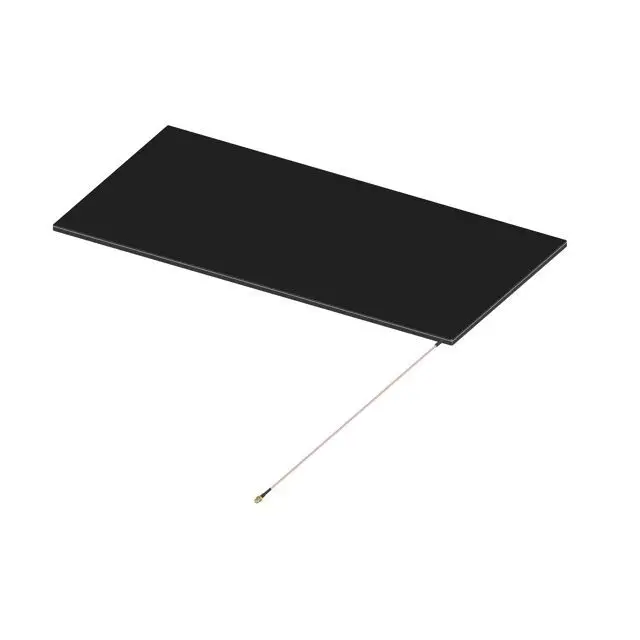

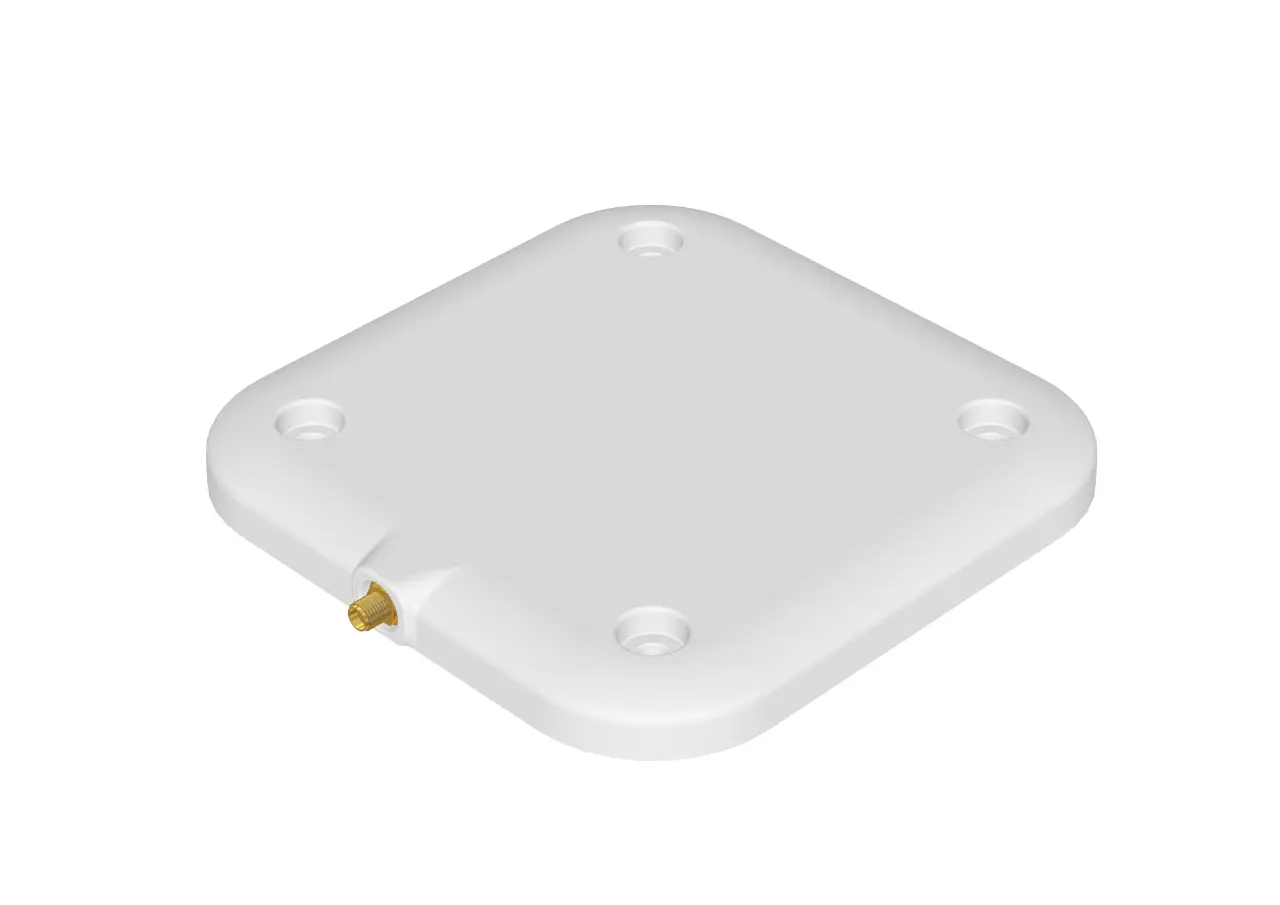
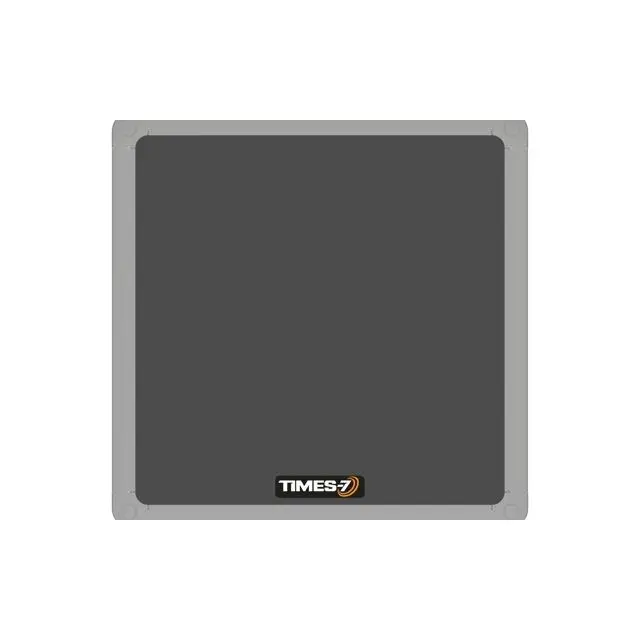
For logistics and retail deployments, Times-7 antennas support use cases such as ceiling-mounted wide-area scanning, dock door verification for inbound and outbound shipments, RFID portals and RFID tunnels for high-throughput conveyor and sortation processes.
The portfolio also includes antennas optimized for on-surface reads on metal surfaces and liquids, including IP69K-rated options for demanding environments. Compact OEM and embedded RFID antenna options support manufacturers that integrate RFID capability directly into equipment or infrastructure.
Relevance for Integrators and End Users
For system integrators, antenna selection is often the difference between a system that works in a controlled test and a system that works reliably in daily operations. Read zones must be engineered around process flow, object movement, materials, tag orientation and environmental constraints.
For solution providers, the availability of different antenna form factors creates more freedom in system design. Ceiling antennas, dock door antennas, portals, tunnels, embedded antennas and custom designs make it possible to adapt RAIN RFID to the process rather than forcing the process to adapt to the technology.
For end users, the result is measurable operational value: faster stock counts, automated shipment verification, better asset visibility, reduced manual scanning and more reliable data for enterprise systems such as inventory management, ERP, WMS, POS and loss prevention platforms.
Professional Leadership in the RAIN RFID Ecosystem
Times-7 is not only active as an antenna manufacturer, but also as a professional contributor to the wider RAIN RFID ecosystem. Jos Kunnen, CTO and Director of Times-7, was selected for the RAIN Alliance Board again in 2026, serving a further two-year term through March 2028.
This board-level involvement is relevant for customers and partners because RAIN RFID depends on standards alignment, interoperability and collaboration across the ecosystem. Antenna design is a technical discipline, but successful deployment also requires an understanding of readers, tags, protocols, RF environments and real operational constraints.
Antenna Engineering as a System Success Factor
RAIN RFID projects are often discussed in terms of tags, readers and software. Times-7 places the antenna at the center of system design because it determines where and how tagged items are detected.
In high-volume and mission-critical environments, that distinction matters. A reader can only perform as well as the RF field created by the antenna configuration. Coverage, precision, consistency and environmental resilience must therefore be designed into the system from the start.
With its portfolio of RAIN RFID antennas and custom design capabilities, Times-7 addresses one of the most important technical decisions in any UHF RFID deployment: creating the right read zone for the application.
Contact and Source
For system integrators, solution providers and end users planning RAIN RFID deployments in retail, healthcare, logistics, manufacturing or industrial automation, Times-7 offers specialist antenna expertise, application-focused products and custom engineering support. Contact Times-7 to design read zones that perform reliably in real operating environments and turn RAIN RFID infrastructure into dependable business data.
Source URL: https://www.times-7.com/blogs/2026/what-is-rain-rfid-uhf-rfid-technology-explained