UHF RFID Sensors Already Work. RAIN Wants Them to Scale

Sensor-enabled UHF RFID is already established across industrial applications. With its new RAIN RFID Sensor Working Group, the RAIN Alliance now wants to turn existing technologies and deployments into shared knowledge, reference models and a stronger ecosystem for scalable adoption.
The Next Step for Sensor-Enabled UHF RFID
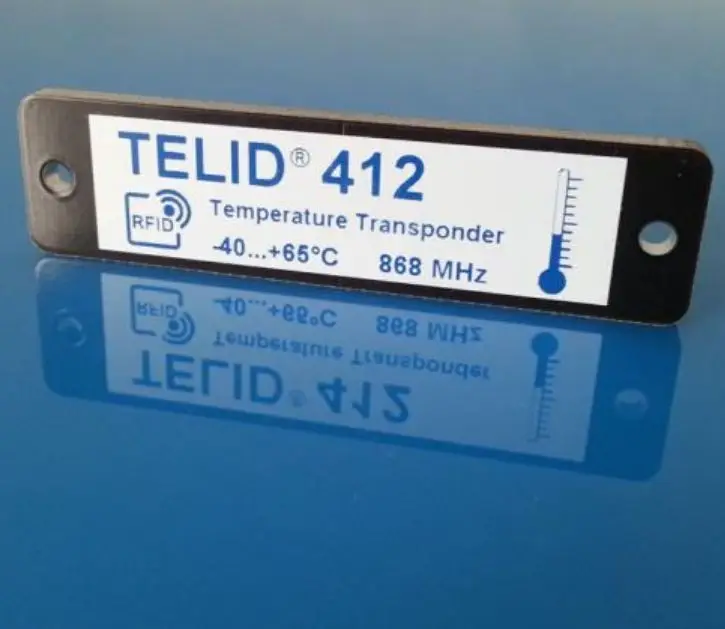
RAIN RFID is standards-based UHF RFID, widely used for automatic identification, inventory and traceability. Sensor-enabled UHF RFID is also not new: existing solutions already combine identification with temperature, humidity, pressure, strain and other condition data.
The new RAIN RFID Sensor Working Group therefore starts from an established technology base. Its focus is on documenting applications, exchanging implementation experience and identifying technical, commercial or standards-related barriers that could limit wider deployment.
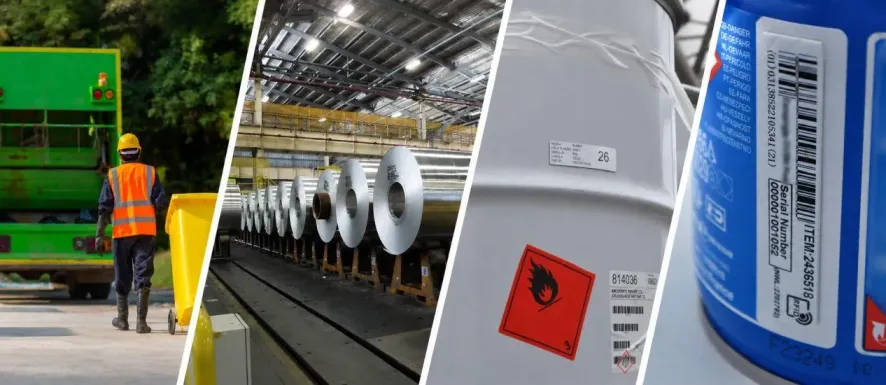
The group addresses applications in pharmaceuticals, food, medical devices, tyres, batteries, industrial machinery and infrastructure.
Related Hardware
From Successful Projects to Repeatable Deployments
UHF RFID sensors can link pharmaceuticals and food products with temperature or humidity data, monitor mechanical and thermal conditions on machinery, capture tyre or battery condition and measure temperature, moisture or strain within structural components.
The question is increasingly not whether UHF RFID can sense these parameters, but how existing solutions can become easier to deploy across larger and more diverse ecosystems.
Sara Amendola, Chair of the RAIN RFID Sensor Working Group and CEO of Radio6ense, puts the focus on this transition: “Our goal as a Working Group is to turn successful deployments into shared best practices and reference models for scalable adoption.”
Building on Existing AutoID Standards
The Working Group is entering an ecosystem in which important interoperability building blocks already exist. The AIM/OPC Foundation AutoID Companion Specification provides a common OPC UA interface and information model for integrating RFID and other AutoID devices into industrial systems. GS1 EPCIS also supports standardized sensor information for condition monitoring and Industrial IoT applications.
The opportunity for the RAIN Alliance is therefore not to duplicate existing integration and event-data standards, but to identify which RAIN-specific gaps remain at tag, reader and sensor-data level. Common practices, profiles or reference architectures could help connect tag-level sensing more consistently with readers, middleware and existing industrial and supply-chain systems.
Importantly, the Working Group has not yet announced a new sensor standard. Its current work includes mapping existing RAIN sensor technologies and architectures, identifying adoption barriers and defining opportunities for further development.
RAIN Sensing Faces a Broader Smart-Label Market
The Alliance also sees sensor-enabled RAIN RFID as relevant to Digital Product Passports. Persistent identification can be enriched with condition and lifecycle information for maintenance, reuse, recycling and end-of-life decisions. Sensor data, however, is not inherently a DPP requirement.
At the same time, RAIN sensing is not developing in isolation. Bluetooth LE smart labels and Ambient IoT approaches are gaining momentum for package-level tracking and sensing, including temperature and other condition data.
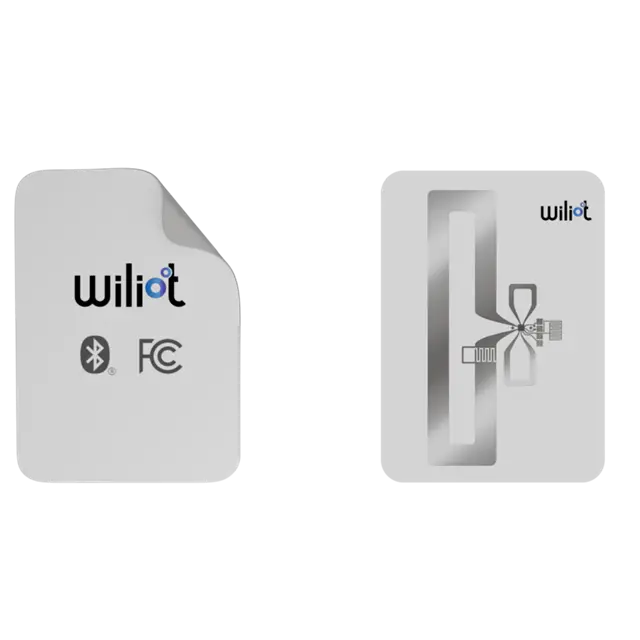

This raises the bar for the new Working Group. Sensor-enabled UHF RFID products already exist, while OPC UA AutoID and EPCIS already cover important parts of industrial integration and sensor-data exchange.
The key question is therefore no longer whether UHF RFID can become a sensing technology. It already is. The question is where RAIN sensing offers distinct advantages alongside BLE and Ambient IoT, and which remaining gaps the Working Group can actually close.
If this work results in useful common profiles, reference architectures or implementation guidance, it could strengthen UHF RFID's position in the growing smart-label and package-sensing market.
What will the RAIN RFID Sensor Working Group actually standardize, harmonize or simplify, and where can RAIN sensing outperform or complement emerging BLE smart-label solutions?
Read more: RAIN RFID Sensor Working Group