BTRY Builds Digital Backbone to Scale Next-Generation Solid-State Batteries

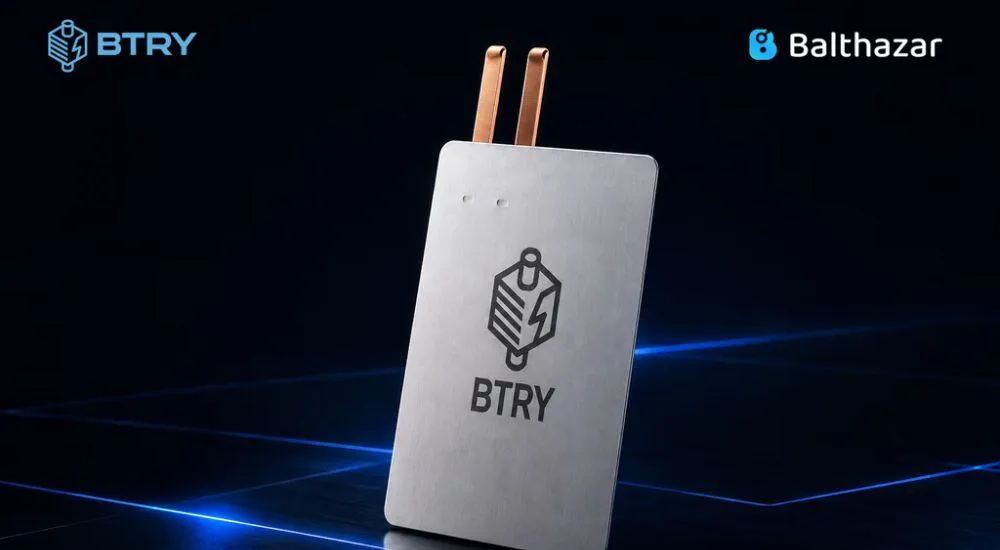
BTRY is working with Balthazar to build a device-centric digital backbone for its ultra-thin solid-state battery development. The goal is to connect fabrication parameters with cell performance and create the traceability, reproducibility and data foundation needed for industrial scale.
From Battery R&D to Industrialization
Swiss battery company BTRY is developing ultra-thin solid-state batteries manufactured using semiconductor fabrication technologies. The batteries are designed to combine a very small form factor with fast charging and operation across temperatures from -40 °C to 150 °C.
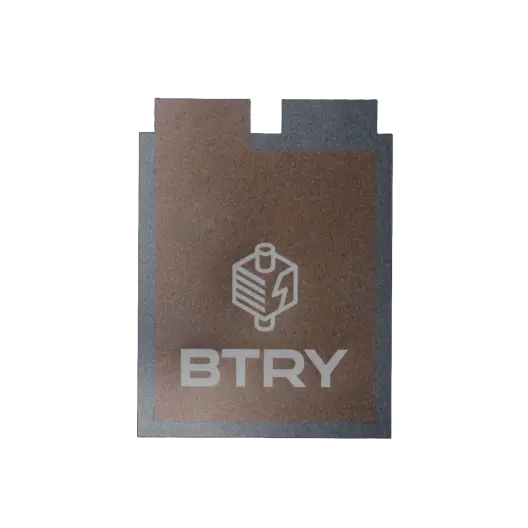

As BTRY moves from technical validation toward higher-throughput production, however, scaling becomes an operational challenge. Hundreds of fabrication parameters, measurements and performance indicators must remain connected across every experimental iteration.
This is where the cooperation with Balthazar comes in.
One Digital Record for Every Battery Cell
BTRY has implemented Balthazar as a centralized R&D data and workflow platform. Previously, experimental information was distributed across shared drives, spreadsheets and individual analysis routines, making comparisons increasingly difficult as the number of experiments grew.
The new system organizes information around the individual battery cell. Each device is linked to its fabrication history, material configuration, workflow version, measurements and resulting performance metrics. This creates a direct digital relationship between how a battery was manufactured and how it performs.
Workflows are version-controlled and KPI calculations standardized across the team. Engineers can therefore compare cells and experimental iterations without repeatedly reconstructing datasets or applying different analysis methods.
Linking Process Parameters to Performance
A central objective is to make relationships between fabrication parameters and battery performance systematically visible.
Process settings are structurally linked with characterization and performance data. BTRY can therefore investigate which materials, recipes and parameter combinations influence battery results and use these findings to guide subsequent experiments.
Integrated dashboards make it possible to compare devices, monitor trends and identify high-performing cells without manually rebuilding datasets.
Because the data is structured from the start, BTRY has also begun using it with AI tools to explore correlations between fabrication parameters and battery performance.

The Goal: A Foundation for Scalable Production
The cooperation goes beyond making laboratory work more efficient. Its ultimate goal is to establish the digital foundation required to move BTRY's battery technology from iterative R&D toward repeatable, higher-volume production.
As throughput increases, fabrication recipes, parameter changes, measurements and performance results must remain traceable. This will help BTRY identify production bottlenecks, support quality control and understand which process parameters actually determine device performance.
“Now everything is structured according to our processes and automatically linked at the device level, so we can focus on interpreting results and making quick decisions. It also puts us in a much better position as we scale toward higher production volumes,” says Nicolas Osenciat, R&D Lab Director at BTRY.
The digital backbone therefore turns individual experiments into reusable process knowledge. For BTRY, that is a prerequisite for scaling next-generation solid-state batteries without losing visibility into what drives performance.