

- Btry manufactures thin-film solid-state batteries that eliminate liquid electrolytes, improving safety and reducing fire risks.
- The vacuum-layered production process is similar to semiconductor fabrication, enabling precise material control and reliability.
- These batteries can be rapidly charged in under one minute due to their thin-film structure and short ion transport paths.
- Applications include smart labels, sensors, medical devices, and wearables where thin, robust, and integrable energy storage is essential.
Battery Industry on the Verge of a Breakthrough
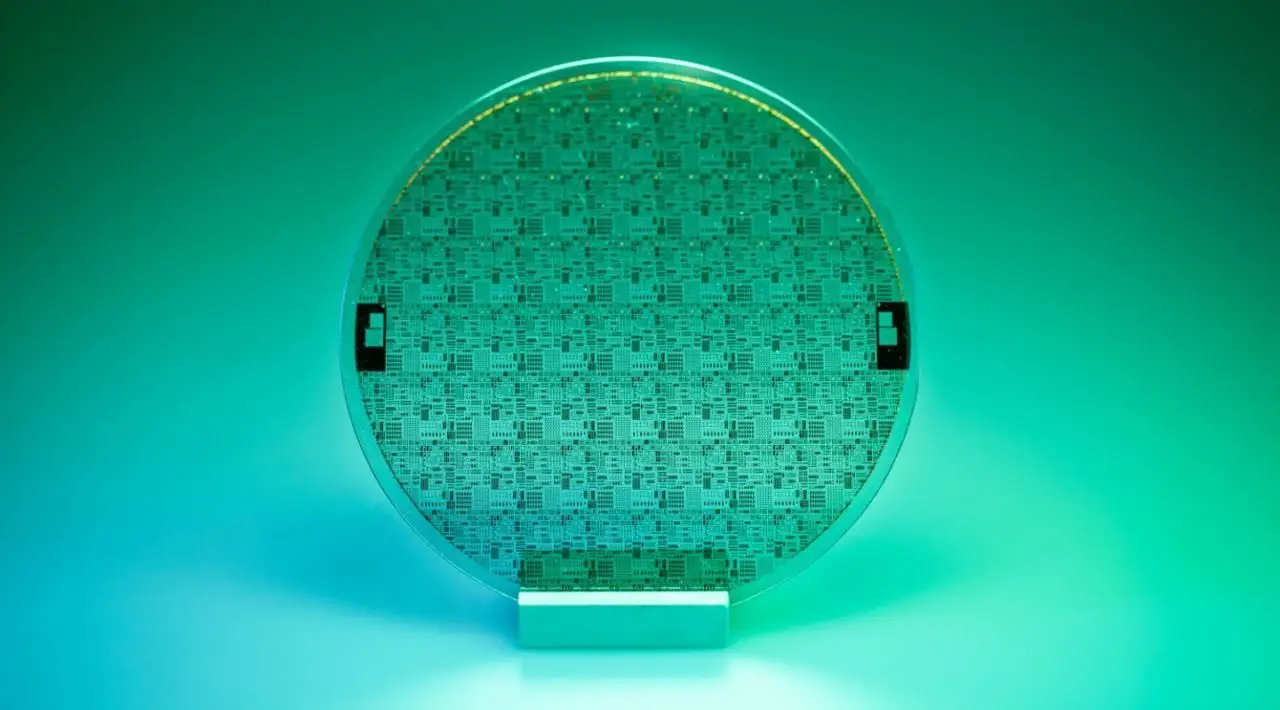
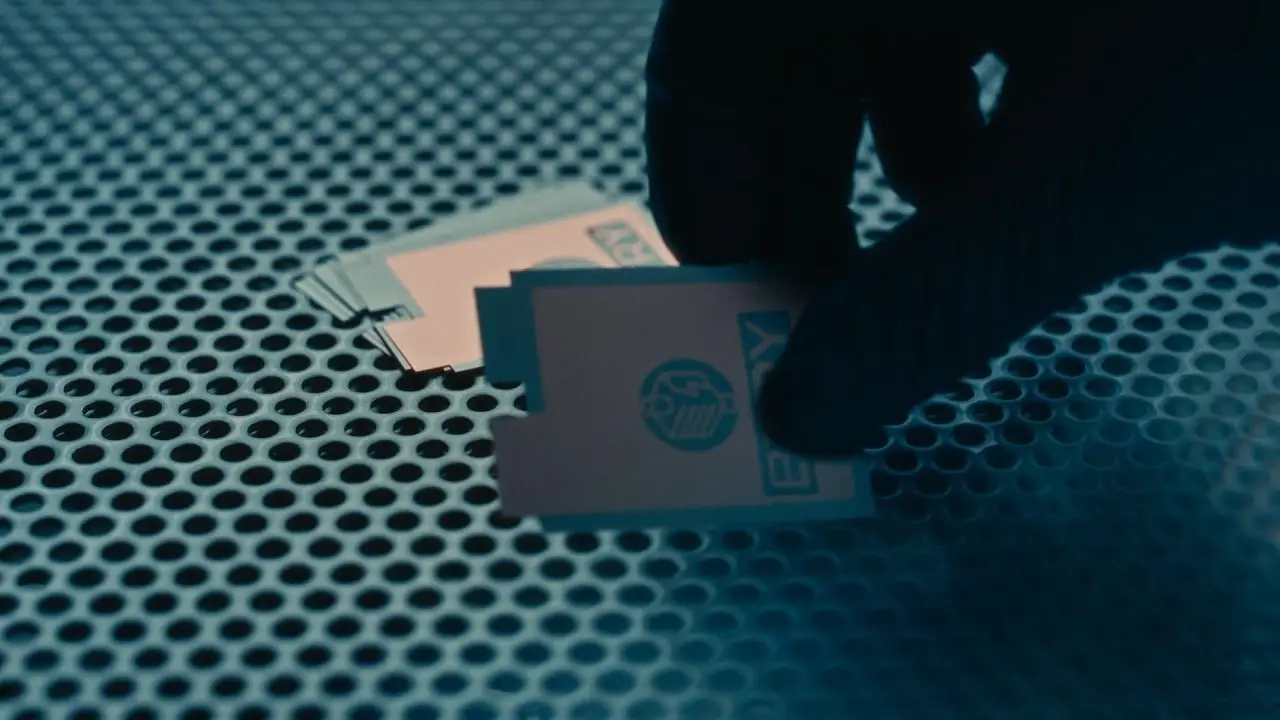
The Swiss company Btry specializes in the development and industrial production of thin-film batteries that use solid materials instead of liquid or gel electrolytes. The battery is not printed but manufactured layer by layer in a vacuum process, similar to semiconductor production.
In 2026, Btry will commission its first pilot line to supply its first customers. In 2027, Btry plans to scale up production so that the batteries can be manufactured in significantly larger quantities. In addition, the first customers’ requirements for integration and performance will be specifically incorporated into the production process. A unique feature: The battery takes just under a minute to charge.
Solid-state instead of liquid electrolyte – risks of lithium-ion batteries
The term “liquid electrolytes” refers to batteries, more specifically to lithium-ion batteries with a liquid organic electrolyte, which are now used in electric vehicles, wireless headphones, smartphones, laptops, e-bikes, and fitness watches. However, fires and explosions caused by lithium-ion batteries show that these energy storage systems are not without risk.
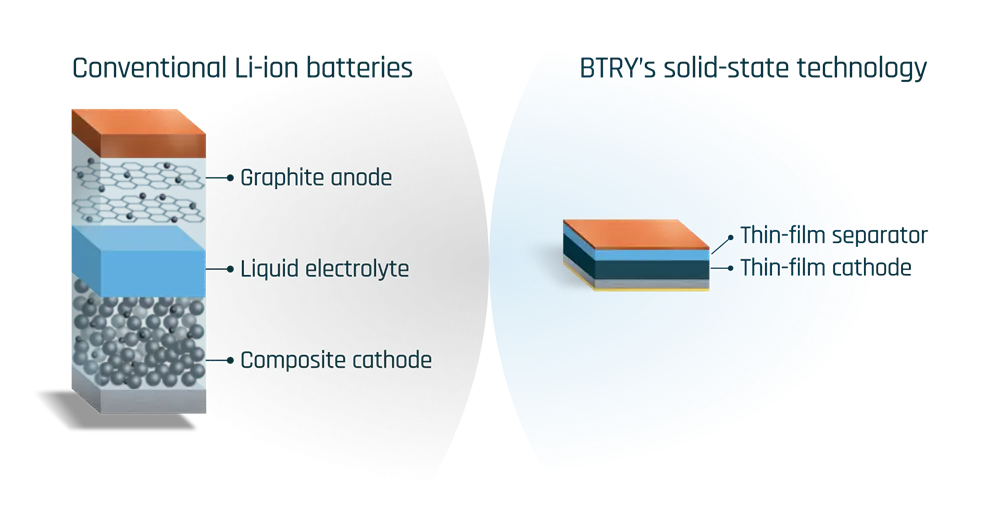
A major cause of this is the highly flammable liquid electrolytes. This is also why batteries with liquid electrolytes are often not used in safety-critical or high-temperature applications. Thin-film solid-state batteries therefore represent a true paradigm shift. They operate entirely without liquid electrolytes. This eliminates the risk of fires and explosions.
The innovative Swiss company Btry is focusing precisely on this area. The startup is developing a battery technology that completely eliminates liquid electrolytes and instead uses only solid-state materials. This significantly reduces the risk of fire. The combination of solid-state electrolytes and thin-film technology is mastered by only a handful of companies worldwide. Btry is therefore a pioneer in battery innovation.
Who is Btry?
Btry is a Swiss startup. The company was founded in 2023 by researchers Dr. Moritz Futscher, Dr. Abdessalem Aribia, and Dr. Yaroslav Romanyuk. Prior to founding the company, they had worked together on a project at the Empa laboratory focused on solid-state batteries.
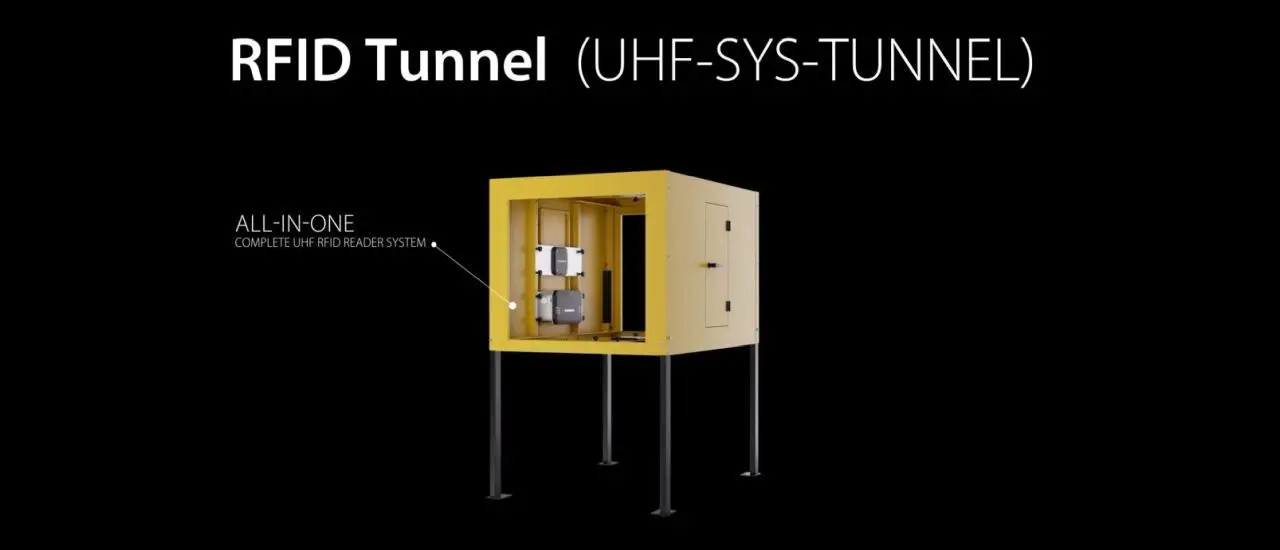
Their goal was to develop thin-film batteries using a solid, ion-conducting material instead of a liquid electrolyte. Specifically, they wanted to develop a miniaturized battery that could also be charged very quickly for integration into RFID and BLE tags.
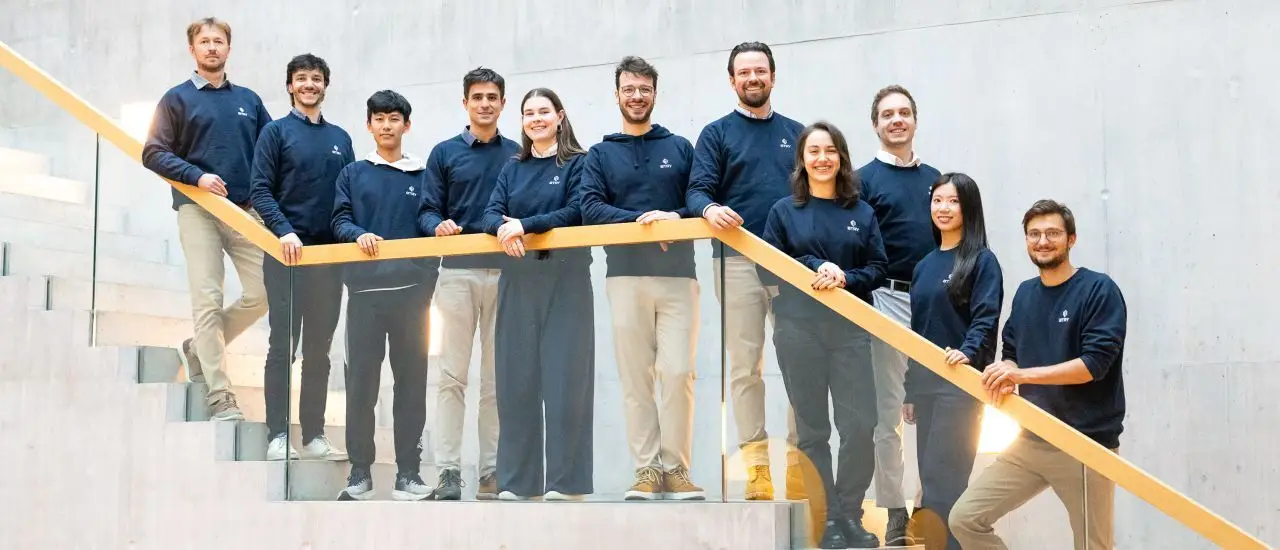
For the Btry team, which now consists of 15 members, the move toward independence primarily meant establishing partnerships with industrial companies while simultaneously further developing the prototype into a scalable product. Along this path, Btry is supported by renowned partners. Potential applications include sensors, medical technology, logistics, and watches.
From Research to Industry
Specifically, the technology behind thin-film solid-state batteries is based on ten years of research at ETH Zurich. As part of several projects, thin, stackable lithium-ion solid-state cells as well as innovative coating and manufacturing processes were tested and further developed.
One example is the project “Anode-free all-solid-state batteries – From thin film to bulk (AfreeSSB),” which was carried out at the Empa laboratory starting in 2022 in collaboration with partners from Germany, Spain, and other countries. The project, co-funded by the Swiss Federal Office of Energy (SFOE), served as a key starting point for research that gave rise to significant aspects of today’s thin-film technology.
Btry’s rechargeable thin-film battery
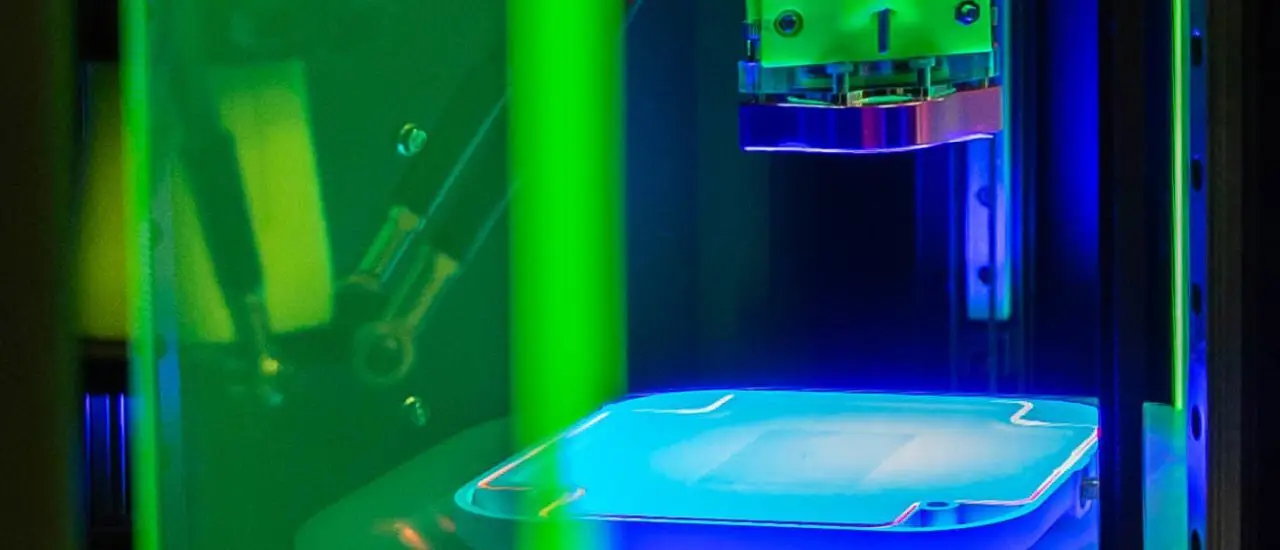
Btry manufactures the battery cells as thin-film, vacuum-processed solid-state lithium-ion batteries, using semiconductor-like manufacturing steps and without liquid or organic electrolytes or solvents.
The dimensions of the batteries are variable and are adapted to the specific application. In an application example involving smart cards, for instance, the dimensions are 50 × 40 × 0.1 mm.
The Charging Process
The “1-minute charging process” is primarily due to two factors: the low capacity of the formats designed for labels and the thin-film architecture. Fast charging is made possible, among other things, by the layered thin-film structure. Because the transport paths in the electrodes and solid-state electrolyte are very short, the battery can absorb and release energy particularly quickly.
The new energy storage solution for smart labels and sensors
Thin-film solid-state batteries are considered innovative because they change two fundamental aspects at the same time. They replace the liquid electrolyte with a solid one, and they rethink the form factor from the ground up, not as a “battery cell as a separate component,” but as an extremely thin, integrable layered structure. This creates clear advantages in many applications.
Without liquid components that could potentially leak or ignite, the technology offers advantages in terms of safety and robustness and is often more stable under temperature and environmental influences. At the same time, the thin-film design enables very small, flat energy storage devices that can be integrated into products where conventional cells would be too large, too thick, or mechanically unsuitable, such as smart labels, sensors, wearables, or medical devices.
Another innovative aspect is the manufacturing approach. Thin-film solid-state batteries are produced layer by layer using processes known from semiconductor and vacuum processing technologies. This allows very precise control over material structures and interfaces, often resulting in high reliability over many charge cycles, which is particularly important for micro energy storage devices.
In practice, the focus is less on maximum capacity and more on durable, rechargeable storage that can reliably provide small amounts of energy over many years and buffer peak loads, for example during wireless transmissions.
It is also exciting that thin-film solid-state batteries can play a role in “battery-free” concepts. Even when energy is generated via solar or other energy-harvesting methods, a buffer element is often needed for periods of darkness, shade, or short-term spikes in power demand.
Thin-film solid-state batteries are attractive for this purpose because they are small, safe, durable, and easy to integrate. A key opportunity also lies in replacing disposable primary cells (such as button cells) with rechargeable, long-lasting micro energy storage devices in suitable applications, which is exactly where this technology becomes particularly relevant.