
Zebra Global Shopper Study: GenAI Rising as Key Tool for Loss Prevention


Automation and AI are becoming essential as retailers tackle shrink, inventory gaps and rising expectations for seamless shopping experiences
Zebra Technologies Corporation (NASDAQ: ZBRA) has released insights from its 18th Annual Global Shopper Study, highlighting how retailers in Europe are accelerating investments in generative AI (GenAI) and automation to strengthen loss prevention and improve execution across channels.
According to the study, 88% of European retailers believe GenAI will have a significant impact on loss prevention, and 87% of retail leaders view GenAI and automation as critical tools to reduce shrink and improve operational performance.
“Retail’s future belongs to those who connect the physical and digital worlds through intelligent workflows,” said Matthew Guiste, Global Retail Technology Strategist at Zebra Technologies. “With AI, automation, and improved workflows, retailers can reduce loss and deliver the fast, seamless, and personalised experiences that today’s shoppers demand.”
Shopper satisfaction improves in-store, declines online
The research indicates that shopper satisfaction in Europe improved for in-store experiences, while online satisfaction declined, underscoring the pressure on retailers to deliver consistent experiences across touchpoints.
As inflation continues to shape purchasing behavior, shoppers are increasingly motivated by discounts and promotions. At the same time, they report frustration with persistent friction points such as out-of-stocks, locked-up merchandise, and limited access to self-checkout.
Frontline teams need better access to information
Retailers also face growing challenges on the shop floor, where associates report delays in getting timely help or information. The study shows that employees strongly associate the availability of the right tools with reduced stress, improved job satisfaction, and faster task completion, factors that directly influence service quality and the customer experience.
Inventory visibility and shrink reduction remain top priorities
Inventory challenges continue to impact both shopper satisfaction and profitability. European retail decision-makers cite real-time inventory synchronization as a top organizational priority. Looking ahead, many plan to implement technologies such as computer vision, RFID, and GenAI over the next five years to improve visibility, reduce shrink, and enable more responsive replenishment and fulfillment.
Zebra also points to the business impact of improving operational workflows: better inventory management can translate into measurable gains in revenue growth and profitability, especially as retailers optimize processes supporting both online orders and in-store availability.
Technology to support intelligent retail operations
Zebra highlighted solutions designed to improve inventory accuracy, frontline productivity, and loss prevention, including:
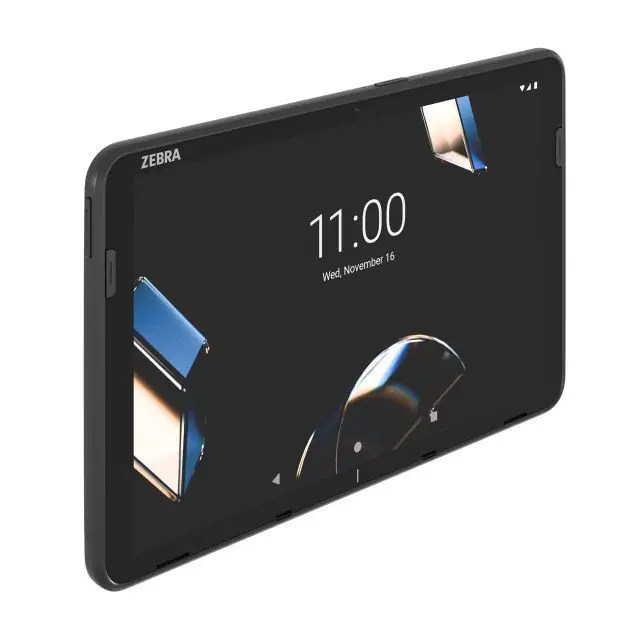
ET401 Tablet, with integrated RFID capabilities to help associates locate items and update stock in real time
WS301 Wearable Mobile Computer, enabling hands-free task execution and faster collaboration
DS82 Series Scanner, combining advanced scanning and built-in RFID to streamline checkout and support loss prevention
Elo I-Series 5 and EloPOS Z30, expanding in-store engagement, price checking, wayfinding, and retail-media use cases

About the 18th Annual Global Shopper Study
The study analyzes the attitudes and expectations of shoppers, retail associates, and decision-makers across regions and retail formats. Conducted online in May and June 2025, it surveyed more than 4,200 respondents across Europe, North America, Latin America, and Asia-Pacific.