

Wearable Sensors Support Safer Home Dialysis in New HUS and VTT Study

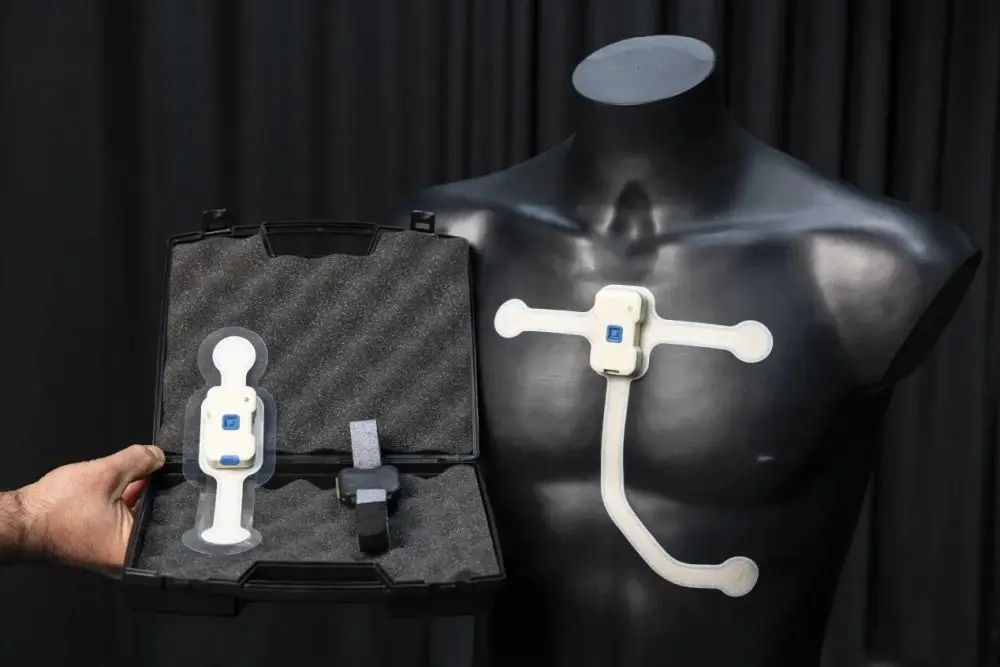
Home dialysis is considered a promising way to improve treatment quality for kidney patients while reducing pressure on healthcare systems. Compared with hospital-based dialysis, it offers greater flexibility in daily life and can significantly lower costs. However, one major challenge remains: between hospital follow-up visits, there is often limited insight into how well the treatment is working.
A new collaboration between HUS Helsinki University Hospital and VTT Technical Research Centre of Finland addresses this gap. The partners have launched a patient field study using wearable sensors to monitor home dialysis more closely and generate new clinical insights.
Field Test with 36 Patients
The study involves 36 volunteer patients who will use wearable sensors during home dialysis treatment. Because only two patients per week can participate, the data collection phase will extend over more than six months.
The sensors, developed by VTT, collect physiological data before and after dialysis. They measure cardiac activity, hemodynamic parameters, and oxygen levels. Patients wear two wirelessly synchronised sensors, while embedded algorithms process the collected data.
The aim is to better understand how the body responds to dialysis and to identify patterns that could support clinical decision-making.
Closing the Information Gap
For many patients, dialysis still requires several hospital visits per week, which is both burdensome and costly. Home dialysis offers an alternative, but its broader use depends on confidence in treatment safety outside the clinic.
Since patients typically return for follow-up only every second or third month, important changes in their condition may go unnoticed. Continuous monitoring with wearable sensors can help close this information gap and provide a clearer picture of treatment effectiveness.
Virpi Rauta, Lead of the CleverHealth Network Ecosystem at HUS, sees strong potential in the project. Better monitoring could improve outcomes and quality of life for patients while also reducing healthcare costs. According to HUS, a broader increase in home treatment could save Finnish society around 11 million euros per year.
Wearable Electronics in Healthcare
The project highlights the growing role of wearable electronics in modern healthcare. VTT has extensive experience in developing flexible, skin-conformable sensor technologies designed for continuous and unobtrusive use.
Such systems must function reliably in everyday conditions. Data needs to be collected seamlessly, without disrupting the patient’s routine. At the same time, the information must be processed and translated into meaningful insights for healthcare professionals.
VTT combines sensor development with wireless platforms, embedded algorithms, and advanced data analytics. This integrated approach allows physiological data to be captured, processed, and evaluated within a single system.
“We believe our wearable sensors are mature enough to support the needs to monitor home dialysis. However, whatever we design, we want a proper field assessment of the technology,” VTT Senior Scientist Mohammad Behfar says.
From Development to Clinical Testing
One of VTT’s strengths lies in covering the full development chain, from concept and system design to pilot manufacturing. The organization has previously demonstrated its capabilities with innovations such as biodegradable ECG patches.
In this project, the focus shifts from laboratory development to real-world testing. The field study will assess how well wearable sensors perform in a clinical context and how effectively they can support home-based treatment.
User Experience and Acceptance
Despite technological progress, patient acceptance remains a key factor. Wearable devices must be comfortable and easy to use over longer periods.
In the study, sensors need to be replaced during the monitoring phase, which can be inconvenient. Some patients may also experience discomfort from adhesive materials. However, participants are aware of the potential benefits and contribute to advancing the technology.
Balancing technical performance with usability is essential for successful adoption in healthcare.
Outlook: Toward Continuous Care
The HUS-VTT project reflects a broader shift toward continuous, data-driven care outside hospital environments. Wearable sensors enable ongoing monitoring and provide insights that were previously unavailable between clinical visits.
In home dialysis, this approach could significantly improve safety and confidence in treatment. More broadly, it demonstrates how wireless IoT technologies can support new healthcare models based on real-time data and remote monitoring.
The results of the study will show how wearable sensors can contribute to safer, more efficient, and more patient-centered dialysis care.
Source: VTT / HUS Helsinki University Hospital
VTT is a visionary research, development and innovation partner for companies and the society, and one of the leading research organisations in Europe.