
Choosing the right RFID approach: Turck highlights why data needs define the system

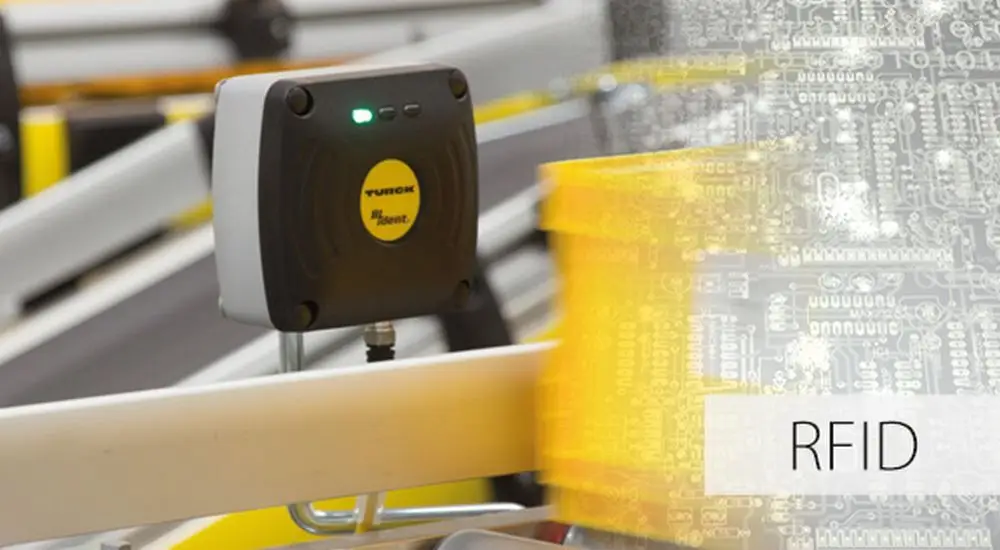
Industrial RFID has one core mission: deliver precise, usable object data, reliably, in real time, and ready for PLC-to-ERP integration. Turck emphasizes this data-centric approach with a portfolio that spans modular HF/UHF identification, decentralized field processing, and turnkey track-and-trace solutions designed to turn RFID reads into decision-ready information.
Data determines the RFID architecture
Turck highlights that the “right” RFID solution starts with the question: What data is needed, where, and how often? Two typical paper-roll scenarios illustrate why:
End-to-end tracking across production and storage read points requires comprehensive data capture and integration, often best served by UHF RFID and advanced application concepts such as Turck Vilant Solutions (TVS).
Machine-level tracking inside production equipment may require only localized identification at individual read points, where HF/UHF readers provide an efficient and streamlined approach.
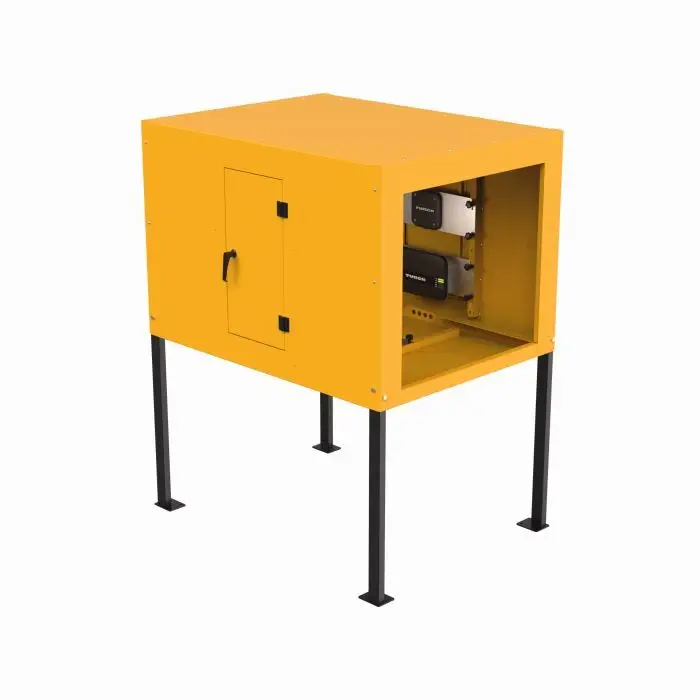

RFID for production and logistics, seamless identification from goods-in to goods-out
From verifying incoming and outgoing goods to ensuring the right tools and materials are used in production, RFID has become a proven Auto-ID technology for industrial operations.
Turck’s RFID solutions support contactless identification, high data volumes, long read ranges, and straightforward connectivity to higher-level systems, enabling transparent material flows and tighter process control.
Choose the right frequency: HF for near-field, UHF for range and bulk reading
HF (13.56 MHz) is a key driver for digital production processes via magnetic near-field communication.
UHF (865…928 MHz) is the preferred choice when greater range or bulk reading (200+ data carriers) is required.
Turck’s BL ident modular RFID system supports parallel operation of HF and UHF read/write heads and enables consistent, decentralized processing in the field. With IP67 protection, RFID components can be installed directly at the machine or plant, where the data is generated.
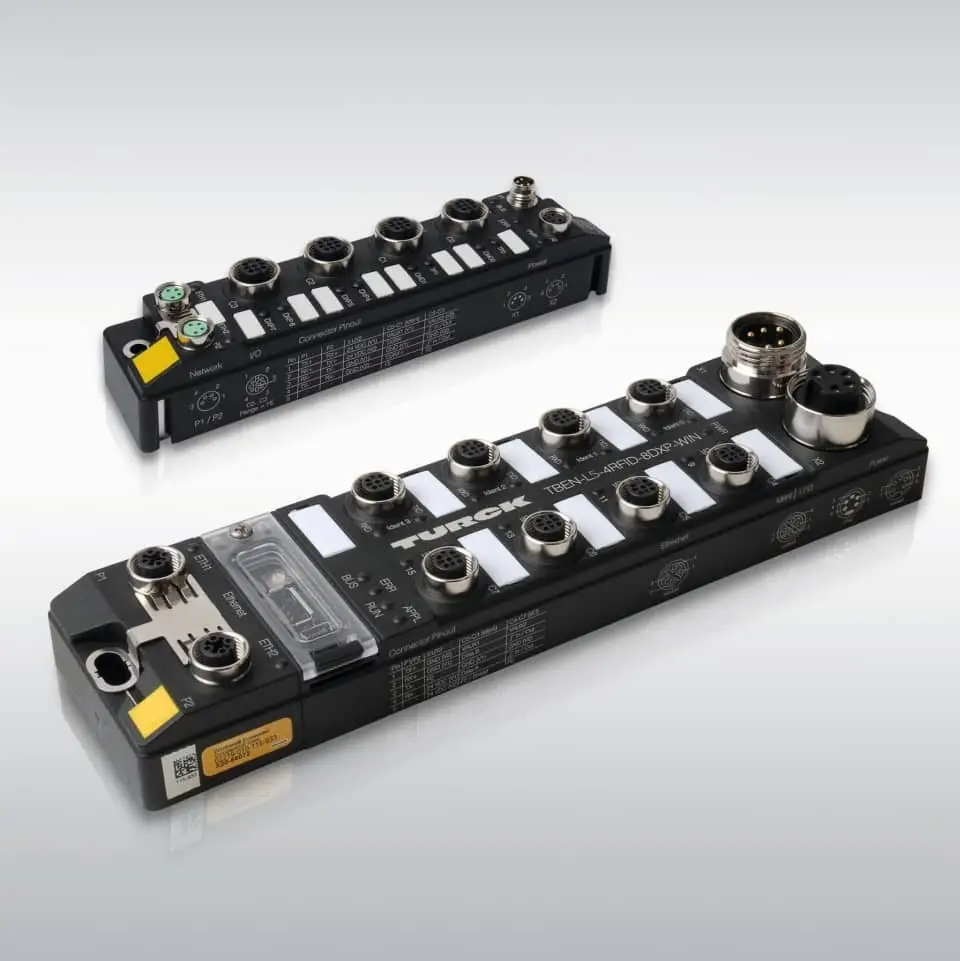
Fast integration into PLC, MES, ERP and cloud, now with OPC UA
Modern production and logistics rely on structured communication across multiple system layers. Turck RFID readers with Ethernet connectivity enable direct data exchange with PLC, SCADA, MES, ERP, and cloud environments—making goods movements visible in real time and supporting automated downstream processes.
For IIoT integration, Turck emphasizes OPC UA as a secure, platform-independent standard that simplifies connecting RFID to higher-level systems. With the AutoID Companion Specification, devices can be exchanged across Auto-ID ecosystems from different manufacturers.
Turck has contributed significantly to the standard and offers an RFID interface with an OPC UA server, including mixed HF/UHF operation for secure and flexible deployments.
From components to turnkey track & trace
For UHF projects in particular, system design and parameterization are critical—especially to prevent interference and ensure clean data. Turck underlines the role of middleware in filtering, structuring, and routing RFID events so that enterprise and automation software can use them effectively.
Since 2018, Turck has expanded its offering with turnkey RFID solutions via Turck Vilant Systems, combining reader systems, internally developed middleware, and on-site service. The subsidiary has delivered more than 1,000 RFID system installations in 35 countries, helping companies boost efficiency across supply-chain track-and-trace processes.
Read what Turck says about RFID solutions for production and intralogistics here: https://www.turck.de/en/rfid-36706.php