
Pfizer Brings RAIN RFID to Medication Labels to Simplify Hospital Pharmacy Workflows

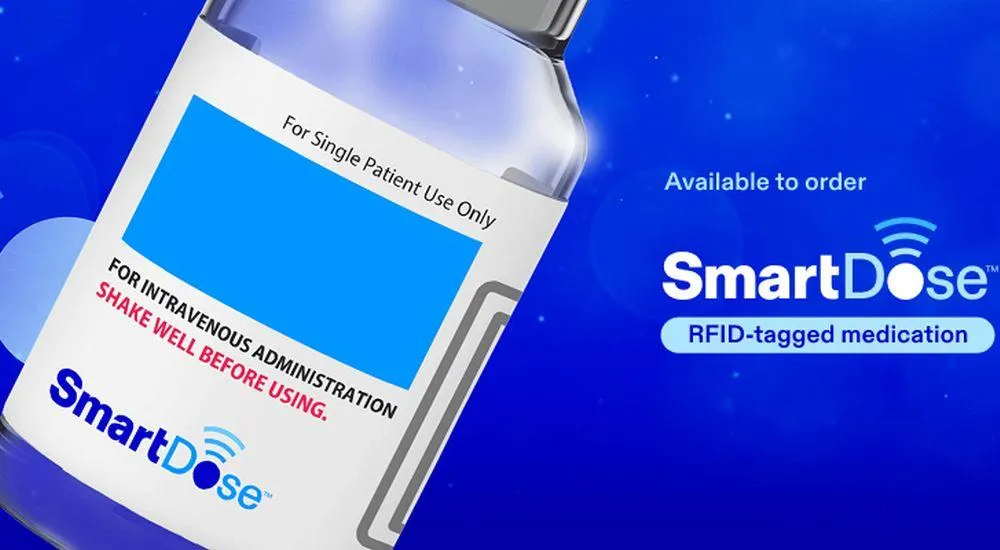
Pfizer is integrating UHF RFID, also known as RAIN RFID, directly into medication labels during manufacturing. Its SmartDose portfolio eliminates manual tagging in compatible hospital pharmacies. Through its partnership with Bluesight, Pfizer enables automated inventory management, faster identification of expired or recalled medications and improved medication tracking to help reduce waste.
Why Pfizer Is Moving RFID Tagging to the Factory
Pfizer, one of the world's largest biopharmaceutical companies, develops and manufactures medicines and vaccines distributed across approximately 200 countries and territories. The US-based company is now extending its digitalization efforts beyond pharmaceutical manufacturing to simplify medication management in hospitals.
Hospital pharmacies face growing workloads and increasing pressure to manage medication inventories accurately. Operating rooms, emergency carts and medication trays contain numerous products that must be counted, replenished and checked for expiration dates and recalls.
RFID can automate these tasks, but conventional implementations often create an additional burden: pharmacy staff must attach RFID tags to individual medication vials and associate each tag with the correct product information.
Pfizer's SmartDose addresses this problem at the source. By integrating RAIN RFID into medication labels during manufacturing, Pfizer delivers products that arrive pre-tagged, encoded and associated with their medication data.
Why RAIN RFID?
Unlike barcodes, RAIN UHF RFID enables multiple medications to be identified simultaneously without direct line of sight. A hospital pharmacy can scan an entire medication tray rather than processing each vial individually.
SmartDose uses compact, passive RFID tags designed to fit even small injectable vials. GS1-aligned identification links each product to relevant information, including its product identifier, lot number, serial number and expiration date.
Each vial undergoes automated readback verification during manufacturing to confirm that its RFID tag is readable and correctly encoded. Pfizer also uses ARC Spec S, an RFID performance specification developed by Auburn University's RFID Lab for pharmaceutical packaging. It establishes performance requirements to support reliable tag readability on challenging products such as small glass vials, syringes and liquid-filled containers.
Pfizer and Bluesight Connect Manufacturing with Hospital Operations
In July 2026, Pfizer and Bluesight announced a partnership integrating SmartDose medications with Bluesight's KitCheck inventory management platform. Bluesight is a US-based healthcare technology company specializing in medication inventory management, procurement and compliance. Its RFID-based KitCheck system helps hospitals track medications, manage inventory and identify expired or recalled products.
Hospitals using KitCheck can scan compatible SmartDose medications without first attaching and registering RFID labels. The software identifies missing, expired or recalled medications and supports the replenishment of medication kits and trays. This reduces repetitive manual work and helps pharmacy teams maintain accurate inventories.
Open Standards Enable Integration with Other RFID Systems
SmartDose is not limited to Bluesight's KitCheck platform. Pfizer designed its source-tagged medications for interoperability with compatible RFID medication management systems from different vendors. The technology uses several complementary standards and specifications:
UHF RFID (RAIN RFID): Passive RFID technology that enables multiple medications to be identified simultaneously without direct line of sight.
GS1 UHF Gen2 / ISO/IEC 18000-63: The standardized air-interface protocol defining how RFID readers and tags communicate, enabling compatible hardware from different manufacturers to work together.
GS1 identification and encoding: Pfizer uses serialized Global Trade Item Numbers (GTINs) and GS1-aligned encoding. The GS1 EPC Tag Data Standard (TDS) defines how product identifiers can be stored on RFID tags and associated with additional medication information in connected databases.
Pfizer Hospital US
This standards-based architecture allows hospitals to integrate SmartDose into other compatible RFID inventory systems rather than depend exclusively on KitCheck. Individual software integrations and compatibility must still be verified.
The Bluesight partnership demonstrates how pharmaceutical manufacturing can connect directly with established hospital pharmacy workflows.
From Factory Identification to More Connected Healthcare
Pfizer's approach shifts medication identification upstream, where labels can be applied, encoded and verified through standardized manufacturing processes.
Combining source-tagged medications with interoperable hospital RFID systems creates opportunities to reduce pharmacy workloads, improve inventory visibility and accelerate the identification of expired or recalled products.
For hospitals, the objective is straightforward: less time spent manually managing medications and more time available for patient care.
Discover Pfizer SmartDose and learn how the Pfizer–Bluesight partnership is advancing RFID-enabled medication management.