Identiv Highlights Five Supply Chain Intelligence Trends from Manifest 2026

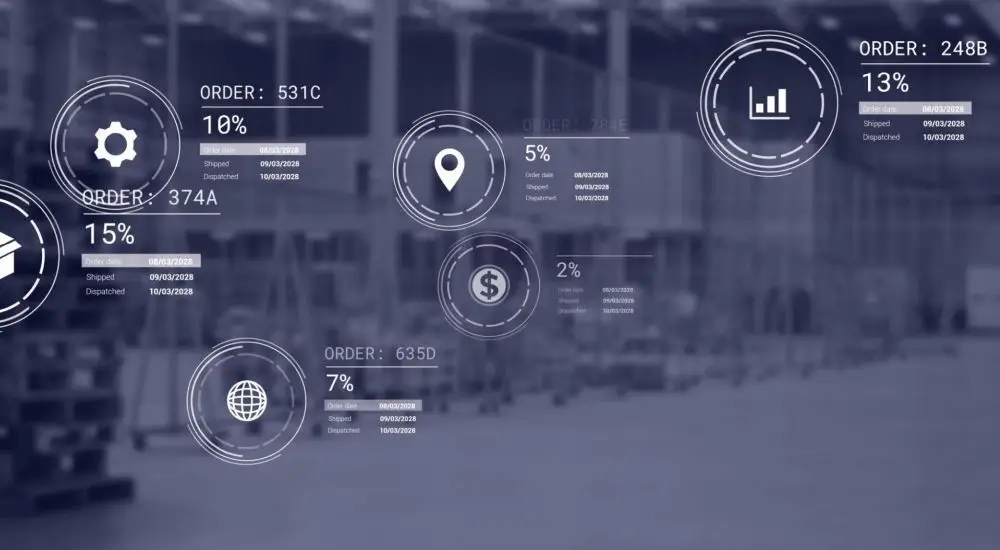
Following Manifest 2026, Identiv is highlighting five defining trends shaping the next stage of supply chain intelligence and reinforcing the growing importance of secure digital identity, real-time sensing, and interoperable IoT data across global logistics networks.
Manifest 2026, held February 9–11 at The Venetian in Las Vegas, is a major supply chain and logistics technology event that brings together shippers, logistics providers, technology companies, startups, and investors from across the end-to-end ecosystem.
For Ashley Burkle, Director, Sales and Business Development at Identiv, this year’s event confirmed that supply chain intelligence is no longer defined by stand-alone technologies. Instead, competitive advantage is increasingly shaped by how effectively organizations connect AI, automation, sensing, and digital identity across systems, facilities, and product lifecycles.
1. AI Needs Trusted Physical-World Data
Artificial intelligence is now embedded directly into transportation management, warehouse management, and visibility platforms. Routing engines recalculate shipment paths in real time, inventory systems adapt replenishment to current demand, and warehouse workflows are increasingly optimized through machine learning.
As these systems become more autonomous, their performance depends on the quality of the data coming from the physical world. Verified information on product identity, asset location, environmental condition, and chain of custody is becoming essential to intelligent decision-making.
This is where Identiv is strongly aligned with market demand. Through RAIN RFID inlays, BLE-enabled sensing solutions, NFC and HF technologies, and secure IoT-enabled identification, Identiv helps provide the trusted data foundation that AI systems need in order to operate with greater confidence and precision.
2. Robotics Are Becoming Part of Unified Operating Environments
Manifest 2026 also underscored the continued expansion of robotics across fulfillment and distribution environments. But the focus has moved beyond isolated deployments. The next phase is about integration across broader operational networks.
Enterprises are designing coordinated environments in which autonomous mobile robots, robotic picking systems, warehouse software, transportation schedules, and labor tools function together as part of one connected infrastructure.
That level of synchronization depends on reliable identification and data capture across facilities and workflows. Identiv’s technologies support this shift by helping products, assets, and packaging remain visible, traceable, and digitally connected across distributed supply chain operations.
3. Cold Chain Monitoring Is Moving Closer to the Product
In food, biologics, and pharmaceutical logistics, continuous environmental monitoring is becoming a core operational requirement rather than a separate compliance layer.
Real-time sensing is being used to monitor products across storage, transportation, and last-mile delivery. By linking temperature and condition data directly to specific products and shipments, organizations can improve traceability, strengthen audit readiness, and respond more quickly to exceptions.
Identiv is well positioned in this area through solutions that combine secure digital identity with RFID and BLE-based sensing capabilities, helping ensure that temperature and condition data remains linked to the correct item throughout the supply chain journey.
4. Interoperability Depends on Persistent Digital Identity
A central theme throughout Manifest 2026 was the need to reduce fragmentation across ERP, WMS, TMS, yard management, labor systems, and IoT platforms. Supply chain intelligence depends on data moving across these systems in a consistent and usable way.
Persistent digital identity is what makes this possible. Technologies such as UHF (RAIN), NFC/HF, and BLE enable products and assets to remain consistently identifiable across multiple platforms and lifecycle stages. This supports more accurate reconciliation, stronger visibility, and more effective automation.
By enabling products and assets to carry a trusted, platform-readable identity, Identiv supports the interoperability strategies that enterprises are prioritizing across modern supply chains.
5. Visibility and Asset Protection Have Become Strategic
Cargo theft, organized fraud, and shipment disruption continue to raise the stakes for supply chain operators. In response, organizations are investing in real-time location tracking, geofencing, tamper detection, and anomaly monitoring to reduce exposure and strengthen resilience.
Secure identification underpins these efforts. Persistent asset identity and real-time condition awareness support chain-of-custody documentation, compliance, insurance requirements, and operational control at the same time.
Identiv’s View of the Next Phase
The conclusions emerging from Manifest 2026 point to a broader shift: AI, robotics, IoT sensing, and interoperable platforms are being deployed as interconnected capabilities, and their success depends on accurate, trusted data traveling with goods at every stage.
That direction is closely aligned with Identiv’s role in the market. With technologies spanning RAIN RFID, BLE, NFC, HF RFID, and secure IoT identification, Identiv is helping organizations build the digital identity and sensing infrastructure needed to improve visibility, automate decisions, and protect assets across increasingly complex supply chains.
To discuss how secure digital identity and IoT sensing can strengthen your supply chain operations, contact the Identiv team.