RFID Moves Retail Anti-Theft from Exit Alarms to Item-Level Control


Retail anti-theft systems are evolving from isolated alarm functions into connected RFID infrastructures. By linking tags, inlays, readers, point-of-sale systems and inventory data, retailers can identify unpaid items while improving stock accuracy and operational visibility.
Retail Security Faces New Requirements
Self-checkout, omnichannel fulfilment and rising transaction volumes are changing the technical requirements for loss prevention. Conventional security tags can trigger an alarm at the store exit, but they do not necessarily identify the affected product or determine whether it was included in a completed transaction.
RFID adds a unique identity to each tagged item. This enables retailers to determine which product is leaving the store, whether it has been paid for and how the movement relates to current inventory records.
Anti-theft technology therefore becomes part of a connected retail process rather than a standalone security installation.
Hard Tags, Labels and RFID Inlays
Retail anti-theft systems can combine reusable hard tags, adhesive security labels, RFID inlays, exit antennas and software platforms.
Hard tags are commonly attached to garments or higher-value products. Adhesive labels can be integrated into product packaging and trigger an alarm when they pass through an EAS gate without prior deactivation.
RFID inlays combine a microchip, antenna and unique identifier. In addition to theft detection, this item identity can support inventory management, authentication and tracking.
Checkpoint Systems offers integrated retail solutions that combine labels, hardware and software across different store processes.
Exit Detection Becomes Item-Specific
Detection systems installed at store exits identify active security tags or RFID signals. Connected RFID architectures can go beyond a general alarm by identifying the individual item associated with the event.
When exit data is connected with point-of-sale and inventory systems, the system can distinguish between paid and unpaid products or between authorized and unauthorized movements.
For retailers, the technical benefit depends on the consistency of item data across tagging, checkout, inventory management and exit detection.
RFID Readers Validate Checkout Processes
RFID readers at the point of sale can capture several tagged products in a single reading process. This can accelerate checkout, reduce missed scans and validate transactions in real time.
The technology is particularly relevant for self-checkout areas, self-service applications and stores with high transaction volumes. Unpaid items can be identified automatically when RFID data is compared with the completed transaction.
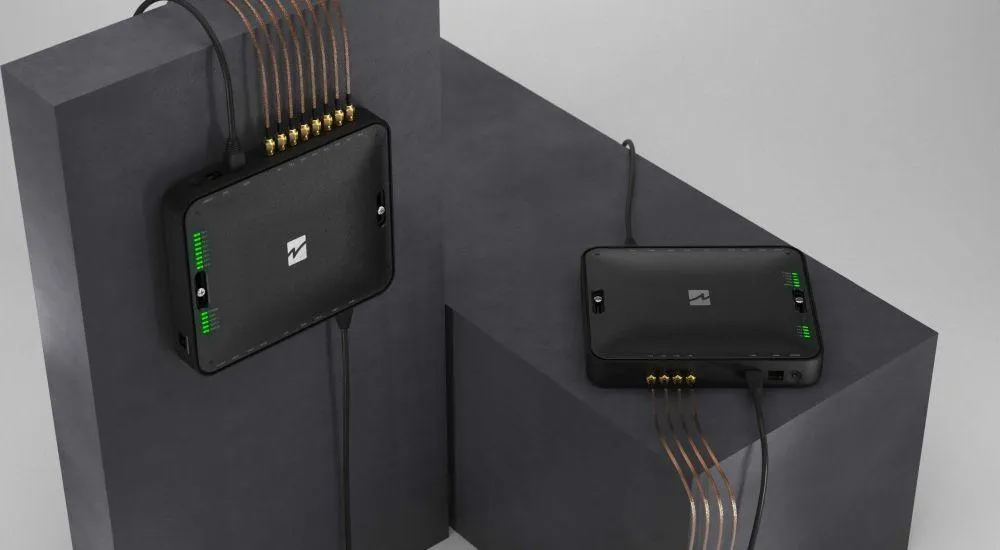
Checkpoint Systems presented the Readfinity Core all-in-one RFID reader at EuroShop 2026. The device combines RFID reading with embedded processing for item identification, transaction validation and inventory visibility.
Readfinity Core can be integrated into conventional checkouts, self-checkouts, self-service kiosks, click-and-collect stations and other in-store applications. Consolidating RFID functions in one device can reduce hardware complexity and support a consistent item-level data flow across several retail touchpoints.

Store Format Determines the Right Architecture
There is no universal anti-theft configuration. Fashion retailers may combine RFID labels with reusable hard tags, while grocery and FMCG environments may prioritize labels embedded directly into packaging.
Large retail stores with high traffic and self-checkout zones may require RFID-enabled POS systems, exit detection and connected analytics. Smaller stores may implement simpler combinations of tags, labels and detection gates.
Integration is a central selection criterion. Anti-theft devices must connect reliably with POS platforms, inventory systems and analytics software if security events are to become useful operational data.
From Loss Prevention to Retail Visibility
RFID extends anti-theft systems beyond alarm generation. The same item identity used for security can also support stock accuracy, automated checkout processes and inventory transparency.
For system integrators, the main challenge is to create a consistent architecture across tags, readers, store systems and software interfaces. For retailers, the value lies in combining merchandise protection with better visibility into product movements and inventory status.
Ready to connect loss prevention with item-level retail intelligence? Contact Checkpoint Systems to identify the right combination of RFID tags, readers and software for your store environment and integration requirements.