RFID Supports Sports Retailers During World Cup Merchandise Peaks

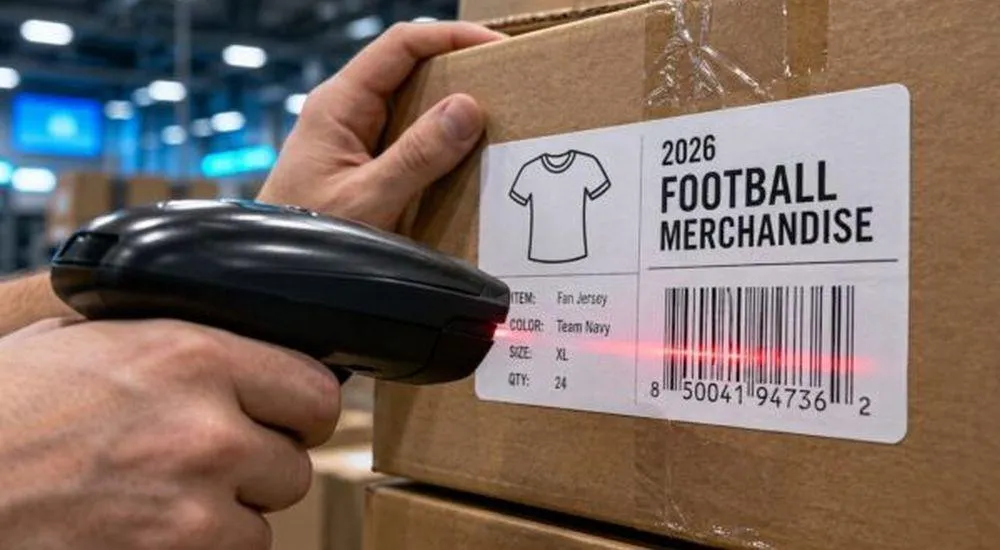
Two weeks into the FIFA World Cup 2026, football merchandise retailers are operating in an environment where demand can change within hours. Match results, player performances and knockout-stage momentum can rapidly alter demand for jerseys, children’s kits and related merchandise.
RFID provides item-level inventory data that supports faster replenishment, more reliable availability and coordinated operations across retail channels.
FIFA World Cup 2026 at a Glance
The FIFA World Cup is currently being hosted by Canada, Mexico and the United States. The tournament is the first World Cup to involve three host countries and 48 participating teams. A total of 104 matches are being played across 16 host cities between 11 June and 19 July 2026.
For retailers, this scale creates a distributed demand environment. Merchandise demand is influenced not only by sporting results, but also by the movement of fans between stadiums, fan zones, city-centre stores and digital channels.
Inventory Data for Volatile Merchandise Demand
World Cup retail demand is rarely stable. A decisive group-stage result or a player becoming the focus of public attention can turn a specific shirt into a high-demand product within a short period. At the same time, other products may remain on shelves, tying up space and working capital.
Inaccurate stock data increases the risk of missed sales. A retailer may show an item as available online although it is not on the sales floor, or store teams may discover low inventory only after a bestseller has already disappeared from the shelf.
Checkpoint Systems supports RFID-based retail operations by connecting tagged merchandise with inventory processes across the supply chain. RFID labels and readers enable item-level visibility without requiring staff to scan every product individually. This gives retail teams a more current basis for replenishment, stock transfers and availability decisions.
Faster Movement from Delivery to Sales Floor
During tournament peaks, logistics performance directly affects sales performance. If stock remains in unopened deliveries or is difficult to locate in the backroom, retailers lose valuable time during the highest-demand periods.
RFID enables bulk reading of tagged merchandise. Incoming deliveries can be checked more efficiently, while pick-and-pack orders, stock transfers and returns can be validated with less manual handling. This can accelerate the movement of high-demand jerseys and accessories from distribution centres and backrooms to the sales floor.
When RFID labels are applied at source, the same item identity can remain available across production, logistics, stores and digital sales channels. This creates a continuous data layer for traceability, inventory management and operational planning.
Store Operations Under Peak Footfall
Stadium stores, fan zones and city-centre football retailers can experience sharp footfall increases before and after matches. Checkout capacity, replenishment speed and product security must work reliably under these conditions.
RFID-enabled point-of-sale and self-checkout systems can read multiple tagged products simultaneously without line-of-sight barcode scanning. This can reduce transaction time and help retailers manage queues when large customer volumes enter the store within a short period.
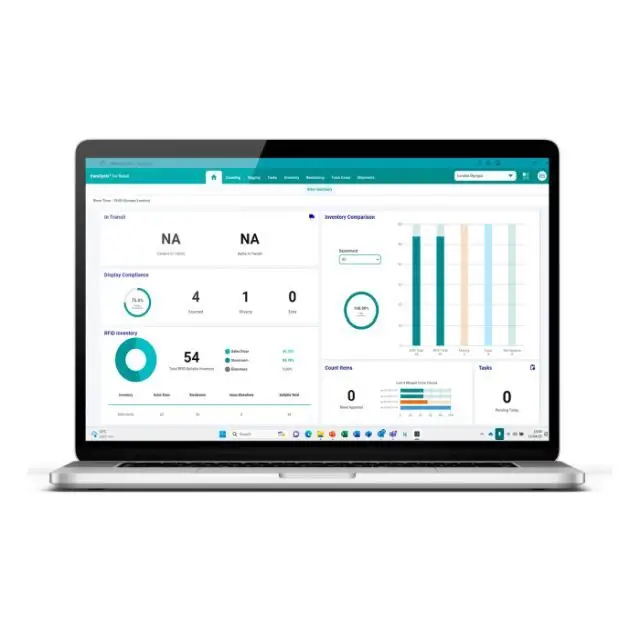

Checkpoint’s ItemOptix™ platform connects RFID data with product records and store processes. RFID handheld readers enable rapid inventory checks during the day, helping teams identify low-stock items and replenish merchandise before availability becomes a customer-facing issue.
Security and Omnichannel Availability
High visitor numbers and valuable team merchandise also increase loss-prevention requirements. Checkpoint’s SFERO™ point-of-exit solution is designed to identify whether RFID-tagged merchandise has been paid for before leaving the store, supporting security without adding manual exit checks.

RFID also helps retailers align physical and digital stock. When a product is shown as available online, its availability in a store must be reliable. Item-level data supports this connection and can help retail teams reallocate products between locations as demand changes.
For system integrators and retail operators, the relevance extends beyond football. The same RFID architecture can support any retail environment where high SKU turnover, short demand peaks and omnichannel fulfilment require accurate and operationally usable inventory data.
Contact Checkpoint Systems
Major demand peaks reveal where inventory, replenishment and store processes are disconnected. Checkpoint Systems provides RFID solutions combining labels, hardware, software and loss-prevention technology to create a shared operational view of merchandise across the retail supply chain.
Contact Checkpoint Systems to evaluate where item-level RFID data can improve stock accuracy, speed up replenishment and strengthen store execution.
Read more on: https://checkpointsystems.com/blog/rfid-sports-retail-world-cup-2026/