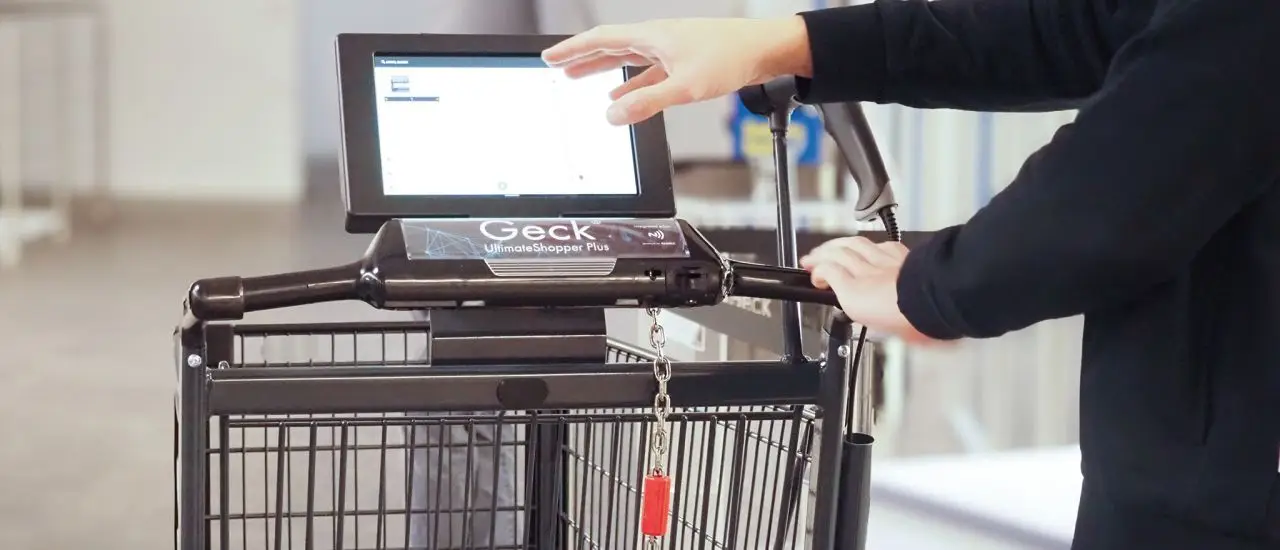

- The UltimateShopper Plus shopping cart integrates multiple technologies for real-time product scanning and verification.
- Weight sensors and computer vision combine to reduce theft and inventory inconsistencies while ensuring compliance with data protection regulations.
- Infrared positioning transmits real-time location data to enable personalized marketing inside stores.
- Contactless payment is embedded within the cart, allowing customers to complete purchases without unloading or additional scanning.
In recent years, retailers have been increasingly focusing on integrating new technologies to make shopping more efficient for customers and operators. One particularly interesting development is the high-tech shopping cart UltimateShopper Plus, which redefines the shopping experience by combining several advanced technologies.
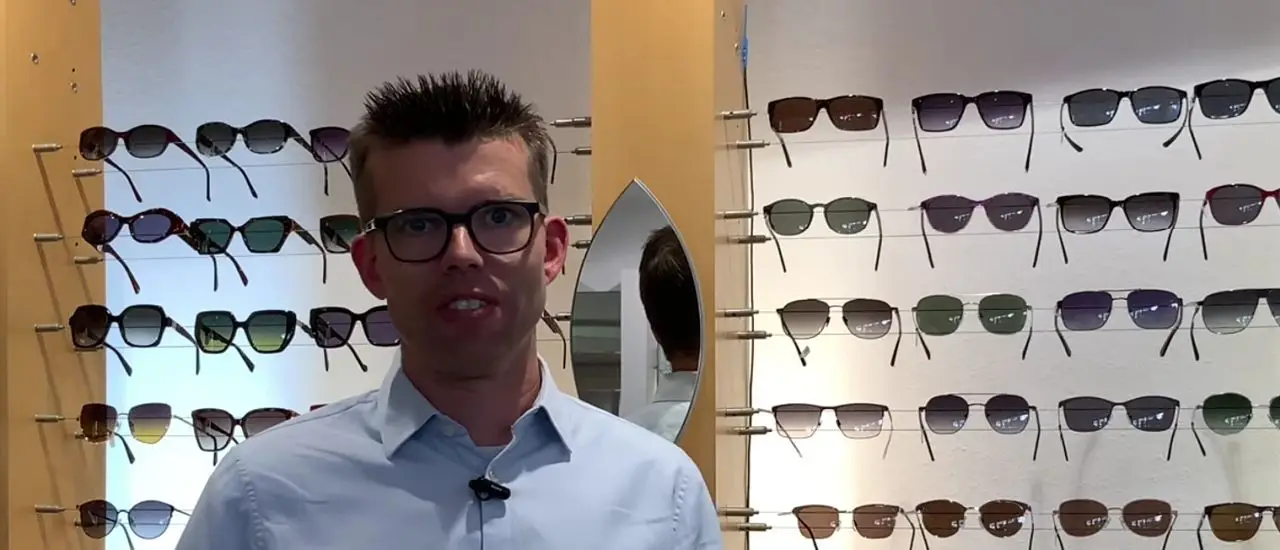
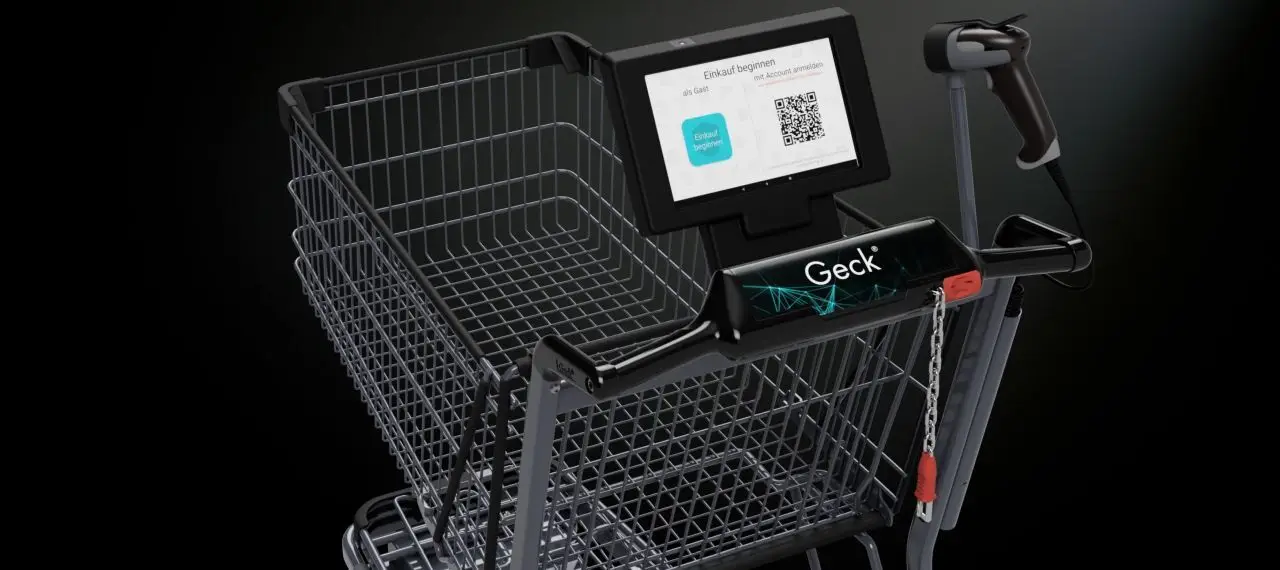
A shopping cart with barcode scanners, weighing technology, computer vision with camera, infrared transmitter for position determination, contactless payment at the POS, and an interactive pad that displays the purchase. Stefan Busenius, Senior Product Manager at J.D. Geck, explains the features of the UltimateShopper Plus.
Interactive shopping made easy
Customer scans products
Customers can scan items using a handheld scanner or directly at the shopping cart. The scanned items are immediately added to the product list, documenting the shopping process in real time. Customers have an overview of the scanned products at all times.
Scales offer double-checking
As soon as an item is scanned and placed in the shopping cart, the system checks the weight using load cells on the floor grid and compares it with the predefined target weight. If a deviation is detected, e.g., if one product has been exchanged for another, the customer receives a message to correct it. This function ensures that purchases are recorded correctly and reduces inventory differences.
Computer-aided image processing
Cameras and machine vision on the shopping cart enable additional visual inspection of the products in the shopping cart. The cameras are attached to the shopping cart and capture the products that are placed in the cart. The system compares the visually captured products with the scanned data. If there are any discrepancies, the customer is informed.
Computer vision does not replace complete product recognition, but serves as an additional security measure to ensure that no unpaid items remain in the shopping cart. The combination of weight detection and AI-supported analysis minimizes merchandise loss and meets GDPR requirements.
Stefan Busenius - Senior Product Manager
Infrared transmitters for position determination
Infrared transmitters are used to determine the position of the shopping cart in the store. These transmitters, installed on the ceiling of the store, continuously track the position of the shopping cart. When the customer scans a product and places it in the shopping cart, the position is determined in real time. This precise navigation enables personalized advertising or product recommendations that specifically target customers even before a purchase decision is made.
Contactless payment
Each retailer decides for themselves which payment methods to offer their customers. One option is to integrate the payment solution directly into the shopping cart. If the customer uses this solution, a location system ensures that payment is only made within a defined area. The entire process takes place without the need to remove goods from the cart or scan them again.
When leaving the store, customers pass through a specially equipped aisle where a gate automatically recognizes that the payment process has been completed. The gate opens without the need to present a receipt.
Stefan Busenius – Senior Product Manager
Interactive screen: the digital shopping assistant
The display on the high-tech shopping cart offers customers convenience. For example, customers can transfer their shopping list directly from their smartphone to the pad. The display also features a search mask to locate products on the sales floor. Customers can navigate directly to the product they want.
The permanently installed display leaves customers' hands free. In addition, personalized advertising can be displayed on digital signage screens depending on location and shopping cart. The retailer decides on the level of detail for product searches and individual recommendations.
Interview with Stefan Busenius
1. How do you assess the investment costs for the smart shopping cart in relation to the benefits?
Stefan Busenius: When it comes to the cost of such a system, there are certainly many parameters to consider. On the one hand, there is the investment in the system, but on the other hand, there are enormous savings in personnel and theft rates. There are also additional revenues from recommendations and retail media.
The investment costs for the high-tech shopping cart are in the low four-digit euro range. In addition to high-quality materials, the energy management system, and the electronics, the price also includes a complex software package and extensive control systems. All systems ensure that the cart remains operational throughout the entire opening hours.
Most retailers plan to replace only about 25 percent of their shopping carts initially in order to offer a better shopping experience to customers who want this service. At the same time, the aim is to reduce the workload for checkout staff.

2. What technical requirements are necessary for the shopping cart to operate?
Stefan Busenius: In order to use our technology, transmitters must be installed under the ceiling. In many cases, the necessary infrastructure is already in place. The transmitters do not require a separate data connection, only power. We offer various installation options, such as integration into existing three-phase power rails using an adapter or, as a more cost-effective solution, installation on a single-phase power rail.
We deliberately chose this technology because it is less sensitive to external interference.
Stefan Busenius - Senior Product Manager
Stefan Busenius: Shelving systems are often made of metal, which can interfere with the function of other positioning systems. Our system offers more precise positioning and operates with virtually no latency. Other positioning systems can often cause delays, meaning that the shopping cart has already passed the product before any interaction can take place.
Nevertheless, we are continuing to explore alternative positioning systems so that we can offer our customers alternatives in these technologies as well.