
- UHF (RAIN) is the primary technology for high-volume RFID deployments, while NFC remains important for secure, value-adding applications.
- SIVA combines RFID with BLE, sensors, and hybrid tags to broaden IoT functionality within an open ecosystem that protects customer data control.
- Product development is customer-centric and performance-driven, prioritizing real-world reliability over lower-cost alternatives.
- Market challenges include geopolitical tensions, localized overcapacity, and tariffs; SIVA’s strategy focuses on R&D, capacity expansion, and specialized niches.
This is Part 2 of the SIVA IoT success story. After SIVA’s bold pivot in 2013 and the rise of SIVA IoT to 33% of Group sales in just 10 years, we now focus on what’s shaping the next chapter: the market shift from NFC to UHF (RAIN) and how SIVA is adding new IoT capabilities on top of RFID.
In this interview, Arjun Aggarwal, VP Global Sales at SIVA IoT, explains why UHF wins on volume while NFC drives value creation through security and advanced features. He also shares how SIVA is combining RFID with BLE and sensors, what an open ecosystem means in practice, and the product-development mindset behind new labels and inlays, guided by one core lesson: real-world performance wins.
1. What technologies were the focus when SIVA IoT was founded – and how has that changed over the years?
Arjun Aggarwal: When SIVA IoT was founded, our focus was on exploration and discovery. We initially focused on NFC, but the market eventually shifted, and UHF took the leading role.
Today, we've found a balance: UHF is our primary technology for high-volume applications, while NFC is critical for value-creation. Features like encryption, dual-frequency capabilities, and large memory make NFC ideal for specialized applications.
2. How does SIVA combine RFID with other IoT technologies today?
Arjun Aggarwal: Today, we are working to integrate RFID with other IoT technologies by developing solutions like flexible BLE labels and hard-shell tags. Our approach is to create an open ecosystem, ensuring our customers aren't tied to a proprietary platform and can maintain control over their data. We are also continuously expanding our offerings with new sensor-based products and other IoT functionalities.
3. Which developments are you particularly proud of?
Arjun Aggarwal: While we're proud of our brand's success over the past 10 years, what truly makes us proud as a team is our active product development pipeline. We're excited to see these innovations come to fruition and solve real-world problems for our customers.
4. How has your team developed over the years?
Arjun Aggarwal: We started by building a solid foundation at our RFID facility, bringing in a strong Product Management team and skilled production colleagues. We also invested in new machinery and provided hands-on training. The addition of our R&D head brought immense RF expertise, which strengthened our product development, testing, and quality control.
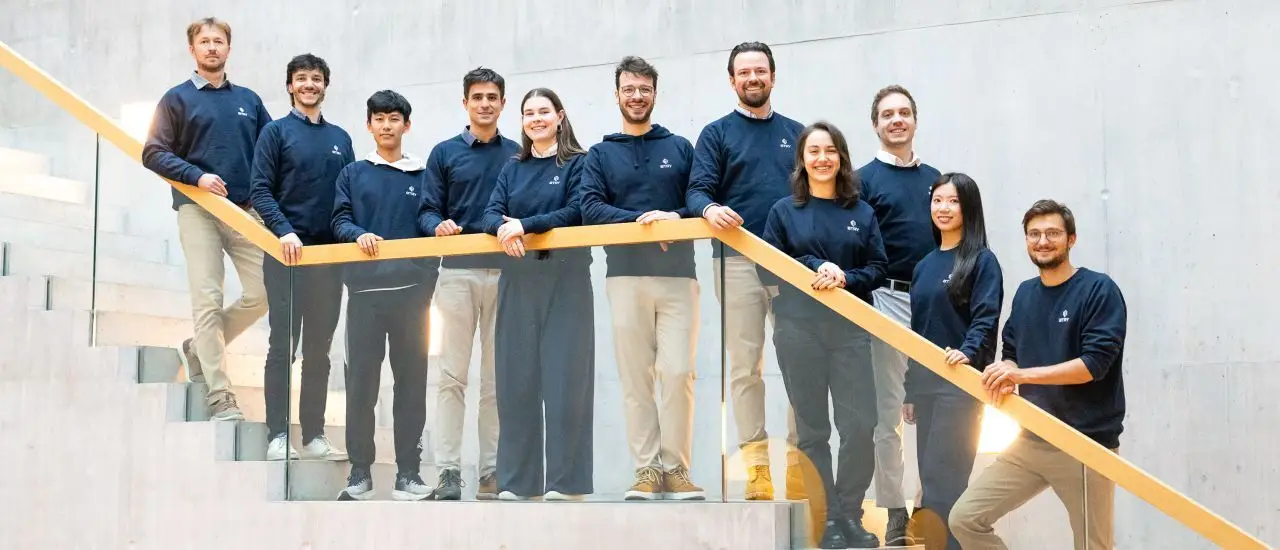
With these fundamentals in place, we expanded our sales and marketing efforts, beginning with our first European sales colleague in 2017 and growing to a team of approximately 75 colleagues today.
5. What is one key takeaway from your experience?
Arjun Aggarwal: The most important lesson I've learned is that real-world performance is all that matters. Customers will always choose the best-performing tag, even if it's slightly more expensive than a competitor's. Our product development is guided by this ethos, ensuring we consistently deliver reliable, high-quality products that our customers can count on.
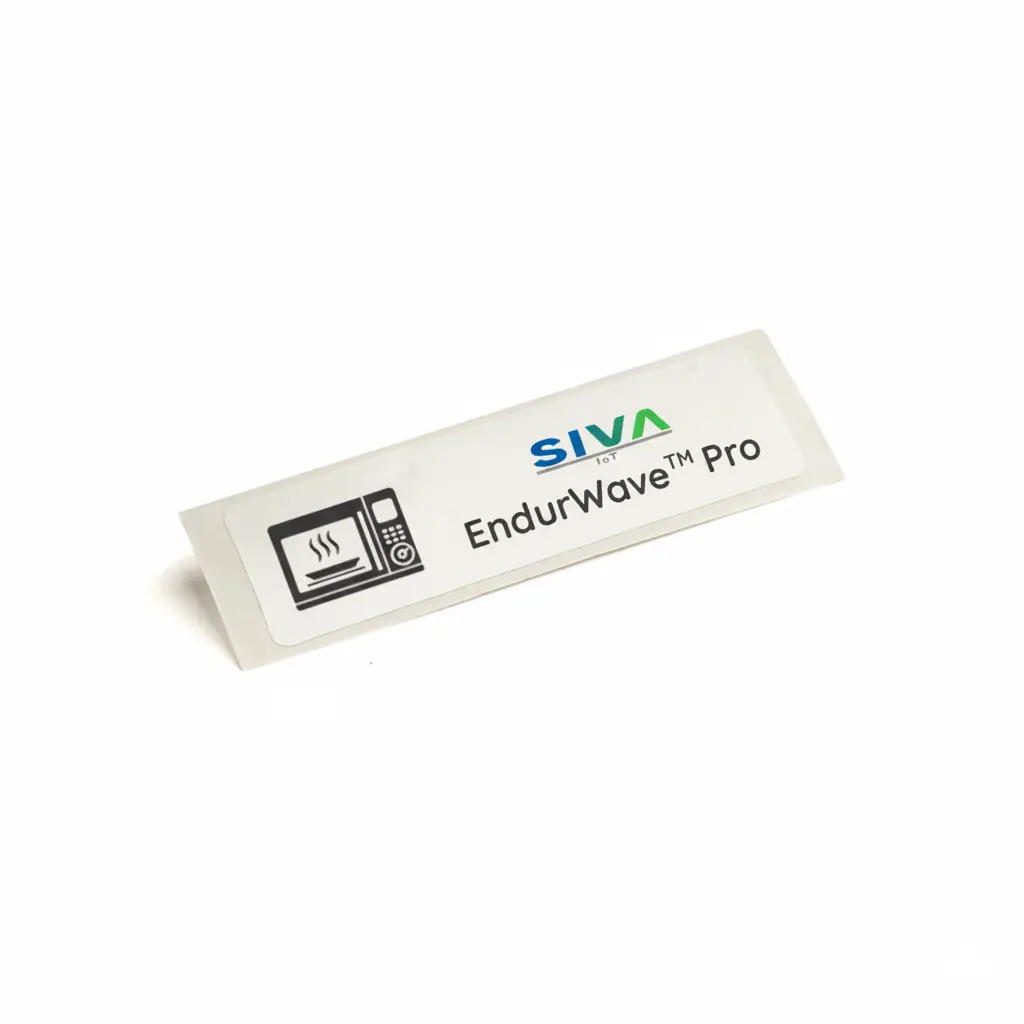
EndurWave™ Pro 7818 – Microwave-Safe RFID Label

A microwave-safe UHF RFID label enables reliable tracking of reusable food packaging across repeated use cycles.
6. What values and mindsets have shaped SIVA IoT since its founding?
Arjun Aggarwal: Our core philosophy is that our customers' success is our success. This isn't just about selling a product; it's about building long-term trust through honest advice and transparent communication.
We only make promises we can keep, and we've found that this transparency is what truly builds customer loyalty. For instance, we've sometimes advised a customer to choose a more affordable solution if it fully meets their needs. This approach has proven that being a reliable and trustworthy partner is the best way to ensure customers return to us.
7. How is SIVA IoT positioned in the market today?
Arjun Aggarwal: SIVA IoT is positioned as a leader in quality and reliability. Our vertical integration allows us to maintain strict quality control throughout the entire production process. We also pride ourselves on our practical, no-hype approach to marketing. Customers value our honest datasheets and appreciate that we provide straightforward, reliable information rather than inflated promises.
8. What role does product development play at SIVA IoT?
Arjun Aggarwal: Product development is arguably the most crucial function at SIVA IoT, and it is entirely customer-centric. We initiate the process by actively listening to our customers' pain points and identifying gaps in the market.
This meticulous approach, which can take months or even years, requires deep expertise in materials, adhesives, and toolmaking. The result is the creation of highly valuable and difficult-to-replicate solutions that provide a significant competitive advantage for our customers.
9. How has the RFID market changed over the last ten years – and what developments are shaping it today?
Arjun Aggarwal: Over the past decade, the RFID market has seen a dramatic increase in adoption. This growth has been driven by improvements in hardware and chip sensitivity, which have made the technology more affordable and accessible for deployment across a wider range of industries.
Today, the market is shaped by the continuous emergence of new use cases and applications as RFID proves its ability to solve increasingly complex challenges for businesses.
10. What is SIVA IoT's strategy for the coming years?
Arjun Aggarwal: Our core strategy is to stay relevant to our customers. This involves a multi-pronged approach. We plan to launch more R&D-driven products, upgrade to the latest chip technologies, and expand our sales network into new regions by bringing on new channel partners. We are also focused on increasing our production capacity to meet both new and unexpected market demand.
11. Where do you currently see the biggest hurdles for the RFID market?
Arjun Aggarwal: I see the biggest hurdles stemming from the increased market complexity post-Covid and the rise of geopolitical tensions. This has led to the emergence of localised production, creating overcapacity. The result is rising costs and fiercer competition, which is further exacerbated by protectionist measures like US tariffs. For SIVA IoT, our strategy to navigate this is to remain flexible and occupy clear, specialized niches in the market.
12. How does SIVA IoT stand out from competition?
Arjun Aggarwal: Our competitive advantage lies in our deep commitment to our customers. We believe in a partnership approach, where we provide the level of dedication we would want from our own suppliers. This commitment is evident in our swift response times, the high quality of our advisory services, and our customer-centric product development. These core principles are the hallmarks of SIVA IoT and are the foundation of our success.
13. Looking back, what would you do differently?
Arjun Aggarwal: Looking back, I’d take bolder calculated risks earlier in the company’s journey. There were opportunities where we were cautious, but taking some of those leaps sooner could have accelerated growth and market leadership. This taught me to balance prudence with proactive experimentation.