Item-Level Digital Identity for Liquid Products
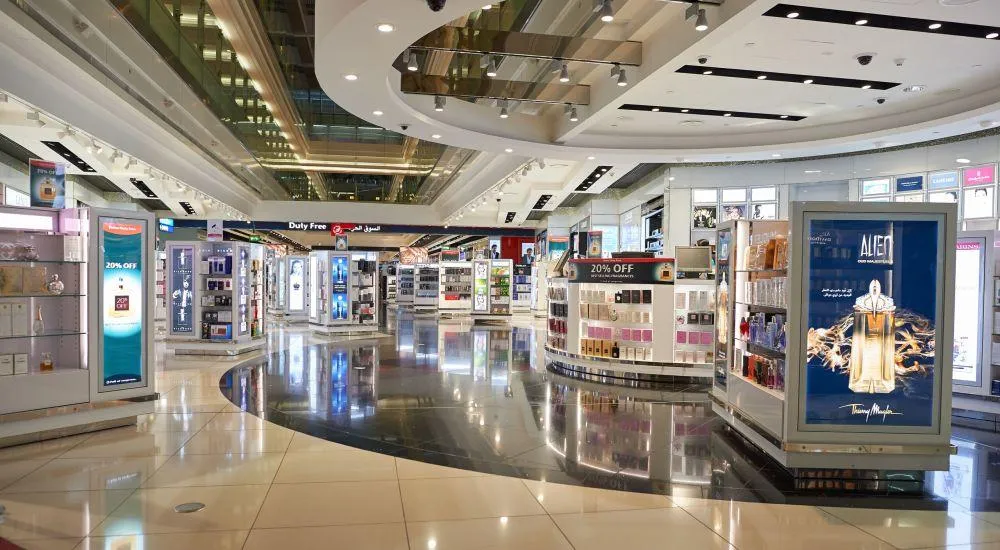
Checkpoint Systems’ BottleID™ digitalizes wine, Champagne, spirits, perfumes and other liquid-filled products with UHF RFID. The solution addresses a key technical challenge: liquids and glass can impair RFID performance and make reliable item-level identification difficult.
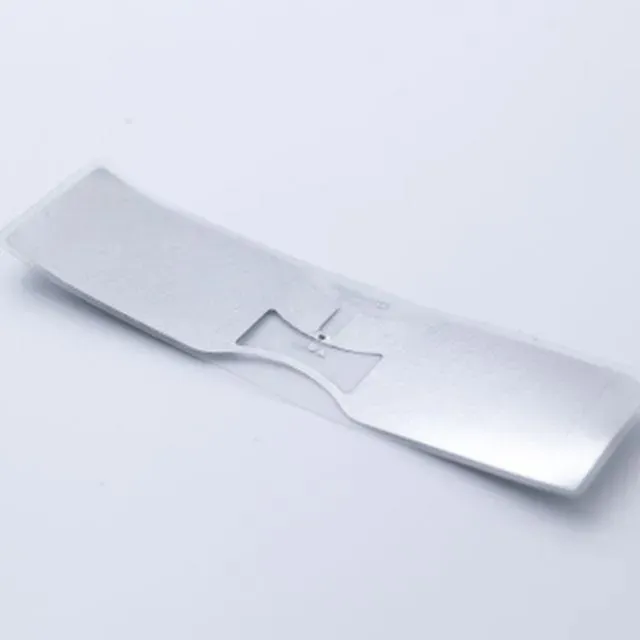
BottleID combines the specialized Sirocco RFID inlay, RFID data-capture hardware and software integration. Each bottle receives a unique identifier that can be linked to production and logistics information, creating traceability from production through distribution to retail.
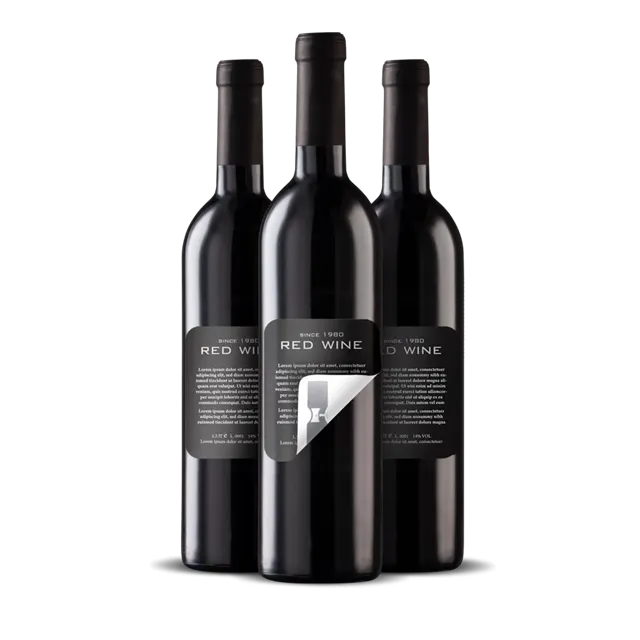
RFID Integrated into the Bottle Label
The RFID inlay can be integrated behind the standard back label or into a Designation of Origin label with its serial number.
Each bottle is tagged during production, its unique RFID identifier is captured on the production line and the corresponding logistics information is associated with that identity. This creates a digital link between the physical bottle and its individual data instead of relying only on SKU, case or batch identification.
Scalable RFID Capture for Production
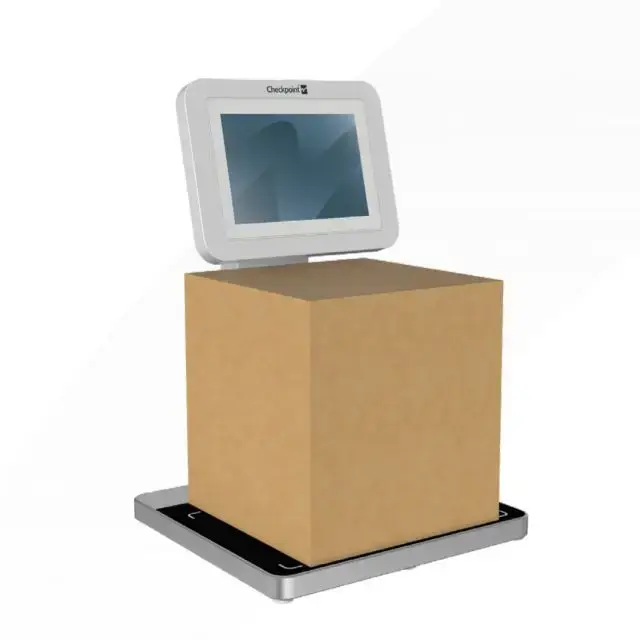
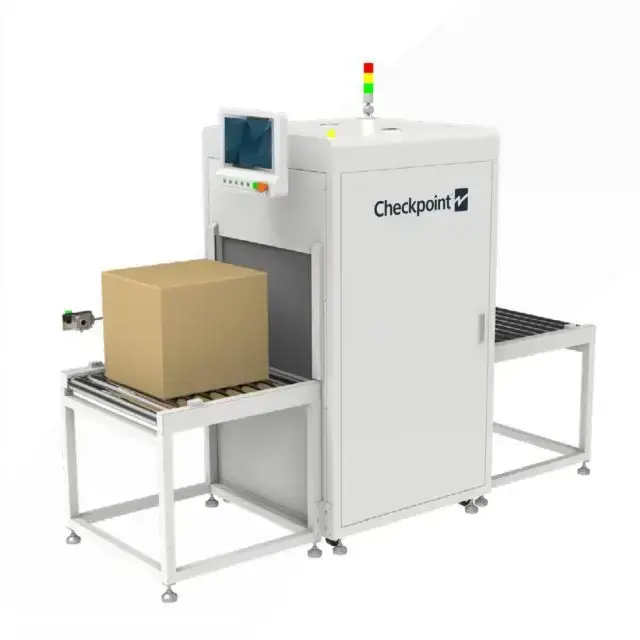
BottleID supports different production volumes through an RFID Table, RFID Cabinet and RFID Tunnel. The configurations address small, medium and large producers and allow automated RFID capture to be integrated according to production throughput and process requirements.
From Individual Bottles to Distribution Units
At distribution-center level, BottleID can associate the unique RFID identities of individual bottles with the identifier of the corresponding shipping box.
This makes it possible to see which bottles belong to a specific logistics unit and to compare physically captured items with expected contents when the required information is supplied by a barcode, WMS or ERP system. The underlying software also supports RFID device management, real-time data handling and integration with external traceability platforms.
Quality, Provenance and Brand Protection
BottleID enables production information to be associated with every individual bottle, supporting bottle-level quality tracking.
RFID identities can also be linked with Designation of Origin or tax-band serial numbers, connecting the physical bottle with provenance information. If a bottle appears in an unauthorized market or distribution channel, its unique identity can help trace its original distribution path and support investigations into grey-market diversion.
A Data Foundation for Digital Product Passports
The same item-level identification concept can also provide a technical foundation for future Digital Product Passport architectures.
BottleID gives each physical product a persistent digital identifier and enables this identifier to be connected with production, provenance, logistics and quality information. These are important building blocks for product-level digital records.
BottleID itself should not be presented as a complete DPP platform based on the available Checkpoint information. Instead, its RFID identity layer can connect the physical bottle with external product-data or traceability platforms, including DPP-related systems.
From Bottling Line to Digital Product Identity
BottleID connects specialized RFID tagging, automated capture and software integration from production through distribution.
For wine, Champagne, spirits, perfumes and other liquid products, it creates an item-level data layer for traceability, inventory visibility, quality tracking, provenance, brand protection and future digital product data applications.