
2026 Washington State Tolling Report Finds Smartphone Tolling Works Best as an Add-On

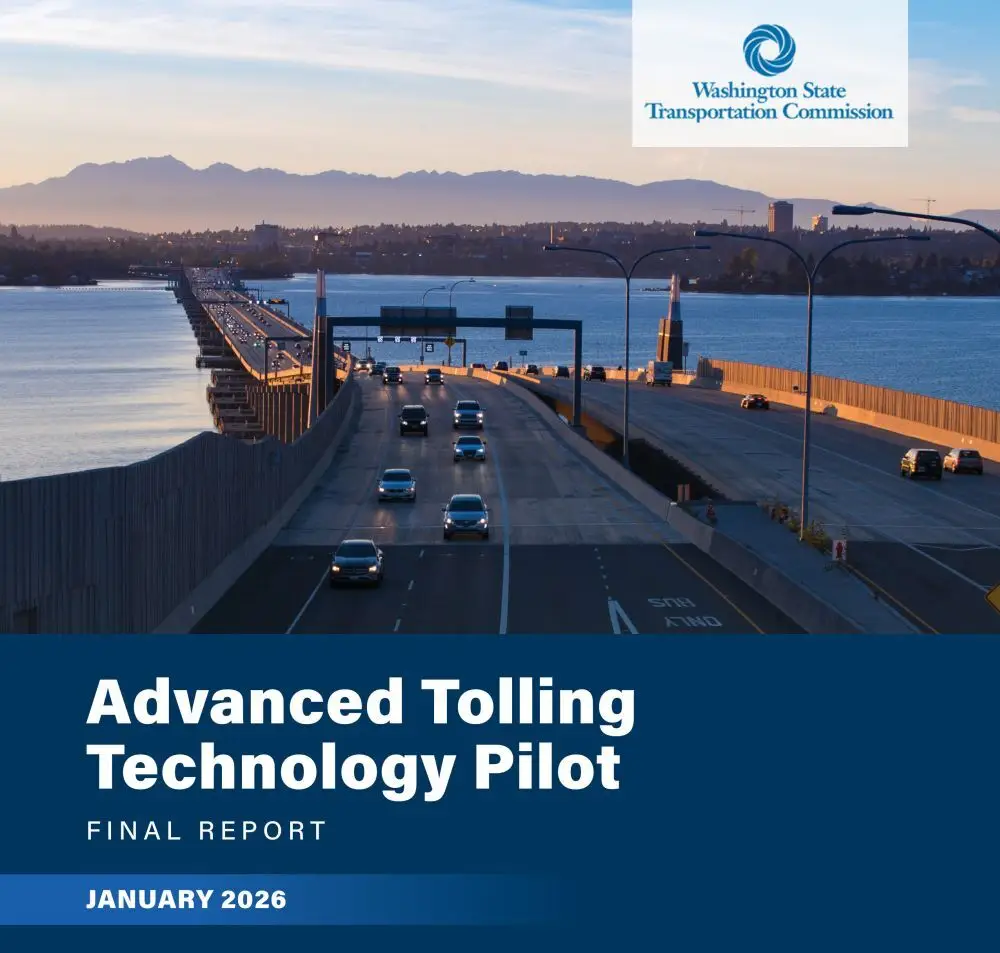
A new tolling technology report from the Washington State Transportation Commission in the United States concludes that smartphone-based tolling is a credible, customer-friendly addition to existing toll collection, delivering its strongest results when used as an enhancement to current tag and video systems, not as a direct replacement.
The report frames the current tolling “state of practice” as a blend of windshield RFID toll tags read at gantries and video tolling using license plate recognition, supported by manual review for exceptions. Against this baseline, the Commission assessed how mobile-based approaches could strengthen accuracy and reduce operational effort.

What smartphone-based tolling is
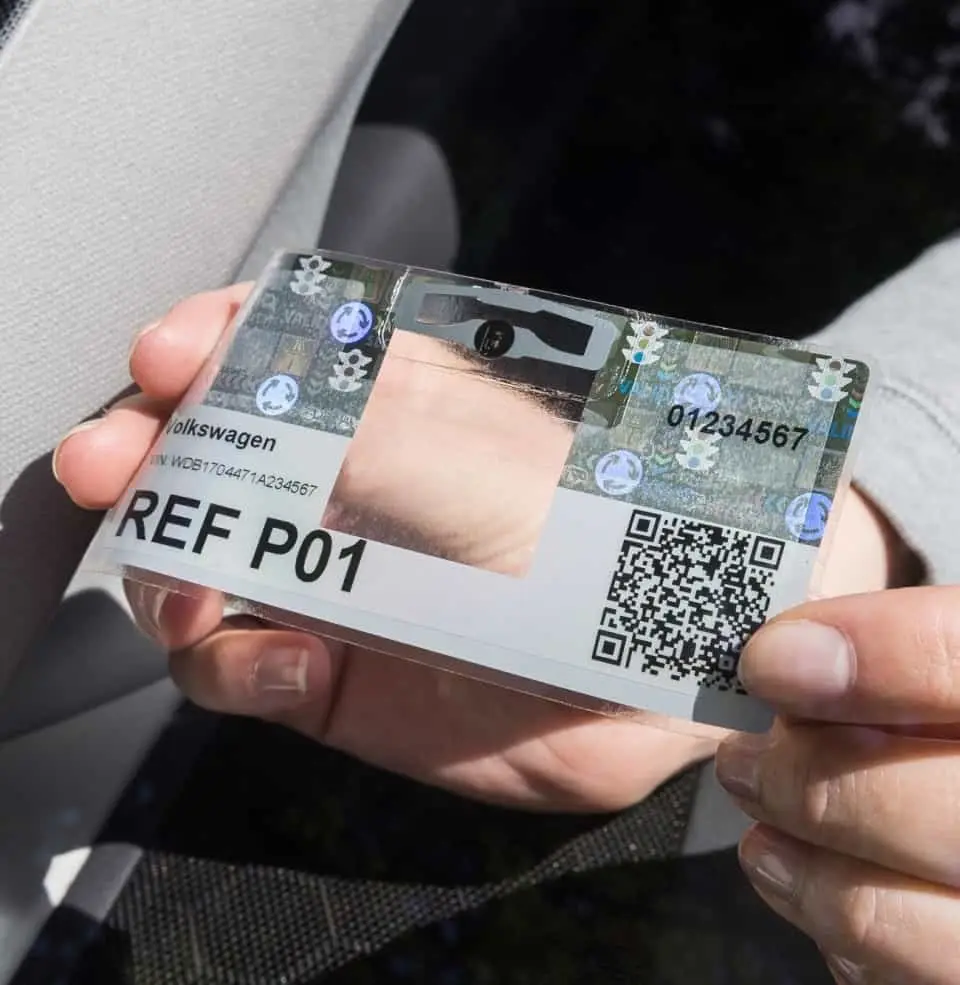
Smartphone-based tolling uses a mobile app as a virtual on-board unit. Instead of relying on a dedicated in-vehicle transponder, the app detects toll road usage and supports billing by identifying when a trip enters a tolled corridor or zone. This is typically enabled through GNSS location signals and motion sensing, and it performs best when the smartphone is paired to the vehicle via Bluetooth to ensure reliable vehicle identification.
Key pilot takeaway: pairing drives performance
The report’s pilot evaluation highlights a clear operational lesson: smartphone tolling works best when the system can confidently associate the phone with the correct vehicle. Bluetooth pairing significantly strengthens that link, while the absence of pairing increases mismatches due to real-world behavior, such as the enrolled phone not being present during a tolled trip.
Add choice, protect revenue continuity
A central conclusion is that smartphone tolling should be deployed to add customer choice and improve coverage, particularly for non-tag use cases, while protecting revenue continuity and service reliability. The report cautions that removing established collection components without extensive operational validation increases risk.
Customer acceptance is promising, with privacy considerations
Participant feedback indicates strong willingness to use app-based options when the value is clear. At the same time, the report notes that broader adoption requires transparent privacy safeguards, clear communication about what is collected, and strong user controls.
Future Tolling Technology Roadmap: the long-term direction
Looking beyond near-term improvements, the report outlines a roadmap in which tolling increasingly shifts from roadside hardware and dedicated tags toward in-vehicle connectivity.
Over time, V2X and 5G/6G are expected to enable tolling capabilities that can surpass today’s tag-based approaches. To prepare, the report recommends building a future-ready foundation focused on interoperability, including standardized interfaces, certification processes, security requirements, and business rules that support a multi-provider ecosystem.
Source: 2026 Tolling Technology Pilot Final Report, Washington State Transportation Commission.
What V2X and 5G/6G could change for tolling
V2X (Vehicle-to-Everything) is the umbrella for vehicle communications with infrastructure, networks, pedestrians, and other vehicles. In a tolling context, V2X could enable vehicles to securely broadcast or exchange signed trip and vehicle context data at defined points, supporting more reliable identification and automated transactions without relying solely on roadside readers or smartphone presence.
5G, and later 6G, adds the wide-area connectivity layer that can make these interactions more scalable and “always on,” with higher reliability, lower latency, and stronger support for secure device identity and network-managed services. In the long-term roadmap, the combination of V2X and 5G/6G points to tolling that becomes increasingly “native” to connected vehicles, while agencies shift focus to interoperability frameworks, certification, and back-office integration rather than dedicated transponder protocols.